
Related Articles
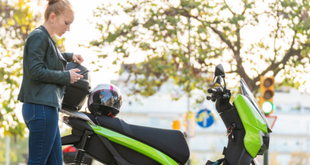


Electric bikes have become a practical choice for daily travel, exercise, commuting, and short trips. One of the most important parts of an electric bike is its battery. The battery provides the energy needed to power the motor, and its condition directly affects riding range and overall performance.
A good electric bike battery can last for several years when it is used and maintained properly. However, poor charging habits, extreme temperatures, heavy loads, and improper storage can reduce battery life over time. Learning how to take care of your battery can help you get more riding time from each charge and delay the need for an expensive replacement.
The good news is that extending electric bike battery life does not require complicated maintenance. A few simple habits can make a meaningful difference. This guide explains how to make an electric bike battery last longer, improve battery performance, and protect it during everyday use.
Understand Your Electric Bike Battery
Before changing your charging habits, it is helpful to understand what type of battery your electric bike uses. Most modern electric bikes use lithium ion batteries because they are relatively light, store a good amount of energy, and can be recharged many times.
Lithium ion batteries gradually lose some of their capacity as they go through charging and discharging cycles. This is normal. The goal of good battery care is not to stop this natural aging process but to slow it down.
The battery management system in an electric bike also plays an important role. It helps monitor factors such as voltage, temperature, and charging conditions. Even with this protection, your daily habits still matter.
Reading the battery instructions provided by the manufacturer is always a good starting point. Different batteries can have different charging requirements, storage recommendations, and temperature limits.
Avoid Completely Draining the Battery
One of the easiest ways to improve electric bike battery life is to avoid regularly draining the battery completely.
You do not need to wait until the battery reaches zero percent before charging it. In fact, frequent deep discharges can put additional stress on a lithium ion battery.
Try to recharge your electric bike before the battery becomes completely empty. If your usual trips consume only part of the battery, charging it afterward can be perfectly normal.
For everyday use, keeping the battery within a moderate charge range can help reduce unnecessary stress. You should still follow your manufacturer’s instructions because recommended charging limits can vary between battery systems.
If you accidentally drain the battery very low during a long ride, there is no need to panic. Simply recharge it using the correct charger rather than making deep discharge a regular habit.
Do Not Keep the Battery at Full Charge for Too Long
Many people assume that keeping an electric bike battery at 100 percent all the time is the best approach. However, lithium ion batteries generally experience more stress when they remain fully charged for long periods.
If you are planning a long ride tomorrow, charging the battery fully before your trip makes sense. However, if the bike will sit unused for several days or weeks, keeping the battery completely full may not be necessary.
For longer periods of storage, follow the manufacturer’s recommended charge level. Many lithium ion battery manufacturers recommend storing batteries at a partial charge rather than completely full or completely empty.
This is especially useful when you do not ride your electric bike regularly.
Use the Correct Charger
Using the correct charger is one of the most important rules for electric bike battery safety and longevity.
Always use the charger recommended by the electric bike or battery manufacturer. A charger may look similar to another charger while having different voltage or charging characteristics.
An incorrect charger can cause charging problems and may damage the battery or create a safety risk.
Avoid extremely cheap chargers from unknown sources simply because they cost less. A quality charger designed for your specific battery system is a better investment.
Check the charger, cable, and connector regularly. If you notice damaged wires, unusual heat, burning smells, or other signs of damage, stop using the charger and have it checked by a qualified professional.
Keep the Battery Cool
Temperature has a major effect on electric bike battery performance and lifespan.
Very high temperatures can accelerate battery aging. Leaving an electric bike in direct sunlight for long periods can cause the battery to become much hotter than the surrounding air.
During hot weather, park your electric bike in a cool and shaded location whenever possible. If you remove the battery from the bike, store it somewhere dry and away from direct sunlight.
Do not place the battery next to heaters, cooking equipment, or other sources of high heat.
Hot conditions are especially important to consider while charging. If the battery feels unusually hot after a ride, allow it to cool naturally before charging it, unless the manufacturer specifically provides different instructions.
Be Careful With Cold Weather
Cold temperatures can also affect electric bike battery performance.
You may notice reduced riding range during cold weather because batteries do not perform as efficiently at low temperatures. This does not necessarily mean that the battery has been permanently damaged.
If you ride in cold conditions, keep the battery protected from unnecessary exposure when possible. If the battery has become very cold, allow it to return to the temperature recommended by the manufacturer before charging.
Never try to heat a cold battery using direct heat such as a heater, stove, or hair dryer. Sudden or excessive heat can damage the battery and create a safety hazard.
Charge the Battery in a Safe Location
Where you charge your electric bike battery matters.
Choose a clean, dry, and well ventilated area. Keep the battery away from flammable materials such as paper, clothing, curtains, and chemicals.
Do not cover the charger or battery with blankets or other materials while charging. Proper ventilation helps prevent unwanted heat buildup.
Follow the manufacturer’s instructions regarding whether the battery should be charged while installed on the bike or removed from it.
It is also wise to inspect the battery before charging. If the battery casing is cracked, swollen, leaking, or unusually hot, do not continue using it. A damaged lithium ion battery should be assessed by a qualified professional.
Do Not Overload Your Electric Bike
The weight carried by your electric bike affects battery consumption.
A heavier load requires the motor to work harder, especially when riding uphill or accelerating from a stop. This means the battery can drain faster.
Check the maximum weight limit provided by your electric bike manufacturer. Avoid carrying unnecessary items and use appropriate bags or racks when transporting belongings.
Reducing unnecessary weight will not only improve battery range but can also make the bike easier and more comfortable to ride.
Use Pedal Assist Wisely
Your riding style can have a major effect on electric bike battery life.
Using the highest level of pedal assistance all the time can consume considerably more energy than using a lower assistance level. If your goal is to make the battery last longer between charges, use the lowest assistance level that comfortably supports your ride.
For example, you may use a higher assistance setting when climbing a steep hill and a lower setting on flat roads.
Pedaling more actively can also reduce the amount of work required from the motor. This can help you travel farther on the same battery charge.
Avoid Frequent Hard Acceleration
Rapid acceleration uses more energy than smooth and gradual acceleration.
If you frequently start at maximum assistance and accelerate quickly, the motor has to draw more power from the battery. Over an entire ride, this can significantly reduce your riding range.
Try to accelerate smoothly when traffic and road conditions allow. Gradual acceleration is easier on the battery and can also make your ride more comfortable.
Smooth riding is one of the simplest ways to improve electric bike battery efficiency without changing your equipment.
Maintain Proper Tire Pressure
Tire pressure is another factor that many electric bike owners overlook.
Underinflated tires create more rolling resistance. This means the motor needs to work harder to keep the bike moving.
Check your tire pressure regularly and keep it within the range recommended by the tire or bike manufacturer.
Do not simply inflate the tires as much as possible. Excessive pressure can reduce comfort and grip. The goal is to use the correct pressure for your particular tire and riding conditions.
Proper tire pressure can help improve efficiency, handling, and tire life at the same time.
Keep the Electric Bike Well Maintained
A well maintained electric bike generally requires less energy to move.
Keep the chain clean and properly lubricated if your bike uses a traditional chain system. Check the brakes to make sure they are not rubbing against the wheels. Inspect the wheels, tires, drivetrain, and other components regularly.
A brake that constantly rubs against the wheel can create additional resistance. Similarly, a poorly maintained drivetrain can make pedaling harder.
When the bike operates efficiently, the motor does not need to work unnecessarily hard, which can help you get more range from the battery.
Choose Your Riding Route Carefully
Your route can have a surprisingly large effect on electric bike battery consumption.
Steep hills require more motor power than flat roads. Rough surfaces can also increase rolling resistance and make riding less efficient.
If practical, choose routes that have smoother roads and moderate slopes. This does not mean avoiding every hill. Electric bikes are designed to handle hills when used correctly.
Planning your route can also help prevent unnecessary stops and starts. A smooth and steady ride can use less energy than a journey filled with frequent acceleration and braking.
Use Regenerative Braking Only When Your Bike Supports It
Some electric bikes use regenerative braking systems, although this feature is more common in electric cars and certain specialized electric bike designs.
Regenerative braking converts some of the energy normally lost during braking into electrical energy that can be returned to the battery.
If your electric bike has this feature, using it correctly may provide a small efficiency benefit. However, regenerative braking does not completely recharge the battery during normal riding.
Do not assume that braking can replace regular charging. The main purpose of regenerative braking is to recover a portion of energy that would otherwise be lost.
Store the Battery Properly
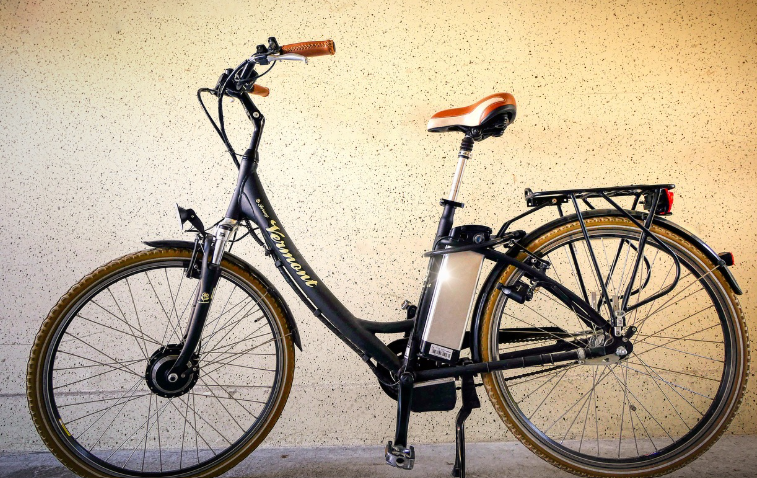
Proper storage is extremely important if you will not use your electric bike for an extended period.
Avoid storing the battery completely empty. A deeply discharged battery can become difficult or impossible to recharge if it remains in that condition for too long.
At the same time, long term storage at a full charge is not usually ideal for lithium ion batteries. Follow the manufacturer’s recommended storage charge level.
Store the battery in a cool, dry place away from direct sunlight and extreme temperatures.
If the bike will remain unused for several months, check the battery periodically according to the manufacturer’s instructions. Do not simply leave it forgotten for an entire season.
Keep Water Away From Battery Connections
Many electric bikes are designed to handle normal outdoor conditions, but that does not mean every battery connection is waterproof under all circumstances.
Avoid unnecessary exposure to heavy water, especially around charging ports and electrical connections. If your bike becomes wet after riding in the rain, allow it to dry properly before charging.
Never connect a charger to a wet charging port unless the manufacturer specifically states that it is safe to do so.
Keeping electrical connections clean and dry can help prevent charging problems and corrosion.
Avoid Unnecessary Short Trips With Maximum Assistance
Short trips can become inefficient when the motor is used at maximum assistance from the beginning.
Starting, accelerating, and climbing can require a noticeable amount of energy. If the trip is very short, repeated high power use can reduce efficiency.
For short and easy journeys, consider using a lower assistance setting and doing more of the work with your pedals.
This does not mean you should avoid using motor assistance. The purpose of an electric bike is to make cycling easier. The key is to use assistance according to the conditions instead of always choosing the highest setting.
Monitor Battery Performance
Pay attention to how your electric bike battery behaves over time.
If you normally get a certain amount of range from a full charge and suddenly notice a major reduction, investigate the possible cause.
Cold weather, tire pressure, heavier loads, stronger wind, hills, and riding style can all reduce range temporarily.
However, a battery that consistently loses capacity despite normal conditions may be aging.
Keep an eye on charging behavior as well. If the battery becomes unusually hot, develops physical damage, swells, produces an unusual smell, or behaves differently from normal, stop using it and seek professional assistance.
Do Not Modify the Battery Yourself
Electric bike batteries contain sophisticated cells and electrical components. Opening or modifying a battery without proper knowledge can be dangerous.
Do not attempt to replace individual battery cells yourself unless you have the required professional training and equipment.
Avoid homemade battery modifications, unauthorized chargers, and unapproved electrical changes.
A battery problem should be handled by a qualified technician who understands the specific battery system.
Trying to save money through unsafe repairs can result in much higher costs or serious injury.
How Often Should You Charge an Electric Bike Battery?
There is no single charging schedule that works for every rider.
If you use your electric bike every day, charging it after your rides may be convenient. If you use it only occasionally, you can charge it when needed while following the manufacturer’s recommended storage practices.
The most important point is to avoid making complete battery depletion a regular habit.
It is also useful to plan charging around your riding needs. If you know you have a long trip coming, make sure the battery has enough charge before leaving.
Signs That Your Electric Bike Battery May Be Aging
Even with excellent care, every battery eventually loses capacity.
Common signs of an aging electric bike battery can include noticeably shorter riding range, faster loss of charge, longer charging times, or unexpected changes in battery performance.
A small reduction in capacity over several years can be normal.
However, sudden changes should not automatically be blamed on age. Problems with the charger, electrical connections, tires, brakes, motor, or battery management system can also affect performance.
If you notice unusual behavior, have the system inspected before deciding that the battery needs replacement.
Best Habits for Longer Electric Bike Battery Life
If you want a simple routine, focus on these habits:
Keep the battery away from extreme heat.
Avoid regularly draining the battery completely.
Use the correct charger.
Do not leave the battery fully charged for long periods when the bike is not being used.
Store the battery at the recommended charge level.
Maintain proper tire pressure.
Avoid unnecessary heavy loads.
Use pedal assistance wisely.
Accelerate smoothly.
Keep the bike mechanically maintained.
Protect electrical connections from unnecessary moisture.
Follow the manufacturer’s charging and storage instructions.
These simple steps can help protect battery capacity and improve the overall efficiency of your electric bike.
Final Thoughts
Learning how to make an electric bike battery last longer is mainly about developing good everyday habits. You do not need complicated equipment or expensive upgrades to take better care of your battery.
Avoid extreme temperatures, use the correct charger, maintain the right tire pressure, reduce unnecessary weight, and use pedal assistance sensibly. Proper storage is also important, especially when the electric bike will not be used for an extended period.
Remember that battery aging is natural. No battery lasts forever, but careful use can help you get more useful years and more reliable rides from your electric bike battery.
The best approach is simple and consistent. Treat the battery as an important part of the bike rather than something that can be ignored. With proper charging, sensible riding, and regular maintenance, you can improve electric bike battery life and enjoy better performance for a longer time.