
Related Articles


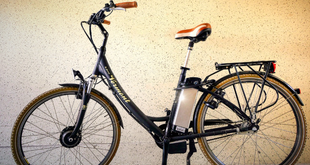
An electric bike battery is one of the most important parts of an electric bike. It stores the energy needed to power the motor and allows you to travel without depending entirely on your physical effort. For this reason, it can be frustrating when an electric bike battery suddenly stops charging.
A battery that does not charge does not always mean that it needs to be replaced. Sometimes the problem is caused by a simple connection issue, a damaged charging cable, an unsuitable power outlet, extreme temperature, or a charger problem. In other cases, the battery may have reached the end of its useful life or developed an internal fault.
Knowing what to check can help you understand the problem before spending money on a replacement. This guide explains what to do when an electric bike battery stops charging, how to identify common causes, and when professional assistance is necessary.
Check the Power Outlet First
Before checking the electric bike battery itself, make sure the power outlet is working properly. This is one of the simplest checks and can save you from unnecessary troubleshooting.
Plug another household device into the same outlet. If the device does not work, the outlet may be the problem. Try another reliable outlet and then connect your electric bike charger again.
If the charger works from another outlet, there may be nothing wrong with your electric bike battery.
It is also a good idea to check whether the outlet has a switch. In some homes, a wall switch controls certain electrical outlets. Make sure the switch is turned on before testing the charger.
Inspect the Battery Charger
The charger is another common reason an electric bike battery may stop charging. A charger can become damaged because of regular use, moisture, physical impact, overheating, or problems with the power cable.
Look carefully at the charger and cable. Check for visible cuts, exposed wires, cracks, bent connectors, or signs of burning.
Do not use a charger that has damaged wiring or a damaged plug. A faulty charger can be dangerous and may also damage the battery.
If your electric bike manufacturer provides specific information about charger lights, check the user manual. Some chargers have indicator lights that show whether the charger is receiving power and whether it is charging the battery.
Check the Charging Connection
A loose connection can prevent an electric bike battery from charging correctly. Carefully inspect the charging port on the battery and the connector on the charger.
Make sure the connector is fully inserted according to the manufacturer’s instructions. Do not force the plug into the charging port because this can damage the connector.
Look for dirt, dust, moisture, or other debris around the charging port. Even a small amount of contamination can sometimes interfere with the connection.
If the charging port looks damaged, avoid trying to repair it yourself. A professional technician should inspect it.
Make Sure the Battery Is Properly Seated
Some electric bikes use removable batteries. If your battery is removable, make sure it is properly installed in its mounting position.
A battery that is not fully seated may not make proper electrical contact with the bike or charger.
Remove the battery only if the manufacturer’s instructions allow it. Inspect the mounting area and contacts for visible dirt or damage. Then reinstall the battery carefully.
Never use excessive force when installing the battery. The battery should fit securely without requiring unusual pressure.
Check the Battery Temperature
Temperature can affect electric bike battery charging. Most modern electric bikes use lithium ion batteries, which have specific operating and charging temperature ranges.
If the battery has been exposed to very high heat or very cold conditions, charging may be temporarily restricted.
For example, leaving an electric bike in direct sunlight for several hours can make the battery extremely hot. Charging immediately in this condition may not be appropriate.
Similarly, a battery that has been stored in very cold conditions may need to return to a suitable indoor temperature before charging.
Move the battery to a dry location with a moderate temperature and allow it to return naturally to a normal temperature. Do not try to heat or cool the battery rapidly.
Look for a Battery Indicator
Many electric bike batteries have an indicator that shows the remaining charge. Some batteries use LED lights, while others display information on a screen.
Press the battery’s power or status button if your model has one.
If there is no response at all, the battery may be deeply discharged, disconnected, or experiencing an internal problem. However, the absence of lights does not automatically mean that the battery is completely dead.
Some batteries may enter a protective state when the voltage becomes too low or when the battery management system detects a problem.
Check Whether the Charger Light Changes
Many electric bike chargers have indicator lights that change when a battery is connected.
For example, a charger may show one light when it is connected to the wall and another light when it is actively charging. The exact behavior depends on the manufacturer and model.
Connect the charger according to the instructions and observe the indicator.
If the charger shows that it has power but does not recognize the battery, there could be a problem with the battery, charging port, connector, or charger.
Do not assume that one indicator pattern means the same thing for every electric bike. Always check the manual for your specific model.
Try Charging the Battery After a Short Rest
Sometimes an electric bike battery may temporarily stop charging because its protection system has been activated.
Modern lithium ion battery packs usually include a battery management system. This system monitors important conditions such as voltage, temperature, and current.
If the system detects an unsafe condition, it may stop charging or limit battery operation.
If there is no sign of physical damage, allow the battery to rest at a normal indoor temperature and try again using the original charger.
If the battery repeatedly refuses to charge, stop testing it and seek professional help.
Check for Moisture
Water and electricity do not mix safely. If your electric bike has recently been ridden in heavy rain or exposed to water, moisture may be affecting the charging connection.
Do not connect a wet battery to a charger.
Allow the exterior and charging area to dry naturally in a safe, dry location. Do not use a hair dryer, heater, open flame, or other high temperature method to dry the battery.
If water may have entered the battery housing or charging port, professional inspection is recommended.
An electric bike battery should never be opened simply because it has stopped charging.
Do Not Open the Battery Pack
One of the most important safety rules is to avoid opening an electric bike battery yourself.
Lithium ion battery packs contain multiple cells and electrical components. A battery can store a significant amount of energy even when it is not connected to the bike.
Opening the battery without proper training can cause short circuits, electrical shock, burns, or fire.
If you believe there is an internal battery problem, contact the manufacturer, an authorized service center, or a qualified electric bike technician.
A professional can test the battery safely and determine whether the problem is related to the cells, battery management system, wiring, or charging circuit.
Check the Charger Compatibility
Using the wrong charger can cause charging problems and may create a safety risk.
Electric bike batteries are designed to work with specific charging systems. Voltage, connector type, charging characteristics, and other specifications must be compatible.
Do not assume that two chargers are safe to interchange simply because their connectors look similar.
The safest option is normally to use the charger supplied by the manufacturer or an approved replacement that is specifically designed for your battery.
If you recently purchased a replacement charger, check its specifications against the requirements listed by your electric bike manufacturer.
Consider the Age of the Battery
Electric bike batteries do not last forever. Lithium ion batteries gradually lose capacity as they go through charging and discharging cycles.
An older battery may still turn on but have significantly reduced performance. In some cases, an aging battery may eventually develop a problem that prevents normal charging.
If your battery has been used for several years and has already experienced noticeably shorter riding range, slower charging, or unexpected power loss, its age may be an important factor.
Battery life varies depending on the battery design, riding conditions, charging habits, storage conditions, temperature, and overall use.
A professional battery test can help determine whether replacement is necessary.
Watch for Signs of Battery Damage
Physical changes to an electric bike battery should be taken seriously.
Stop using and charging the battery if you notice swelling, cracking, leaking, unusual odor, smoke, excessive heat, or other obvious signs of damage.
Do not attempt to repair a visibly damaged lithium ion battery yourself.
Move away from the battery if it is producing smoke or showing signs of fire. Follow local emergency guidance and contact the appropriate emergency service if necessary.
A damaged battery should be handled by professionals who are trained to deal with lithium battery systems.
Check the Electric Bike Manual
Your electric bike manual can provide model specific troubleshooting information.
Manufacturers may use different charging systems, battery indicators, connectors, and error codes. The manual may explain what particular lights or messages mean.
Look for sections covering battery charging, charger indicators, battery errors, storage, and troubleshooting.
If your electric bike has an error code on its display, write it down. This information can be useful when contacting the manufacturer or technician.
Check the Battery Contacts
For removable batteries, inspect the visible electrical contacts if they can be safely accessed according to the manufacturer’s instructions.
Dirt or oxidation on the contacts can sometimes interfere with electrical communication.
Do not scrape or aggressively clean battery contacts. If cleaning is permitted by the manufacturer, follow the recommended procedure.
If the contacts appear burnt, badly corroded, bent, or damaged, professional inspection is the safest choice.
Consider Whether the Battery Was Fully Discharged
A battery that has been left empty for a long time may develop charging problems.
Lithium ion batteries generally perform best when they are managed properly rather than repeatedly being left completely empty for extended periods.
If you stored the battery at a very low charge for a long time, it may have reached a condition where normal charging is no longer possible.
Do not try random charging methods or attempt to bypass the battery management system. A qualified technician should evaluate a battery that will not accept a charge after extended storage.
Test With a Known Good Charger
If you have access to an approved charger that is specifically compatible with the same battery model, testing with it can help identify whether the original charger is the problem.
However, never use an unknown charger simply because its connector fits.
The charger must have the correct specifications and be approved for the battery.
If the battery charges with a properly compatible replacement charger, the original charger may need to be replaced.
If neither charger works, the battery or charging connection may need professional testing.
Avoid Repeatedly Plugging and Unplugging
When a battery refuses to charge, repeatedly connecting and disconnecting the charger is unlikely to solve an underlying electrical problem.
Instead, perform a careful inspection.
Check the outlet, charger, connection, battery temperature, battery seating, and visible condition. If everything appears normal but charging still does not begin, stop troubleshooting and seek professional advice.
This approach is safer and can prevent accidental damage.
When Should You Replace an Electric Bike Battery?
Battery replacement may be necessary when the battery has reached the end of its service life or has a confirmed internal fault.
Some signs that may indicate replacement include a major reduction in riding range, repeated charging failures, severe capacity loss, physical swelling, or a professional diagnosis of damaged cells.
Do not replace a battery based only on one failed charging attempt.
First determine whether the problem is actually caused by the battery. A faulty charger or damaged charging port can create very similar symptoms.
When replacement is necessary, choose a battery that is specifically compatible with your electric bike.
How to Prevent Electric Bike Battery Charging Problems
Good battery care can reduce the risk of charging problems.
Store the battery according to the manufacturer’s recommendations. Keep it in a dry location away from extreme temperatures.
Use the correct charger and avoid unapproved charging equipment.
Keep the charging area clean and dry.
Do not leave a damaged battery connected to a charger.
Avoid exposing the battery to unnecessary heat.
If the battery is removable, handle it carefully when taking it out or installing it.
Following these simple habits can help maintain electric bike battery performance for longer.
Common Mistakes to Avoid
When an electric bike battery stops charging, people sometimes make the problem worse by trying unsafe solutions.
One common mistake is using a charger with unknown specifications. Another is opening the battery case and attempting to replace individual cells without proper equipment.
Some people also try to heat a cold battery quickly or cool an overheated battery with extreme methods.
These approaches can create serious safety risks.
Another mistake is continuing to charge a battery that is swollen, leaking, smoking, or unusually hot.
Safety should always come before saving the cost of a repair.
When to Contact a Professional
You should contact a qualified technician when basic checks do not solve the charging problem.
Professional assistance is especially important if the battery is physically damaged, the charging port is damaged, the battery becomes unusually hot, an error code appears, or the battery repeatedly refuses to charge.
A technician can use appropriate testing equipment to check battery voltage, charger output, connections, and other components.
If the battery needs replacement, professional advice can also help you select a compatible model.
Final Thoughts
When an electric bike battery stops charging, there is no need to immediately assume that the battery is completely dead. The problem may come from the power outlet, charger, charging connection, battery temperature, battery seating, or another simple issue.
Start with basic and safe checks. Confirm that the outlet works, inspect the charger, check the charging connection, make sure the battery is installed correctly, and allow the battery to return to a normal temperature if it has been exposed to extreme conditions.
Never open a lithium ion battery pack or attempt an unsafe repair. If you notice swelling, smoke, leaking, unusual heat, or serious physical damage, stop using the battery and seek professional assistance.
With proper charging habits, careful storage, and regular inspection, an electric bike battery can provide reliable service for a long time. Understanding what to do when an electric bike battery stops charging can help you troubleshoot minor issues safely while recognizing the situations that require expert attention.
The most important rule is simple: when you are unsure about the condition of the battery, choose safety over experimentation.