
Related Articles


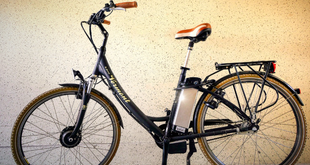
An electric bike battery is one of the most important parts of an electric bike. It provides the energy needed to run the motor and helps you travel longer distances with less effort. Because of its importance, many electric bike owners wonder how often they should check the battery and what exactly they should look for during a battery inspection.
Knowing how often should you check an electric bike battery can help you identify small problems before they become expensive repairs. A regular battery check can also improve safety, maintain battery performance, and help extend the useful life of the battery.
The good news is that checking an electric bike battery does not always require special tools or technical knowledge. Most basic inspections can be done at home in a few minutes. The key is to make battery inspection a regular part of your electric bike maintenance routine.
Why Regular Electric Bike Battery Checks Matter
An electric bike battery can gradually change as it is used. Its charging performance, range, temperature, and physical condition may be different after several months of regular use compared with when the battery was new.
Regular checks allow you to notice these changes early.
For example, you may discover that the battery is taking longer to charge, becoming unusually warm, losing charge faster than normal, or showing visible damage. These signs should not be ignored because they can indicate a battery or charging problem.
A simple inspection can also help you make sure that the battery is installed correctly and that its connection with the bike is secure.
Regular checks are especially important if you use your electric bike every day. Daily riders put more charging cycles and physical stress on their batteries, so they may need to pay closer attention to battery condition.
How Often Should You Check an Electric Bike Battery?
For most electric bike owners, a basic battery inspection should be done at least once a week if the bike is used regularly.
A weekly check does not need to be complicated. You can look at the battery, check for visible damage, inspect the connection points, and pay attention to changes in performance.
If you ride your electric bike only occasionally, checking the battery before and after longer rides is a good habit.
There are also situations when you should check the battery more frequently. Daily riders may want to make a quick visual inspection every few days. A more detailed inspection can be performed once a week or every couple of weeks.
The battery should also be checked whenever you notice something unusual, such as reduced range, unexpected power loss, unusual heat, swelling, strange smells, or charging problems.
A Simple Weekly Battery Inspection
A weekly electric bike battery inspection can take only a few minutes.
Start by looking at the outside of the battery. Check for cracks, dents, loose parts, or other signs of physical damage. The battery housing should normally look clean and intact.
Next, check the battery mounting area. Make sure the battery is sitting securely and does not move excessively while the bike is stationary.
Look at the electrical contacts and connection points. They should be clean and free from dirt or corrosion. Avoid touching electrical contacts with wet hands.
You should also check the charging port and charger connection. Make sure there is no visible damage and that the connector fits properly.
Finally, think about how the battery has been performing. Has the riding range changed significantly? Does the battery take longer to charge? Does the bike lose power unexpectedly?
These simple observations can tell you a lot about battery health.
Check the Battery Before Long Rides
A regular weekly inspection is useful, but you should also check the battery before a long ride.
Long trips place greater demands on an electric bike battery. If the battery has a problem, you may discover it when you are far away from home.
Before a long trip, check the battery charge level and make sure the battery is properly attached to the bike.
Look for visible damage and make sure the battery does not appear swollen or distorted. Check the charger beforehand if you plan to charge the battery during your trip.
It is also useful to consider the expected riding conditions. Cold temperatures, strong winds, hills, heavy loads, and high speed can all affect how quickly the battery is used.
Starting a long trip with a properly checked battery can reduce the chance of unexpected problems.
Check the Battery After Riding in Wet Conditions
Water and electricity require special attention. Many electric bikes are designed to handle normal outdoor conditions, but that does not mean the battery should be exposed to unnecessary moisture.
If you ride in rain or through wet conditions, inspect the battery after the ride.
Look for visible moisture around the battery housing and connection areas. If the battery is removable, follow the manufacturer’s instructions before removing it.
Allow wet areas to dry naturally and keep the battery away from unnecessary moisture during storage.
Never use a damaged battery that appears to have water inside it. If you suspect that water has entered the battery, contact the manufacturer or a qualified technician for advice.
Regular inspection is particularly important for riders who frequently use their electric bikes in rainy weather.
Check the Battery During Hot Weather
High temperatures can affect electric bike battery performance. Extreme heat can place additional stress on battery cells and other components.
During hot weather, pay attention to how warm the battery becomes while charging or riding.
A battery can become warm during normal use, but unusually high temperatures should not be ignored. If the battery becomes extremely hot, stop using it and allow it to cool in a safe location.
Avoid leaving an electric bike battery in direct sunlight for long periods. A closed vehicle can become extremely hot, so storing a battery inside a hot car should also be avoided.
During periods of very hot weather, checking the battery more frequently is a sensible precaution.
Check the Battery During Cold Weather
Cold temperatures can temporarily reduce battery performance. You may notice shorter riding range or slower performance when the battery is very cold.
This does not necessarily mean that the battery is damaged.
During cold weather, keep the battery according to the manufacturer’s storage recommendations. If the battery is removable, avoid leaving it outside in freezing conditions for long periods.
Before charging a very cold battery, allow it to return to an appropriate temperature according to the manufacturer’s instructions.
A quick battery inspection during winter can help you distinguish normal temperature related performance changes from actual battery problems.
Signs That Your Electric Bike Battery Needs Attention
Knowing how often to check an electric bike battery is useful, but knowing what to look for is even more important.
One common warning sign is a sudden reduction in riding range. Batteries naturally lose some capacity as they age, but a sudden and significant change may indicate a problem.
Another sign is unusual charging behavior. If the battery takes much longer than normal to charge or does not seem to charge properly, inspect the charger, charging port, and battery.
Unexpected power loss is another warning sign. If the bike suddenly loses assistance even though the battery shows a reasonable charge level, the battery or another electrical component may need attention.
Physical changes are especially important. A swollen, cracked, leaking, or severely damaged battery should not be used.
You should also take unusual smells or excessive heat seriously.

How to Check Battery Connections
Battery connections are an important part of an electric bike battery inspection.
A removable battery should sit firmly in its mounting system. If it moves excessively, the mounting mechanism may need attention.
Check the connection area for dirt or visible corrosion. A dirty connection can sometimes affect electrical contact.
Do not use water or household cleaning products directly on electrical contacts. Follow the manufacturer’s cleaning instructions.
If the connection looks damaged or the battery does not fit correctly, do not force it into position. A qualified technician can inspect the mounting system and connections safely.
How Often Should You Check the Battery Charge Level?
Checking the charge level is different from performing a full battery inspection.
You can check the battery charge level before every ride. This is especially important if you are planning a long trip.
There is no need to fully charge the battery before every short ride if the available charge is already enough for your journey. The best charging routine depends on the battery type, electric bike system, and manufacturer’s recommendations.
Avoid making charging decisions based only on a fixed percentage if your manufacturer provides different instructions.
The important point is to understand your typical riding range and keep enough charge for the journey you plan to make.
Monthly Electric Bike Battery Inspection
In addition to weekly checks, a more detailed monthly inspection can be useful.
During a monthly inspection, examine the entire battery housing carefully. Look for small cracks, loose components, damaged labels, or changes in the battery shape.
Inspect the battery mounting system and electrical connection areas.
Check the charger and charging cable as well. Look for cuts, damaged insulation, bent connectors, or other visible problems.
Think about battery performance during the previous month. Has the range changed gradually? Are you charging more frequently? Is the battery behaving differently than before?
Keeping simple notes about battery performance can make these changes easier to notice.
What About Older Electric Bike Batteries?
Older batteries deserve extra attention.
Battery capacity naturally decreases over time and with repeated use. The exact lifespan depends on factors such as battery chemistry, charging habits, temperature, riding conditions, storage, and overall quality.
As a battery becomes older, you may notice that the distance available from a full charge gradually decreases.
This does not automatically mean that the battery needs immediate replacement.
However, older batteries should be monitored more carefully. If performance changes quickly or physical warning signs appear, professional inspection may be necessary.
Instead of waiting until an old battery completely stops working, regular checks can help you recognize when its performance is declining.
How Storage Affects Battery Checks
Battery inspection is also important when an electric bike is not being used.
If you plan to store your electric bike for several weeks or months, check the battery before storage.
Store it according to the manufacturer’s recommendations. The storage location should generally be dry and protected from extreme temperatures.
Do not simply leave the battery unused for a very long period without checking it.
During long storage, periodically inspect the battery and follow the recommended charging instructions from the manufacturer. Different battery systems can have different requirements, so the owner’s manual should always be considered the main source of guidance.
Do You Need Professional Battery Checks?
Basic inspections can usually be performed by the owner, but some battery problems require professional attention.
If the battery is physically damaged, unusually hot, swollen, leaking, producing a strange smell, or behaving unpredictably, do not attempt to open or repair it yourself.
Electric bike batteries contain powerful cells and electrical components. Opening a battery without the correct knowledge and equipment can be dangerous.
A qualified electric bike technician or the battery manufacturer can provide appropriate guidance.
Professional inspection can also be useful when the battery has experienced a major impact, has been exposed to significant water, or has developed repeated charging problems.
Common Mistakes to Avoid
Some simple mistakes can reduce battery life or make problems harder to identify.
One mistake is ignoring sudden changes in battery performance. A small reduction in range over a long period may be normal, but a sudden major reduction deserves attention.
Another mistake is continuing to use a physically damaged battery.
Some riders also store their batteries in places with extreme heat or cold. This can affect battery performance and long term condition.
Using an incompatible charger is another serious mistake. Always use the charger recommended for your specific electric bike battery system.
Do not try to repair damaged battery cells yourself.
Finally, avoid relying only on the display percentage. The battery display is useful, but physical inspection and real world performance also provide important information.
A Practical Electric Bike Battery Check Schedule
A simple maintenance schedule can make battery care much easier.
Before every ride, check the charge level and make sure the battery is securely attached.
Once a week, perform a quick visual inspection. Look for damage, loose parts, dirt, moisture, and changes in performance.
Once a month, perform a more detailed inspection of the battery, mounting system, charging port, charger, and cable.
Before long rides, inspect the battery and confirm that the available charge is suitable for your planned journey.
After riding in heavy rain or difficult conditions, check the battery and connection areas for moisture or damage.
For older batteries, pay closer attention to changes in range, charging behavior, temperature, and physical condition.
This schedule is simple enough for most electric bike owners to follow without making maintenance difficult.
How Regular Checks Can Extend Battery Life
Regular inspection does not stop a battery from naturally aging, but it can help you use the battery more responsibly.
When you identify problems early, you may be able to correct issues before they become more serious.
For example, discovering a damaged charging cable early is better than continuing to use it until it becomes a larger electrical problem.
Similarly, noticing unusual battery temperature or a sudden range reduction can encourage you to seek professional advice before continuing normal use.
Good battery habits also include proper charging, suitable storage, avoiding extreme temperatures, and using the correct charger.
Battery care works best as a complete routine rather than one single maintenance activity.
Final Thoughts
So, how often should you check an electric bike battery? For most regular riders, a quick inspection once a week is a good starting point. You should also check the battery before long rides and after riding in unusually wet or difficult conditions.
A more detailed inspection once a month can help you monitor the battery’s physical condition, connections, charger, and overall performance.
The most important thing is to pay attention to changes. A battery that suddenly loses range, becomes unusually hot, develops physical damage, or behaves differently during charging should not be ignored.
Electric bike batteries are designed to provide reliable performance for a long time when they are used and maintained correctly. By making regular battery checks part of your normal electric bike routine, you can improve safety, maintain performance, and get more useful service from your battery.
A few minutes of attention each week can make a significant difference over the life of your electric bike. Good battery care is simple, but consistency is what makes it effective.