
Related Articles


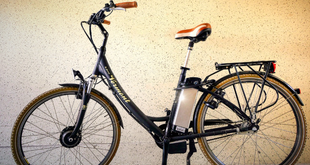
An electric bike battery is one of the most important and expensive parts of an electric bike. Taking good care of it can help maintain its performance, improve its useful life, and reduce the chance of battery related problems. One of the simplest ways to protect an electric bike battery is to store it correctly when the bike will not be used for a long period.
Many people think that storing a battery simply means removing it from the electric bike and placing it somewhere safe. In reality, battery storage involves several important steps. The battery should have an appropriate charge level, it should be kept in a suitable location, and it should be protected from extreme temperatures, moisture, physical damage, and unnecessary charging.
Whether you are storing your electric bike battery for a few weeks, during winter, while traveling, or for several months, the right storage method can make a noticeable difference.
Why Proper Electric Bike Battery Storage Matters
Most modern electric bike batteries use lithium ion battery technology. These batteries provide a good balance between weight, capacity, and performance, but they still require proper care.
Leaving a battery fully charged for a very long time can place additional stress on the cells. On the other hand, allowing the battery to remain completely empty for months can cause the voltage to fall too low. In some cases, a deeply discharged battery may become difficult or impossible to recharge normally.
Temperature is also important. Very high temperatures can accelerate battery aging, while extremely cold conditions can temporarily reduce battery performance. Moisture and poor storage conditions can also damage the battery housing and electrical connections.
For these reasons, learning how to store an electric bike battery correctly is an important part of electric bike maintenance.
Clean the Battery Before Storage
Before storing an electric bike battery, take a few minutes to inspect and clean it.
Remove the battery from the electric bike according to the instructions provided by the manufacturer. Check the battery housing for dirt, dust, moisture, cracks, or other visible damage.
If the battery is dirty, wipe the outside with a soft, dry or slightly damp cloth. Do not pour water directly onto the battery and do not submerge it in water.
Pay particular attention to the battery contacts and connection areas. They should remain clean and dry. If you notice corrosion, damage, loose parts, swelling, or an unusual smell, do not continue using or charging the battery. A damaged lithium ion battery should be inspected by a qualified professional.
Cleaning the battery before storage helps prevent dirt and moisture from causing problems while it remains unused.
Charge the Battery to the Right Level
One of the most important parts of long term electric bike battery storage is choosing the right charge level.
For storage lasting several weeks or months, it is generally better not to leave a lithium ion battery at 100 percent charge. It is also not recommended to store it completely empty.
A moderate charge level is usually more suitable for long term storage. Many electric bike manufacturers recommend storing lithium ion batteries at around 40 to 60 percent charge, although the exact recommendation can vary between battery models.
Always check the owner’s manual for your specific electric bike and battery.
If you are storing the battery for only a few days, you usually do not need to make major changes to your normal charging routine. The need for a specific storage charge becomes more important when the battery will remain unused for weeks or months.
Avoid Storing a Battery Fully Empty
A completely discharged electric bike battery should not be left unused for a long period.
Lithium ion batteries slowly lose charge even when they are not being used. If the battery begins storage with a very low charge, its voltage can continue falling over time.
When the voltage becomes too low, the battery management system may prevent normal charging. This can create a situation where the charger does not appear to work.
For this reason, check the battery level before putting it into long term storage. If it is nearly empty, recharge it to the storage level recommended by the manufacturer.
Do not intentionally drain the battery completely before storage.
Choose a Cool and Dry Storage Location
The place where you store an electric bike battery is extremely important.
A cool, dry, and well ventilated indoor location is usually a better choice than a hot garage, outdoor shed, balcony, or vehicle.
The battery should be protected from direct sunlight and extreme temperatures. Avoid locations near radiators, heaters, stoves, fireplaces, or other heat producing equipment.
You should also avoid areas where water or condensation can reach the battery. A damp basement or outdoor storage area may not be suitable if it regularly experiences high humidity.
A normal indoor environment with stable temperatures is generally a better choice.
Protect the Battery From Extreme Heat
Heat is one of the biggest concerns when storing lithium ion batteries.
Do not leave an electric bike battery inside a parked car during hot weather. Temperatures inside a vehicle can become much higher than the outdoor temperature.
Avoid placing the battery next to heating equipment or in direct sunlight.
Long periods of high temperature can accelerate battery aging and may affect its ability to hold a charge. Extreme heat can also create safety concerns.
If you live in a very hot climate, choose the coolest practical indoor location for battery storage. However, do not place the battery in a freezer or attempt to cool it using extreme methods.
The goal is to keep the battery in a stable environment rather than expose it to sudden temperature changes.
Protect the Battery From Extreme Cold
Cold temperatures can also affect electric bike battery performance.
A lithium ion battery may provide less power and shorter range when it is very cold. This does not necessarily mean the battery has been permanently damaged. In many cases, performance improves after the battery returns to a suitable temperature.
For long term storage, avoid exposing the battery to freezing conditions whenever possible.
If the battery has been stored in a very cold place, allow it to return naturally to a normal indoor temperature before charging it. Charging a very cold battery can be harmful, depending on the battery design and manufacturer instructions.
Always follow the charging instructions provided for your particular battery.
Keep the Battery Away From Water
Electric bike batteries may have protection against normal outdoor conditions, but that does not mean they should be stored in a wet environment.
Do not store the battery in a place where rain, leaking pipes, condensation, or flooding could reach it.
Before putting the battery away, make sure it is completely dry.
If the battery becomes wet, do not immediately connect it to a charger. Allow it to dry safely and follow the manufacturer’s guidance.
Water entering the battery housing can create electrical problems and may increase the risk of corrosion.
Store the Battery in a Safe Place
Choose a storage location where the battery will not be knocked over, dropped, crushed, or damaged.
Do not place heavy objects on top of the battery. Avoid storing it in a crowded area where it could fall from a shelf.
It is also a good idea to keep the battery away from children and pets. The battery contains electrical components and should be handled carefully.
If the battery is removable, storing it separately from the electric bike can make long term maintenance easier. It also allows you to monitor its condition without having to move the entire bike.
Check the Battery During Long Term Storage
Long term storage does not mean you should forget about the battery.
If you plan to store an electric bike battery for several months, check its charge level periodically. Lithium ion batteries naturally lose some charge while sitting unused.
The exact checking schedule depends on the battery and manufacturer recommendations. Checking it occasionally can help prevent the battery from becoming deeply discharged.
If the charge level becomes very low, recharge it according to the manufacturer’s recommended storage procedure.
Avoid repeatedly charging the battery to 100 percent simply because you are checking it. The goal is to maintain an appropriate storage level rather than keeping it fully charged all the time.
Do Not Leave the Battery Connected to the Charger
A common mistake is leaving an electric bike battery connected to its charger throughout storage.
For long term storage, this is generally unnecessary. Once the battery reaches the recommended charge level, disconnect the charger unless the manufacturer specifically recommends another procedure.
Keeping charging equipment connected unnecessarily can also create additional risks.
Use the original charger or a manufacturer approved charger whenever possible. Avoid cheap or incompatible chargers that may not provide the correct voltage or charging characteristics.
Keep the Battery Away From Flammable Materials
Electric bike batteries should be stored carefully because lithium ion batteries contain a large amount of stored energy.
Keep the battery away from gasoline, paint, solvents, paper piles, curtains, and other easily flammable materials.
Do not cover the battery with blankets or place it in a tightly sealed container where heat could become trapped.
The battery should be stored in a clean and stable area where it can be inspected easily.
If you notice swelling, smoke, excessive heat, leaking, unusual odor, or other signs of serious battery damage, move away from the battery and seek professional assistance. Do not attempt to repair a damaged lithium ion battery yourself.
Should You Remove the Battery From the Electric Bike?
If your electric bike has a removable battery and you will not use the bike for an extended period, removing the battery can be a practical choice.
It allows you to store the battery in a more controlled indoor environment while the bike remains elsewhere.
However, not every electric bike has a removable battery. Some batteries are built into the frame and are designed to remain installed.
If your battery is integrated into the bike, follow the manufacturer’s storage instructions rather than attempting to remove it yourself.
Never force a battery out of its housing.

How to Store an Electric Bike Battery During Winter
Winter storage requires a little extra attention.
Before winter storage, clean the battery, inspect it for damage, and charge it to the level recommended by the manufacturer.
Store it indoors in a dry location where temperatures remain reasonably stable.
If you are not going to use the electric bike for several months, check the battery periodically. Do not allow the charge level to remain extremely low.
When spring arrives, inspect the battery again before putting it back into regular use. Make sure the battery housing is clean and undamaged and that the connectors are dry.
If everything looks normal, charge it according to the manufacturer’s instructions before your first ride.
How to Store an Electric Bike Battery While Traveling
Traveling with an electric bike battery requires additional planning.
If you are traveling by car, keep the battery protected from extreme heat and direct sunlight. Do not leave it inside a hot parked vehicle for long periods.
Secure the battery so it cannot move around or fall during transportation.
If you are traveling by air, check the airline’s current rules before your trip. Lithium ion batteries are subject to specific transportation restrictions, particularly because of their energy capacity.
Do not assume that an electric bike battery can automatically be taken onto an airplane. Transportation requirements can vary depending on the battery and airline.
Common Electric Bike Battery Storage Mistakes
Several simple mistakes can reduce battery life.
One mistake is storing the battery completely empty. Another is keeping it at full charge for months.
Some people also store batteries in very hot garages or leave them inside vehicles during summer.
Another common mistake is charging a battery immediately after bringing it in from an extremely cold environment. Allowing it to reach a suitable temperature first may be safer.
Using an incorrect charger is another problem. The charger should match the battery and should be approved by the manufacturer.
Finally, never ignore visible battery damage. A swollen, cracked, leaking, or unusually hot battery should not be treated like a normal battery.
How Long Can an Electric Bike Battery Be Stored?
An electric bike battery can remain unused for weeks or months when stored correctly. However, the longer it remains unused, the more important proper storage becomes.
Battery chemistry, age, capacity, storage temperature, and charge level all affect how well it handles long periods without use.
There is no single storage period that applies to every electric bike battery.
If you know that you will not ride for several months, read the manufacturer’s storage instructions. They may provide specific recommendations for charge level, temperature, inspection intervals, and maximum storage time.
What to Do Before Using the Battery Again
When you are ready to use your electric bike after long term storage, inspect the battery carefully.
Look for cracks, swelling, leakage, corrosion, or other unusual changes.
Check the charging port and battery contacts. Make sure they are clean and dry.
If the battery appears normal, connect it to the correct charger according to the manufacturer’s instructions.
Allow it to charge normally. Do not use a damaged battery simply because it still appears to accept a charge.
After charging, install the battery correctly and check that the electric bike powers on normally.
During the first ride after long storage, pay attention to unusual heat, smells, noises, or sudden changes in battery performance.
Tips for Extending Electric Bike Battery Life
Proper storage is only one part of good battery care.
Avoid regularly draining the battery completely. Try to follow the charging recommendations provided by the manufacturer.
Use the correct charger and keep the charging area clean and dry.
Protect the battery from extreme temperatures.
Avoid unnecessary exposure to direct sunlight.
Keep the battery clean and inspect it regularly.
If the electric bike has a battery management system, allow it to operate according to the manufacturer’s instructions rather than trying to bypass its safety features.
Good everyday habits combined with proper storage can help your electric bike battery remain useful for a longer period.
Final Thoughts
Knowing how to store an electric bike battery when not in use is an important part of electric bike ownership. A battery should not simply be placed in a corner and forgotten for several months.
For long term storage, keep the battery at the charge level recommended by the manufacturer, usually around the middle range rather than completely full or empty. Store it in a cool, dry, stable indoor environment away from direct sunlight, extreme temperatures, water, and flammable materials.
Check the battery occasionally during long periods of storage and inspect it carefully before using it again.
Most importantly, follow the instructions provided with your specific electric bike and battery. Different battery systems can have different requirements.
With simple storage habits and regular attention, you can help protect your electric bike battery and maintain reliable performance when you are ready to ride again.