Related Articles
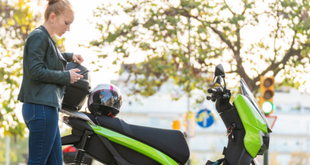


Electric bikes have become a practical choice for daily travel, exercise, commuting, and short trips. One of the most important parts of an electric bike is its battery. The battery stores the energy that powers the motor, and its condition has a direct effect on riding range, charging time, and overall performance.
Temperature is one of the factors that can strongly affect an electric bike battery. Very hot weather and very cold weather can change how the battery works. In some cases, the changes are temporary, while repeated exposure to extreme temperatures can contribute to long term battery wear.
Understanding how temperature affects electric bike battery performance can help riders use and store their batteries more carefully. It can also help prevent unnecessary battery problems and improve battery life.
Why Temperature Matters for an Electric Bike Battery
Most modern electric bikes use lithium ion batteries. These batteries contain cells that store and release electrical energy through chemical reactions. Temperature affects the speed and efficiency of these chemical reactions.
When the battery operates within a comfortable temperature range, the cells can usually deliver energy efficiently. When the temperature becomes too high or too low, the battery may not perform in the same way.
A rider may notice changes such as reduced riding range, slower charging, lower power output, or unusual battery behavior.
Temperature does not affect every battery in exactly the same way. Battery design, cell chemistry, battery age, riding conditions, charging habits, and the quality of the battery management system can all make a difference.
However, keeping an electric bike battery away from extreme temperatures is generally a good practice.
How Cold Weather Affects Electric Bike Batteries
Cold weather can have a noticeable effect on electric bike battery performance. When the temperature drops, the chemical reactions inside lithium ion cells become slower.
As a result, the battery may temporarily provide less usable energy. This means an electric bike that normally travels a certain distance on one charge may provide a shorter range during very cold weather.
The effect can be more noticeable when temperatures are extremely low.
For example, a rider may notice that the battery percentage appears to fall faster than expected. The motor may also feel slightly less powerful, especially when the bike is climbing a hill or carrying extra weight.
This does not necessarily mean that the battery is damaged. In many cases, performance improves after the battery warms to a more suitable temperature.
Reduced Riding Range in Cold Weather
One of the most common effects of cold temperatures is reduced electric bike range.
Battery range depends on many factors, including rider weight, tire pressure, speed, terrain, wind, motor power, and riding style. Temperature adds another factor to this list.
Cold conditions can reduce the amount of energy that can be delivered efficiently from the battery. At the same time, riders may use more motor assistance because cold weather can make riding more difficult.
If the battery normally provides a comfortable range in mild weather, the same battery may provide less range during a cold ride.
Planning ahead can make winter riding easier. Riders should avoid assuming that their usual maximum range will remain exactly the same during cold conditions.
Why Cold Batteries Should Be Handled Carefully
A very cold lithium ion battery should not always be charged immediately after being exposed to freezing conditions.
Charging a battery when its cells are extremely cold can cause unwanted chemical reactions that may damage the battery. Some modern electric bike battery systems include protection features that prevent or limit charging when the battery temperature is outside a safe range.
If the battery has been stored in a very cold environment, it is better to allow it to return to a suitable indoor temperature before charging, while following the instructions provided by the battery or bike manufacturer.
This simple habit can help protect the cells and reduce unnecessary battery stress.
How Hot Weather Affects Electric Bike Batteries
High temperatures can also affect electric bike battery performance. In fact, excessive heat can be more concerning for long term battery health than normal cold conditions.
When the battery becomes hot, chemical reactions inside the cells can happen faster. Excessive heat can increase battery stress and may contribute to faster aging.
A battery exposed to high temperatures repeatedly may lose capacity over time. This means it may eventually hold less energy than it did when it was new.
Hot weather can come from outdoor temperatures, direct sunlight, heavy motor use, long climbs, fast charging, or poor ventilation.
Reduced Battery Life in Extreme Heat
An electric bike battery can experience accelerated aging when it is regularly exposed to very high temperatures.
This does not mean that every hot day will permanently damage the battery. Modern battery packs are designed to operate across a range of conditions.
The concern is repeated or prolonged exposure to excessive heat.
For example, leaving an electric bike in direct sunlight for several hours on a very hot day can cause the battery and surrounding components to become much hotter than the normal outdoor temperature.
If this happens regularly, the battery may age faster.
Heat During Riding
Temperature is not the only source of heat affecting an electric bike battery. The battery can also become warm during use.
When an electric bike climbs steep hills, carries a heavy load, or operates at high power for a long period, the motor and battery may work harder.
High power demand can increase heat production inside the battery.
This is especially important during hot weather because the battery may already be operating at a higher temperature before the ride begins.
Riders can reduce unnecessary stress by avoiding extreme loads when possible and allowing the bike to cool after demanding rides.
Heat During Charging
Charging can also produce some heat. Fast charging and high charging power may generate more heat than slower charging.
When a battery is already hot because of riding or outdoor temperatures, immediately charging it may add additional thermal stress.
For this reason, it can be useful to let a very warm battery cool down before charging, provided the manufacturer’s instructions allow this approach.
Always use the correct charger designed for the electric bike battery. An unsuitable charger can create safety and performance problems.
The Best Temperature for an Electric Bike Battery
There is no single temperature that applies to every electric bike battery because manufacturers use different battery designs and cell specifications.
However, lithium ion batteries generally perform best when they are operated and charged within the temperature range recommended by their manufacturer.
For everyday use, moderate temperatures are usually more comfortable for the battery than extreme heat or extreme cold.
The owner’s manual should be the first source for specific temperature limits. Some manufacturers provide separate temperature ranges for riding, charging, and storage.
Following these recommendations is one of the easiest ways to protect an electric bike battery.
How Temperature Affects Battery Range
Temperature can affect range in several ways.
Cold weather can temporarily reduce the amount of usable energy available from the battery. Heat can also affect efficiency and may increase long term degradation when exposure is excessive.
There are also indirect effects.
Cold weather can create stronger winds or require heavier clothing, which may affect riding conditions. Riders may use higher levels of motor assistance to maintain comfort.
Hot weather can also affect riding habits. A rider may use more assistance because of physical fatigue, especially during long rides.
Therefore, the actual range of an electric bike is influenced by both battery temperature and the conditions surrounding the ride.
How Temperature Affects Charging Speed
Battery temperature can also influence charging.
A battery management system may slow down or temporarily stop charging if the battery temperature is outside the recommended range. This protection helps prevent damage to the cells.
A cold battery may need time to warm before charging can proceed normally. A hot battery may need time to cool before charging begins at full speed.
If charging appears slower than usual during extreme weather, temperature may be one possible reason.
It is better not to force the charging process or use an alternative charger simply because the battery is charging slowly.
Battery Management Systems and Temperature Protection
Modern electric bike batteries often include a battery management system, commonly called a BMS.
The BMS monitors different conditions inside the battery pack. Depending on the battery design, it can monitor temperature, voltage, current, and other important information.
If the system detects an unsafe condition, it may reduce power, stop charging, or disconnect the battery from the bike.
These protective functions are important because they help prevent the battery from operating outside its safe limits.
However, riders should not depend entirely on electronic protection. Good storage and charging habits are still important.
How to Protect an Electric Bike Battery in Hot Weather
There are several simple ways to protect an electric bike battery during hot weather.
First, avoid leaving the battery in direct sunlight for long periods. If possible, park the bike in a shaded or covered location.
Second, avoid leaving the battery inside a hot vehicle. The temperature inside a closed vehicle can become much higher than the outdoor temperature.
Third, allow the battery to cool after demanding rides before charging if it is noticeably hot.
Fourth, keep the battery away from unnecessary heat sources such as radiators, heaters, and other hot equipment.
Finally, follow the temperature and storage instructions provided by the battery manufacturer.
How to Protect an Electric Bike Battery in Cold Weather
Cold weather requires a different approach.
If possible, store the battery indoors rather than leaving it outside overnight in freezing conditions.
Before riding, allow a very cold battery to reach a more suitable temperature naturally. Do not try to heat the battery rapidly with a heater, hair dryer, or other direct heat source.
If you bring a cold battery indoors, allow it to warm gradually before charging.
During long winter rides, riders should also plan for reduced range. Carrying a backup plan for transportation can be useful if the battery becomes depleted sooner than expected.
Proper Battery Storage Temperature
Storage is especially important because an electric bike may spend many hours parked.
Extreme temperatures should be avoided during long term storage.
A cool, dry, and stable indoor location is generally preferable to a place that becomes extremely hot or extremely cold.
The battery should also be protected from moisture and direct sunlight.
If the electric bike will not be used for an extended period, follow the manufacturer’s recommendations regarding the appropriate battery charge level for storage.
Keeping a battery fully charged for long periods may not be ideal for every battery design. The manufacturer’s instructions should be followed because recommendations can vary.
Does Temperature Permanently Damage an Electric Bike Battery?
Temperature does not always cause permanent damage.
Cold weather often produces temporary performance changes. Once the battery returns to a suitable temperature, some of the lost performance may return.
Heat is different because repeated exposure to excessive temperatures can contribute to permanent battery aging.
Battery degradation happens naturally over time, but extreme heat can accelerate the process.
Other factors such as charging cycles, battery age, riding conditions, and charging habits also contribute to battery degradation.
Therefore, temperature is one part of overall battery care rather than the only factor that determines battery life.
Signs That Temperature May Be Affecting Your Battery
Some common signs include a noticeable reduction in riding range, slower charging, reduced motor assistance, or changes in battery percentage during very hot or cold conditions.
A battery may also feel unusually warm during use.
If the battery becomes extremely hot, shows physical damage, produces an unusual smell, swells, or behaves unexpectedly, stop using it and seek professional assistance.
Do not open or repair a lithium ion battery yourself unless you are properly trained to work with battery systems.
Battery packs contain electrical components that can be dangerous when handled incorrectly.
Temperature and Electric Bike Battery Safety
Battery safety should always be taken seriously.
Never cover a charging battery with materials that prevent normal heat dissipation. Charge the battery in a clean and suitable location according to the manufacturer’s instructions.
Use the original charger or an approved replacement that is specifically compatible with the battery.
Avoid charging a visibly damaged battery.
Extreme temperature combined with physical damage, incorrect charging equipment, or poor ventilation can create additional risks.
Good battery care is not complicated. Most problems can be reduced by using the correct charger, storing the battery properly, and avoiding extreme environmental conditions.
Tips for Better Electric Bike Battery Performance
A few simple habits can help maintain good battery performance throughout the year.
Keep the battery away from extreme heat.
Avoid leaving it in direct sunlight for long periods.
Do not store it in freezing conditions when indoor storage is available.
Allow a very cold battery to warm naturally before charging.
Allow a very hot battery to cool before charging.
Use the correct charger.
Avoid unnecessary high power use when the battery is already very hot.
Keep the battery dry and clean.
Follow the manufacturer’s charging and storage recommendations.
Pay attention to unusual battery behavior.
These habits are simple, but they can make a meaningful difference over the life of an electric bike battery.
Seasonal Battery Care
Different seasons require slightly different battery care.
During summer, riders should focus on avoiding excessive heat and direct sunlight. Parking in a shaded location can help reduce battery temperature.
During winter, riders should focus on protecting the battery from extreme cold and planning for reduced range.
Spring and autumn are often easier because temperatures may be more moderate, but normal charging and storage practices should still be followed.
Thinking about battery care as a seasonal routine can make it easier to remember these simple precautions.
Does Temperature Affect Electric Bike Battery Charging?
Yes, temperature can affect electric bike battery charging.
Very cold or very hot batteries may charge more slowly, and some battery management systems may prevent charging until the battery returns to a suitable temperature.
This is an important safety feature rather than a fault.
If your battery does not charge immediately after being exposed to extreme temperatures, give it time to return to a normal operating condition. Check the owner’s manual for the recommended temperature range.
Avoid attempting to bypass the battery’s protection system.
Final Thoughts
Temperature has a significant influence on electric bike battery performance. Cold weather can temporarily reduce range and power, while excessive heat can contribute to faster battery aging and reduced long term capacity.
The good news is that many temperature related battery problems can be reduced through simple habits.
Store the battery in a suitable environment, protect it from direct sunlight, avoid extreme cold, allow hot batteries to cool before charging, and follow the manufacturer’s instructions.
A little attention to temperature can help an electric bike battery perform more consistently and remain useful for a longer period.
For electric bike owners, understanding how temperature affects battery performance is an important part of responsible ownership. By taking care of the battery in both hot and cold conditions, riders can enjoy better range, more reliable performance, and greater confidence throughout the year.