Related Articles
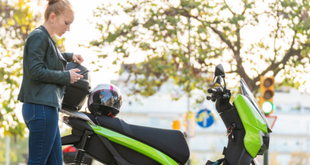


Electric bikes are useful for daily travel, exercise, shopping, and short trips around town. They are designed to handle normal outdoor conditions, but water can still become a problem if it reaches sensitive electrical parts. The electric bike battery is one of the most important components because it stores the energy needed to power the motor. Protecting it from unnecessary exposure to water can help maintain battery performance, safety, and service life.
Many electric bikes are built with some level of water resistance. However, water resistance does not mean that a battery can safely be soaked, submerged, or exposed to heavy rain for long periods. Good battery care is about understanding the limits of your electric bike and taking simple precautions before, during, and after wet weather rides.
In this guide, we will discuss how to protect an electric bike battery from water damage, how to ride safely in the rain, how to clean an electric bike after a wet ride, and what to do if the battery becomes wet.
Why Water Can Damage an Electric Bike Battery
An electric bike battery contains several electrical components inside a protective case. The battery cells store electrical energy, while other parts control charging, power delivery, and battery protection.
When water enters areas that should remain dry, it can cause several problems. Moisture can lead to corrosion, electrical faults, damaged connectors, and poor battery performance. In serious situations, water exposure can create a safety risk.
The outside of a battery may look completely dry and protected, but seals and connectors can become vulnerable when they are damaged, worn, or improperly fitted. This is why regular inspection is important.
Water damage does not always happen immediately. Sometimes moisture remains inside a connector or around a contact point and causes corrosion over time. A battery may continue working after a wet ride but develop problems later.
Check the Battery Water Resistance Rating
Before riding an electric bike in wet weather, check the manufacturer’s instructions for your specific model. Look for information about water resistance and the battery’s IP rating if one is provided.
An IP rating indicates how well a product is protected against the entry of solid particles and water. However, different ratings provide different levels of protection. A rating that allows protection against water splashes does not necessarily mean the battery can be exposed to strong water jets or submerged.
Your electric bike manual is the best source for understanding the manufacturer’s limits.
If you cannot find the information in the manual, check the manufacturer’s official website or contact the company. Avoid assuming that every electric bike battery has the same level of water protection.
Avoid Riding Through Deep Water
One of the easiest ways to protect an electric bike battery from water damage is to avoid deep water.
A shallow puddle may not cause a problem for a properly protected electric bike, but deep water can reach electrical components that normally stay away from water. Water can also splash upward from the wheels and reach the battery housing, motor connections, controller, or other electrical parts.
Never assume that an electric bike is safe to ride through a flooded road simply because it continues working during rain.
If you see standing water covering a large part of the road, look for another route. If there is no safe route, consider getting off the bike and walking it through a shallow area only if doing so is safe and the manufacturer allows it.
Floodwater is especially dangerous because you may not know how deep it is or what objects are hidden underneath.
Keep the Battery Cover Properly Sealed
Some electric bikes have removable batteries that are protected by a battery compartment or cover. Make sure the cover is correctly installed before riding in wet weather.
A loose battery cover can allow water to enter the battery compartment. Dirt and small particles can also prevent seals from sitting correctly.
Before riding, inspect the battery area and make sure there are no visible gaps, cracks, or damaged seals.
If your electric bike has a locking battery system, make sure the battery is fully seated and locked according to the manufacturer’s instructions.
Never modify the battery housing by drilling holes or making other changes that could weaken its protection against moisture.
Inspect Battery Seals Regularly
Seals are important because they help keep water away from sensitive electrical components.
Over time, seals can become worn, cracked, loose, or damaged. This can happen because of age, repeated battery removal, accidental impacts, or poor maintenance.
Inspect the battery housing occasionally, especially if you frequently ride in wet conditions.
Look for cracked rubber seals, loose covers, damaged plastic, or unusual gaps around the battery compartment. If something appears damaged, have it checked by a qualified technician before continuing to ride in wet weather.
A small damaged seal may seem unimportant, but it can allow moisture to enter areas that are normally protected.
Protect Battery Connectors From Moisture
Battery connectors are particularly important because they create an electrical connection between the battery and the electric bike.
Keep connectors clean and dry. Avoid touching electrical contacts with wet hands, and do not connect or disconnect a battery while the area is wet unless the manufacturer specifically says it is safe.
After riding in rain, inspect accessible connectors for visible moisture.
Do not use household oils or random chemicals on battery connectors. Some products may damage plastic, rubber, or electrical contacts.
If you notice corrosion, unusual discoloration, or repeated connection problems, seek professional help rather than trying to repair the connector yourself.
Use a Quality Battery Cover When Appropriate
A protective battery cover can provide an additional layer of protection, especially for electric bikes with exposed or externally mounted batteries.
Choose a cover designed for your specific battery type and bike. The cover should not interfere with ventilation, mounting, connectors, locking mechanisms, or other safety features.
A waterproof cover can help reduce direct exposure to rain, but it should not be treated as permission to ride through deep water or leave the bike outside during severe weather.
If the battery or bike becomes wet inside the cover, remove the cover when appropriate and allow the area to dry according to the manufacturer’s instructions.
Be Careful When Washing an Electric Bike
Cleaning your electric bike is important, but improper washing can expose the battery to unnecessary water pressure.
Avoid directing a high pressure hose at the battery, connectors, motor housing, display, or other electrical components.
High pressure water can force moisture past seals that would normally protect the components from ordinary rain.
A safer approach is to use a damp cloth or a gentle stream of water where permitted by the manufacturer. Clean the bike carefully and avoid flooding the battery compartment.
If the battery is removable and the manufacturer recommends removing it before cleaning, follow those instructions.
Always check the manufacturer’s cleaning instructions because different electric bikes have different designs.
Dry the Electric Bike After a Wet Ride
One of the simplest battery protection habits is drying the bike after riding in the rain.
When you return home, park the bike in a dry and ventilated area. Wipe away visible water from the frame and battery housing using a clean, soft cloth.
Pay attention to areas around the battery compartment, connectors, and charging port.
Do not immediately place a wet battery into a closed bag or storage container. Trapped moisture can take longer to evaporate and may contribute to corrosion.
Allow the bike and accessible battery surfaces to dry naturally.
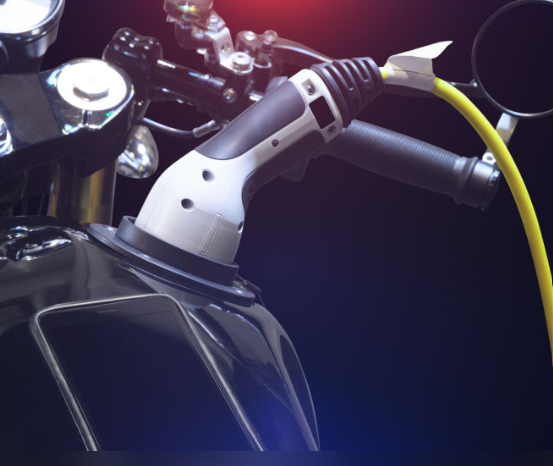
Never Charge a Wet Battery
Charging is one of the most important times to be careful with an electric bike battery.
Never connect a charger when the battery, charging port, connector, or surrounding area is visibly wet.
Moisture around an electrical connection can create problems during charging. Before charging, make sure the battery and charging port are clean and completely dry.
If the battery has been exposed to heavy rain or water has entered the battery housing, do not guess whether it is safe to charge. Follow the manufacturer’s instructions or ask a qualified electric bike technician for advice.
It is better to wait and check the battery than to take an unnecessary risk.
Keep the Charging Port Protected
The charging port is another area that deserves special attention. Many electric bikes have a rubber or plastic cover designed to protect the port when it is not being used.
Always close the charging port cover properly before riding in rain.
Inspect the cover from time to time. If it is missing, loose, cracked, or damaged, replace it before regularly riding in wet weather.
Do not leave the charging port exposed when the bike is stored outdoors.
When charging is complete, disconnect the charger according to the manufacturer’s instructions and make sure the port is protected again.
Store the Battery in a Dry Place
Proper storage is just as important as protection while riding.
If you regularly keep your electric bike outside, consider storing the battery indoors when the design of the bike allows safe removal.
The storage area should be dry and protected from rain, flooding, condensation, and extreme environmental conditions.
Do not store a battery on a wet floor or near a location where water can leak from the ceiling or walls.
If the battery is removable, follow the manufacturer’s recommendations for storage temperature and charge level.
A dry storage environment can reduce unnecessary exposure to moisture and help protect the battery over the long term.
Avoid Leaving an Electric Bike Outside During Heavy Rain
Occasional rain during a ride may be unavoidable, but leaving an electric bike outside for hours in heavy rain is different.
Continuous exposure gives water more opportunities to reach vulnerable areas. Wind can also push water into gaps and openings that might not be affected by light rain.
Whenever possible, store the electric bike under a roof or in a covered and dry location.
A garage, shed, or suitable indoor storage area can provide much better protection than leaving the bike uncovered.
What to Do If the Battery Gets Very Wet
Sometimes an electric bike battery gets wet despite your best efforts.
If this happens, do not immediately turn the system on or connect the charger.
Move the bike to a dry and safe location if possible. Wipe away external moisture with a clean cloth and inspect the battery housing for visible damage.
If you believe water has entered the battery itself, contact the manufacturer or a qualified technician for guidance.
Do not open the battery housing yourself unless you are specifically qualified to work on that battery system. Electric bike batteries contain high energy electrical components, and improper handling can be dangerous.
Signs of Possible Water Damage
Knowing the warning signs can help you identify problems early.
Possible signs of water related battery or electrical problems include:
- The battery suddenly loses power.
- The battery does not charge normally.
- The charging indicator behaves unusually.
- The electric bike switches off unexpectedly.
- The display shows an error message.
- Electrical connectors show corrosion.
- The battery housing has visible cracks or damage.
- There is unusual heat during charging or operation.
- The motor behaves differently after heavy rain.
- The charging port remains damp or shows signs of corrosion.
If you notice unusual battery behavior after significant water exposure, stop using the battery and follow the manufacturer’s safety guidance.
Do Not Open a Damaged Battery Yourself
An electric bike battery may look like a simple box, but its internal components can store significant electrical energy.
If water has entered the battery housing, opening the case yourself can create unnecessary risks. You may also damage the protective structure or make the battery more difficult to inspect professionally.
A qualified technician can determine whether the battery, connectors, charging system, or other components need attention.
Do not attempt to repair damaged battery cells with household tools or unapproved parts.
Can You Ride an Electric Bike in the Rain?
In many cases, electric bikes can be ridden in normal rain if they are designed for outdoor use and the manufacturer permits it.
The important point is understanding the difference between water resistance and waterproofing.
Water resistant equipment can tolerate a certain amount of moisture under specific conditions. It does not mean the equipment can be submerged or exposed to unlimited amounts of water.
Always follow your electric bike manufacturer’s recommendations.
Rain can also affect braking, tires, visibility, and road grip. Even if the battery is properly protected, you should ride more carefully in wet conditions.
Simple Wet Weather Battery Protection Routine
A simple routine can make electric bike battery care much easier.
Before riding, check that the battery is properly fitted and the charging port cover is closed.
During the ride, avoid deep puddles and flooded roads.
After the ride, park the bike in a dry location and wipe away visible moisture.
Before charging, make sure the battery and charging port are completely dry.
During storage, keep the battery away from rain, flooding, and excessive humidity.
Every few weeks, inspect the battery housing, seals, connectors, and charging port for signs of wear or damage.
These small habits can help reduce unnecessary water exposure.
Common Mistakes to Avoid
Several simple mistakes can increase the risk of water damage.
One common mistake is using a pressure washer directly on the electric bike. Strong water pressure can reach places that normal rain does not.
Another mistake is charging the battery immediately after riding through heavy rain without checking whether the charging port is dry.
Leaving an electric bike uncovered outside for long periods is another avoidable problem.
Some riders also assume that a waterproof battery can be submerged. This is not a safe assumption unless the manufacturer specifically provides that information.
Finally, do not ignore small cracks, loose covers, damaged seals, or corrosion. Early inspection can prevent a minor problem from becoming more serious.
Final Thoughts
Protecting an electric bike battery from water damage does not require complicated equipment. Most of the protection comes from simple habits and regular inspection.
Check the manufacturer’s water resistance instructions, keep the battery compartment properly sealed, protect the charging port, avoid deep water, clean the bike gently, and dry the battery area after wet rides.
Most importantly, never charge a wet battery or ignore signs of electrical problems after significant water exposure.
An electric bike battery is an important and valuable part of the bike. Taking a few minutes to protect it from unnecessary moisture can help maintain reliable performance and may extend the useful life of the battery.
With proper care, you can enjoy your electric bike in changing weather while reducing the risk of avoidable water related battery problems.