Related Articles

Choosing a car is an important decision because a vehicle affects your daily travel, running costs, comfort, and long term budget. Today, drivers have more choices than ever before. Two of the most common options are electric cars and gasoline cars. Both can provide reliable transportation, but they work in very different ways.
An electric car uses electricity stored in a battery to power an electric motor. A gasoline car uses fuel that is burned inside an engine to create power. This basic difference affects almost everything about the vehicle, including how it is driven, maintained, charged or refueled, and how much it costs to operate.
If you are thinking about buying a new car, understanding the difference between electric cars and gasoline cars can help you make a better decision. In this guide, we will compare electric cars and gasoline cars in simple terms and look at their performance, cost, maintenance, driving range, environmental impact, charging, refueling, and everyday practicality.
What Is an Electric Car?
An electric car is a vehicle powered mainly by electricity. Instead of a traditional gasoline engine, it uses one or more electric motors. Electricity is stored inside a large rechargeable battery pack.
When the driver presses the accelerator, electricity flows from the battery to the electric motor. The motor then turns the wheels and moves the car forward.
Electric cars have fewer moving mechanical parts than gasoline vehicles. They usually do not need engine oil because they do not have a traditional internal combustion engine.
The battery is one of the most important parts of an electric car. It can be recharged by connecting the vehicle to a suitable charging station or home charger.
Some electric cars can also recover a small amount of energy while slowing down. This process is known as regenerative braking. Instead of wasting all the energy as heat through the brakes, some energy is sent back to the battery.
What Is a Gasoline Car?
A gasoline car uses an internal combustion engine to produce power. Gasoline is mixed with air and burned inside the engine. This creates pressure that moves engine components and eventually turns the wheels.
Gasoline cars have been used for more than a century and have a large supporting network around the world. Fuel stations, repair shops, mechanics, and spare parts are widely available in many areas.
A gasoline vehicle usually has a fuel tank where gasoline is stored. When the fuel level becomes low, the driver visits a fuel station and fills the tank.
Gasoline cars also contain many mechanical components, including pistons, valves, spark plugs, belts, pumps, and an exhaust system. These parts work together to produce and control engine power.
Electric Cars vs Gasoline Cars: The Main Difference
The biggest difference between electric cars and gasoline cars is the way they produce power.
An electric car converts electrical energy from its battery into mechanical movement through an electric motor. A gasoline car burns fuel inside an engine to create mechanical energy.
This difference affects the entire driving experience.
Electric cars are generally quieter because electric motors make much less mechanical noise. They can also provide strong acceleration because electric motors can deliver power very quickly.
Gasoline cars produce engine noise and require fuel combustion to generate power. They have been refined over many decades and are familiar to most drivers.
Neither type of vehicle is perfect for every person. The better option depends on your driving habits, budget, access to charging, and personal priorities.
Performance and Acceleration
Electric cars are often impressive when it comes to acceleration. An electric motor can provide strong torque almost immediately when the driver presses the accelerator.
This can make electric vehicles feel very responsive during city driving. Some electric cars can accelerate from a stop much faster than ordinary gasoline cars.
Gasoline cars can also offer excellent performance. Sports cars and high performance gasoline vehicles have powerful engines that can provide strong acceleration and high speeds.
For normal everyday driving, both types can provide more than enough performance. The difference is mainly in how the power feels.
Electric cars often feel smooth and immediate, while gasoline cars usually provide a more familiar engine response.
Fueling and Charging
Another major difference is how you put energy into the vehicle.
Gasoline cars are refueled at fuel stations. Filling a gasoline tank usually takes only a few minutes. This is one of the biggest advantages of gasoline vehicles, especially for people who regularly travel long distances.
Electric cars need to be charged. Charging can be done at home, at workplaces, or at public charging stations, depending on what is available.
Home charging can be very convenient because the vehicle can charge while parked. Many electric car owners can start the day with a charged battery without visiting a fuel station.
However, charging takes longer than filling a gasoline tank. The exact charging time depends on the battery, charger, vehicle, and starting battery level.
Driving Range
Driving range means how far a vehicle can travel before it needs more energy.
Gasoline cars generally offer a familiar long range and can be refueled quickly. A driver can often travel a significant distance and refill the vehicle in a few minutes.
Electric car range varies considerably between models. Some electric cars are designed mainly for city use, while others offer enough range for long trips.
Temperature, driving speed, road conditions, heating, air conditioning, vehicle weight, and driving style can all affect electric car range.
For people who mostly drive short daily distances, electric vehicle range may not be a major concern. Someone who frequently travels long distances through areas with limited charging stations may prefer the convenience of a gasoline vehicle.
Maintenance Requirements
Maintenance is another important difference between electric cars and gasoline cars.
Gasoline engines contain many moving components and require regular servicing. Engine oil needs to be changed periodically. Air filters, spark plugs, belts, fluids, and other components may also need attention.
Electric cars generally have fewer mechanical components in their powertrain. They do not require traditional engine oil changes because they do not use a gasoline engine.
However, electric cars are not maintenance free. Tires, brakes, suspension parts, cooling systems, cabin filters, and other components still require inspection and maintenance.
Electric vehicles also have high voltage systems that should be inspected or repaired by properly trained technicians.
Overall, routine maintenance can be simpler for an electric car, although repair costs for certain specialized components can still be significant.
Cost of Ownership
The purchase price of a vehicle is only one part of its total cost. It is also important to consider energy, maintenance, insurance, repairs, and depreciation.
Electric cars can have lower daily energy costs in some situations because electricity can be cheaper than gasoline for the same amount of travel. This depends heavily on local electricity and fuel prices.
Home charging can also make electric vehicle ownership convenient and predictable.
Gasoline cars may have lower purchase prices in some parts of the market, especially when comparing older or smaller models.
However, gasoline vehicles require regular fuel purchases and engine maintenance.
The cheapest option depends on the specific vehicle and local prices. Buyers should compare the total cost of ownership rather than looking only at the purchase price.
Environmental Impact
Environmental impact is another important reason people compare electric cars with gasoline cars.
Gasoline vehicles produce exhaust emissions because fuel is burned inside the engine. These emissions include carbon dioxide and other pollutants.
Electric cars do not produce exhaust emissions while driving. This can help improve local air quality, particularly in areas with heavy traffic.
However, electric cars are not completely free from environmental impact. Manufacturing batteries requires raw materials, energy, and industrial processes. Electricity used to charge the vehicle also comes from different sources depending on the region.
An electric car charged with electricity from renewable sources can have a different overall environmental impact from one charged using electricity generated mainly from fossil fuels.
Even with these differences, electric vehicles can reduce direct tailpipe emissions during everyday driving.
Driving Experience
Many drivers notice a clear difference when they move from a gasoline car to an electric car.
Electric vehicles are usually very quiet. At low speeds, the absence of normal engine noise can make the cabin feel calm and peaceful.
The acceleration is also smooth because the electric motor does not need to shift through multiple traditional gears in the same way many gasoline cars do.
Gasoline cars offer engine sounds, gear changes, and a familiar mechanical feeling that many drivers enjoy.
Some people prefer the quiet and smooth nature of electric vehicles, while others enjoy the traditional driving character of gasoline cars.
There is no single answer about which feels better. It is largely a matter of personal preference.
Battery Life in Electric Cars
The battery is one of the most important components of an electric vehicle. Like other rechargeable batteries, an electric car battery can gradually lose some capacity over time.
Modern electric vehicles use sophisticated battery management systems to monitor temperature, charging, and battery performance.
Battery life depends on many factors, including battery chemistry, climate, charging habits, driving patterns, and vehicle design.
Very high temperatures and extremely cold conditions can affect battery performance. Drivers should follow the vehicle manufacturer’s recommendations for charging and storage.
A battery does not normally stop working suddenly simply because it has reached a certain age. Instead, its ability to store energy can gradually decline.
Because the battery is such an important part of an electric car, buyers should understand the battery warranty and manufacturer support before purchasing a vehicle.
Gasoline Engine Life
Gasoline engines can also last for many years when they receive proper maintenance.
Regular oil changes, cooling system maintenance, filter replacement, and timely repairs can help protect an engine.
However, gasoline engines contain many mechanical components that experience heat, friction, and pressure during operation.
Over time, components such as belts, seals, pumps, spark plugs, and other engine parts can wear out.
A well maintained gasoline car can still provide reliable transportation for many years. Maintenance history is therefore extremely important when buying a used gasoline vehicle.
Electric Car Charging at Home
Home charging is one of the biggest conveniences of electric vehicle ownership.
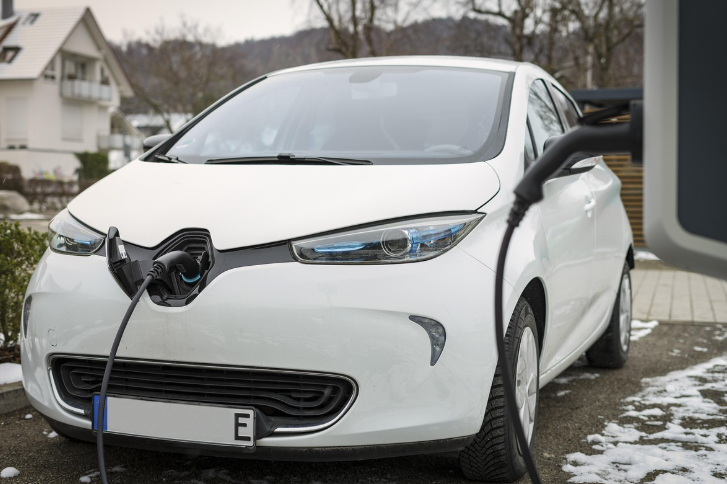
A driver can park the vehicle at home and connect it to a suitable charging system. The car can then charge while the owner is sleeping, working, or doing other activities.
The charging speed depends on the type of charger and the vehicle.
Basic charging can be useful for drivers with short daily journeys. Faster home charging equipment can provide more energy in less time, although installation may require electrical work.
Before buying an electric car, it is important to understand what charging equipment is available at your home.
People living in apartments or homes without suitable parking may need to depend more heavily on public charging stations.
Long Distance Travel
Long distance travel is one area where gasoline cars still have a practical advantage in many locations.
Fuel stations are widespread in many countries, and filling a gasoline tank is quick.
Electric vehicle long distance travel is becoming easier as charging networks expand. However, drivers still need to consider charging locations and charging time.
Planning is especially important when traveling through areas where public chargers are limited.
For people who mostly drive within a city, this may not be a major issue. For frequent road travelers, it should be considered before buying an electric car.
Which Car Is Cheaper to Maintain?
Electric cars often require less routine powertrain maintenance than gasoline cars.
There is no engine oil to replace, no traditional spark plugs, and generally fewer engine components to service.
Gasoline cars require regular engine maintenance and may need more frequent replacement of certain mechanical parts.
However, the answer is not always simple. Electric vehicles contain advanced electronics and high voltage components that can be expensive to repair if a major problem occurs.
The best way to compare maintenance costs is to look at the specific models you are considering and check their recommended service schedules.
Which Car Is Better for City Driving?
Electric cars can be particularly suitable for city driving.
City traffic often involves frequent stops and starts. Electric motors can respond quickly and smoothly, making them comfortable for this type of driving.
Regenerative braking can also help recover some energy when the vehicle slows down.
Gasoline cars can also perform very well in cities, but they may use more fuel in heavy traffic because the engine continues to consume fuel while operating.
For drivers who have access to convenient charging, an electric car can be an attractive option for regular urban travel.
Which Car Is Better for Long Trips?
The answer depends on the availability of charging stations and the driver’s travel habits.
Gasoline cars have an established advantage because fuel stations are widely available and refueling is quick.
Electric cars can be excellent for long trips when reliable fast charging stations are available along the route.
Before choosing an electric vehicle for frequent road trips, check the charging network in the areas where you normally travel.
A vehicle that works perfectly for one driver may not be ideal for another.
Electric Cars vs Gasoline Cars: Pros and Cons
Electric cars have several advantages. They can provide smooth acceleration, quiet operation, low routine powertrain maintenance, and no direct tailpipe emissions.
Their main challenges can include charging time, charging availability, battery replacement concerns, and potentially higher purchase prices for some models.
Gasoline cars have advantages such as quick refueling, widespread fuel stations, familiar technology, and a large selection of vehicles.
Their disadvantages include regular fuel costs, engine maintenance, exhaust emissions, and more mechanical components.
The right choice depends on which advantages matter most to you.
Electric Cars vs Gasoline Cars: Which One Should You Choose?
There is no universal answer.
An electric car may be a good choice if you have convenient charging at home or work, mostly drive short or medium distances, prefer quiet driving, and want to reduce direct exhaust emissions.
A gasoline car may be more suitable if you regularly travel long distances, have limited access to charging, need quick refueling, or prefer traditional vehicle technology.
Your budget should also be considered. Instead of comparing only the purchase price, calculate expected fuel or electricity costs, maintenance expenses, insurance, and expected ownership period.
Taking a test drive can also help. The driving experience of an electric vehicle can be very different from that of a gasoline vehicle.
Final Thoughts
Electric cars and gasoline cars use very different technologies to move people from one place to another. Electric vehicles use batteries and electric motors, while gasoline vehicles use fuel and internal combustion engines.
Electric cars can offer quiet driving, quick acceleration, and simpler routine powertrain maintenance. Gasoline cars provide fast refueling, familiar technology, and broad availability of fuel stations.
The best vehicle depends on your daily routine, driving distance, charging access, budget, and personal preferences.
As electric vehicle technology continues to develop, charging infrastructure and vehicle choices are also expanding. At the same time, gasoline vehicles remain practical and widely available in many markets.
Before making a purchase, compare the specific models you are interested in rather than judging all electric cars or all gasoline cars as the same. Think about how you actually use your vehicle every day. That simple approach can help you choose a car that fits your lifestyle and budget for years to come.