Related Articles

Electric cars have become increasingly popular because they are quiet, efficient, and easier to operate than many traditional gasoline cars. One question that many people ask before buying an electric vehicle is whether electric cars need regular maintenance.
The simple answer is yes. Electric cars do need regular maintenance, but their maintenance needs are generally different from those of gasoline powered cars. An electric vehicle does not have a traditional engine, fuel injectors, spark plugs, or an exhaust system. This means there are fewer mechanical components that require routine servicing.
However, an electric car still has tires, brakes, suspension components, steering parts, lights, air conditioning, a battery system, and many electronic components. These parts need regular inspection and care to keep the vehicle safe and reliable.
Understanding electric car maintenance can help owners avoid unnecessary repairs, improve vehicle performance, and extend the useful life of important components.
Why Do Electric Cars Need Maintenance?
Every vehicle needs some form of maintenance because its components experience wear and use over time. Electric cars are no different.
The main difference is that an electric car usually has fewer moving parts than a gasoline car. A gasoline engine contains many components that work together, including pistons, valves, belts, fuel injectors, spark plugs, and other engine parts. An electric motor has a much simpler design.
Because of this, electric car maintenance can be simpler in several areas. Owners generally do not need regular engine oil changes or spark plug replacements.
However, fewer maintenance requirements do not mean zero maintenance. Tires still wear out, brake components can become worn, and fluids may need inspection or replacement. The battery and electrical systems also need proper care.
Regular maintenance is therefore important even when an electric car appears to be working perfectly.
Electric Car Maintenance vs Gasoline Car Maintenance
One of the biggest advantages of an electric vehicle is its reduced mechanical maintenance.
A gasoline car usually requires regular engine oil and filter changes. Depending on the vehicle, it may also require spark plug replacement, transmission service, fuel system maintenance, exhaust system inspections, and other engine related work.
An electric car does not use gasoline to power an internal combustion engine. Instead, electricity stored in the battery powers an electric motor.
This removes several common maintenance tasks.
Electric cars usually do not require:
Engine oil changes
Spark plug replacement
Fuel filter replacement
Engine air filter replacement for combustion
Traditional exhaust system maintenance
Many engine belt replacements
This can make routine servicing less complicated.
At the same time, electric vehicles still require maintenance for tires, brakes, suspension, steering, cooling systems, air conditioning, windshield systems, and other components.
How Often Should an Electric Car Be Serviced?
There is no single maintenance schedule that applies to every electric car. The recommended service interval depends on the manufacturer, vehicle model, driving conditions, climate, and mileage.
Some electric vehicles may require an inspection every year. Others may have longer intervals between scheduled services.
The best approach is to follow the maintenance schedule provided by the vehicle manufacturer.
Drivers should also pay attention to warning messages, unusual sounds, changes in driving performance, and other signs that something may need inspection.
Even if a vehicle has a long service interval, owners should not ignore basic checks.
Electric Car Battery Maintenance
The battery is one of the most important parts of an electric car. It stores the electricity needed to power the motor and other systems.
Modern electric vehicle batteries are designed to last for many years, but their performance can gradually change with age and usage.
Battery maintenance does not usually mean opening the battery pack or servicing individual cells at home. High voltage battery systems should only be inspected or repaired by qualified technicians.
Owners can help protect the battery by following the manufacturer’s charging recommendations.
Extreme temperatures can affect battery performance. Very high temperatures can increase battery stress, while very cold temperatures can temporarily reduce available range and charging performance.
Many modern electric cars use sophisticated battery management and thermal management systems to control battery temperature.
Drivers should also avoid experimenting with electrical repairs themselves. High voltage systems can be dangerous and require specialized equipment and training.
Does an Electric Car Need an Oil Change?
One of the most common questions about electric car maintenance is whether an electric car needs an oil change.
In most fully electric vehicles, the answer is no.
Electric cars do not use a traditional internal combustion engine that requires engine oil for lubrication. Therefore, the regular engine oil changes common with gasoline cars are not normally necessary.
Some electric vehicles may use specialized fluids or lubricants in other components. The exact requirements depend on the vehicle design.
This is one reason electric vehicle maintenance can be less expensive and less frequent in certain areas.
However, owners should still check the manufacturer’s maintenance schedule because different electric vehicles can have different fluid requirements.
Brake Maintenance in Electric Cars
Electric cars still have brakes, but their brake systems can experience less wear than those in many gasoline cars.
This is mainly because of regenerative braking.
When an electric car slows down, the electric motor can operate in a way that helps recover some energy and send it back to the battery. This process also helps slow the vehicle.
Because regenerative braking can reduce the amount of work done by traditional friction brakes, brake pads may last longer.
However, brake maintenance is still important.
Brake pads, brake discs, brake fluid, calipers, and other components should be inspected according to the manufacturer’s recommendations.
A vehicle that is driven in areas with heavy traffic, steep roads, dusty conditions, or frequent hard braking may experience different brake wear.
Drivers should never assume that brake pads will last forever simply because the vehicle has regenerative braking.
Tire Maintenance Is Very Important
Tires are among the most important maintenance items on an electric car.
Electric vehicles can be heavier than similar gasoline cars because of their large battery packs. They also produce strong instant torque, which can increase tire wear if the vehicle is driven aggressively.
Regular tire inspections are therefore important.
Drivers should check tire pressure regularly and keep it at the recommended level. Incorrect tire pressure can affect handling, comfort, energy efficiency, and driving range.
Tires should also be inspected for uneven wear, cracks, cuts, and damage.
Tire rotation may be recommended at specific mileage intervals. Following the manufacturer’s recommendation can help promote more even tire wear.
Proper tire maintenance can also improve electric car range because underinflated tires can increase rolling resistance.
Wheel Alignment and Suspension Checks
Electric cars use suspension systems just like conventional vehicles.
Suspension components help provide a comfortable ride and keep the tires in contact with the road.
Over time, components such as control arms, bushings, shock absorbers, and other parts can wear.
Wheel alignment is also important. Poor alignment can cause uneven tire wear and may affect steering and handling.
If an electric car starts pulling to one side, produces unusual tire wear, or develops unusual noises over bumps, it may need a suspension or alignment inspection.
These issues are not specific to electric vehicles, but they are still an important part of electric car maintenance.
Cooling System Maintenance
Electric cars generate heat while operating and charging. The battery, electric motor, power electronics, and other components may require temperature control.
Many modern electric vehicles use liquid cooling systems to control temperatures.
The cooling system may contain specialized coolant that needs to be inspected or replaced according to the manufacturer’s schedule.
Owners should not assume that all electric cars use the same coolant or maintenance procedure.
If the vehicle displays a cooling system warning or begins showing unusual temperature related messages, it should be inspected by a qualified service professional.
Proper thermal management is especially important because temperature can affect battery performance and overall vehicle operation.
Air Conditioning Maintenance
The air conditioning system is another part of an electric vehicle that needs attention.
Unlike the engine in a gasoline car, an electric car does not rely on an engine to operate its climate system in the same way. Electric vehicles use specially designed components to provide heating and cooling.
The air conditioning system can still lose refrigerant, develop leaks, or experience mechanical or electrical problems.
Cabin air filters also need to be inspected and replaced periodically.
A clean cabin filter can help maintain good airflow and improve the quality of air inside the vehicle.
The exact replacement interval depends on the vehicle and driving environment.
Cabin Air Filter Replacement
The cabin air filter is often overlooked, but it is an important maintenance item.
It helps reduce dust, pollen, and other particles entering the passenger compartment.
If the air conditioning system produces weak airflow or unusual odors, the cabin air filter may need inspection.
Drivers who regularly travel on dusty roads may need to replace the filter more frequently than drivers who mostly use clean urban roads.
Checking the owner’s manual is the easiest way to determine the recommended replacement schedule.
Software Updates and Electronic Systems
Electric cars depend heavily on software and electronic systems.
These systems control many functions, including battery management, charging, driving assistance, climate control, navigation, and vehicle settings.
Manufacturers may release software updates to improve performance, fix problems, improve security, or introduce new features.
Some updates can be installed remotely, while others may require a service center.
Keeping the vehicle software updated can therefore be an important part of modern electric car maintenance.
Owners should pay attention to official notifications from the vehicle manufacturer and follow recommended update procedures.
Charging System Maintenance
The charging system also deserves attention.
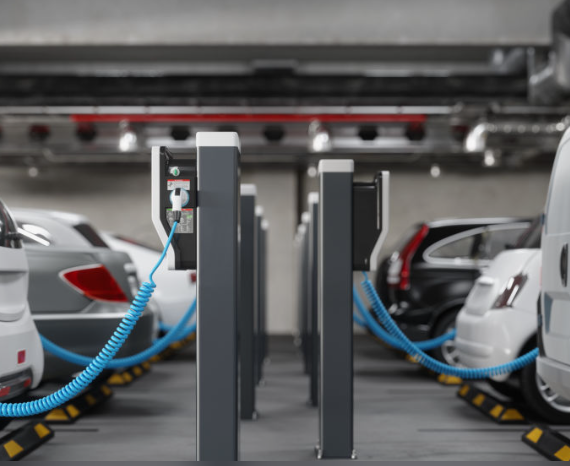
Drivers should regularly inspect the charging cable and connector for visible damage. A damaged cable should not be used until it has been checked by a qualified professional.
Charging connectors should be kept clean and dry according to the manufacturer’s instructions.
Owners should also use charging equipment that is compatible with the vehicle.
Problems with charging may come from the vehicle, charging equipment, electrical supply, or software. If an electric car suddenly stops charging or repeatedly shows charging errors, professional inspection may be necessary.
Windshield Wipers and Washer Fluid
Simple maintenance items are still important in electric vehicles.
Windshield wiper blades become less effective as they age. Damaged or worn blades can reduce visibility during rain.
Washer fluid should also be checked regularly.
These may seem like small details, but good visibility is essential for safe driving.
Replacing wiper blades and keeping the windshield clean are inexpensive maintenance tasks that should not be ignored.
Lights and Safety Equipment
Electric car owners should regularly check headlights, brake lights, turn signals, hazard lights, and other exterior lighting.
Modern vehicles may use LED lighting, which can last a long time, but electronic lighting components can still develop problems.
Drivers should also pay attention to warning indicators on the dashboard.
Modern electric vehicles can display messages when they detect problems with the battery, charging system, braking system, tires, or other components.
Ignoring warning messages can sometimes allow a small issue to become a more expensive problem.
Do Electric Cars Cost Less to Maintain?
Electric cars can have lower routine maintenance costs than gasoline vehicles because they have fewer mechanical components and fewer regular service requirements.
The absence of regular engine oil changes is one example.
Reduced brake wear through regenerative braking can also help lower maintenance needs over time.
However, electric cars are not maintenance free.
Some electric vehicle components can be expensive to repair if they fail. High voltage battery systems and specialized electronic components require trained technicians and specialized equipment.
The total cost of ownership therefore depends on the vehicle model, age, mileage, driving conditions, repair needs, and local service costs.
Can You Maintain an Electric Car Yourself?
Some basic maintenance tasks can be performed by an owner.
Checking tire pressure, inspecting tires, replacing windshield wipers, filling washer fluid, and checking visible damage are examples of simple tasks.
However, high voltage electrical components should not be repaired by an inexperienced person.
The battery pack, inverter, electric motor, and high voltage wiring can contain dangerous levels of electrical energy.
For safety, specialized electric vehicle repairs should be performed by trained technicians.
Owners should use the manufacturer’s service information to understand which tasks are safe and appropriate for them.
Signs That an Electric Car Needs Maintenance
An electric car may provide warning signs when maintenance is needed.
Some common signs include:
Unusual noises
Reduced driving range
Slow or interrupted charging
Warning lights on the dashboard
Unusual vibration
Uneven tire wear
Changes in braking performance
Difficulty with climate control
Unusual smells
Problems with steering or suspension
A noticeable change in vehicle performance should not be ignored.
Even if the car continues to drive normally, an unusual warning may indicate a problem that should be checked.
How to Keep an Electric Car in Good Condition
Taking care of an electric vehicle does not have to be complicated.
Follow the manufacturer’s maintenance schedule and keep records of completed services.
Check tire pressure regularly.
Inspect tires for damage and uneven wear.
Keep the charging cable in good condition.
Follow recommended charging practices.
Pay attention to warning messages.
Keep software updated when recommended.
Replace cabin filters when required.
Have the brakes inspected regularly.
Keep the cooling and climate systems maintained.
Avoid attempting repairs on high voltage components without proper training.
These simple habits can help an electric car remain reliable for many years.
Does Cold or Hot Weather Affect Electric Car Maintenance?
Weather can affect electric vehicle performance and maintenance needs.
Cold temperatures can temporarily reduce battery efficiency and driving range. Heating the cabin can also use additional energy.
Very hot conditions can increase the importance of proper battery temperature management.
This does not necessarily mean that an electric car needs special maintenance every time the weather changes. Modern vehicles are designed with systems that help manage temperature automatically.
However, owners should follow the manufacturer’s recommendations for extreme weather conditions.
Keeping the vehicle parked in a suitable location and using recommended charging practices can also help support battery performance.
How Long Can an Electric Car Last?
An electric car can remain useful for many years when it is properly maintained.
The lifespan of an electric vehicle depends on several factors, including battery technology, driving habits, climate, charging habits, maintenance, and overall vehicle quality.
The battery may gradually lose some of its original capacity over time. This is a normal part of battery aging.
However, battery degradation does not automatically mean that the vehicle becomes unusable.
Many electric vehicles continue to provide practical transportation after years of use.
Regular maintenance helps ensure that other components remain in good condition while the battery system ages.
Final Thoughts
So, do electric cars need regular maintenance? Yes, but their maintenance requirements are generally different from those of gasoline cars.
Electric cars have fewer moving mechanical parts and do not normally require traditional engine oil changes, spark plug replacements, or many other services associated with combustion engines.
At the same time, owners still need to maintain tires, brakes, suspension, cooling systems, air conditioning, cabin filters, charging equipment, software, and other components.
The battery and high voltage electrical system are especially important and should be handled by qualified professionals when service is required.
The best approach is simple. Follow the manufacturer’s maintenance schedule, pay attention to warning signs, inspect basic components regularly, and take problems seriously when they appear.
With proper care, an electric car can provide reliable, efficient, and comfortable transportation for many years. Regular maintenance is not something electric car owners should fear. It is simply part of keeping the vehicle safe, efficient, and ready for the road.