Related Articles
Long road trips are often associated with freedom, adventure, and the excitement of visiting new places. For many years, gasoline cars have been the traditional choice for long distance travel. However, electric cars have become increasingly popular, and many drivers now wonder whether an electric car is suitable for a long road trip.
Electric cars can perform very well on long journeys when the trip is planned properly. Modern electric vehicles offer good driving range, comfortable interiors, useful technology, and access to increasingly larger charging networks. At the same time, long distance travel in an electric car requires a little more planning than driving a gasoline vehicle.
Understanding electric car range, charging time, weather conditions, driving habits, and charging station availability can make a major difference. Once drivers become familiar with these factors, traveling long distances in an electric car can be simple and enjoyable.
What Happens During a Long Road Trip in an Electric Car
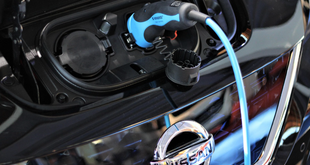
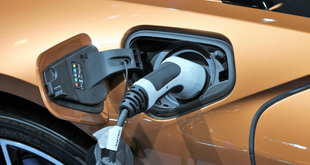
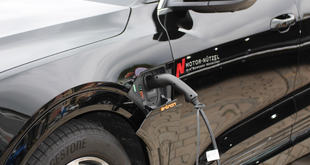
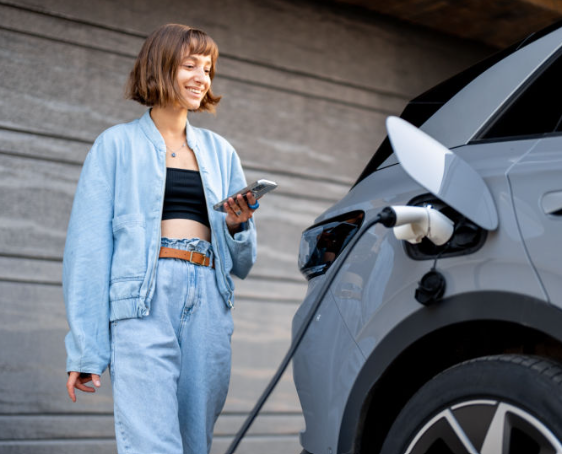
An electric car uses energy stored in its battery to power an electric motor. As the vehicle moves, the battery gradually loses its charge. When the battery reaches a lower level, the driver needs to connect the car to a suitable charging station.
On a long road trip, the basic process is simple. You start the journey with a charged battery, drive toward your destination, stop at charging stations when necessary, and continue after the battery has gained enough energy.
Unlike gasoline cars, electric cars do not normally need a long stop at every fuel station. Charging times depend on the vehicle, battery size, charger type, temperature, and current battery level.
Many drivers use fast charging stations during long trips because they can add a significant amount of range in a relatively short period.
How Far Can an Electric Car Travel on a Road Trip
The distance an electric car can travel depends on its battery capacity and efficiency. Different electric cars have different ranges, so there is no single answer for every vehicle.
Some electric cars are designed mainly for city driving and have a shorter range. Other models have larger batteries and can travel several hundred kilometers on a full charge.
The advertised range is useful, but real world range can be different. Driving speed, weather, road conditions, passengers, luggage, and use of heating or air conditioning can all affect energy consumption.
For this reason, drivers should not plan a long road trip based only on the maximum range shown in the vehicle specifications.
It is better to leave some extra battery capacity as a safety margin. For example, instead of waiting until the battery is almost empty, a driver can plan a charging stop when the battery reaches a comfortable level.
Why Driving Speed Matters
Speed has a significant effect on electric car efficiency. When an electric car travels faster, it has to overcome more air resistance. This can increase energy consumption.
A driver traveling at moderate highway speeds may achieve better range than someone driving continuously at very high speeds.
This does not mean that electric cars cannot travel at highway speeds. They can perform very well on highways. However, drivers who want to maximize range should avoid unnecessary high speed driving.
Smooth acceleration can also help reduce energy consumption. Frequent hard acceleration followed by heavy braking uses more energy than steady and controlled driving.
How Charging Works During Long Trips
Charging is one of the most important parts of planning a long electric car journey.
There are several types of electric vehicle charging. Home charging is convenient before starting a trip, while public charging stations are important when traveling long distances.
Fast charging stations are particularly useful on road trips. They can charge an electric car much faster than a standard household outlet.
Charging speed is not always constant. An electric car may charge quickly when the battery has a lower state of charge, but the charging speed can decrease as the battery becomes fuller.
Because of this, drivers do not always need to charge to 100 percent during a road trip. In many situations, charging enough to reach the next planned station can save time.
Planning Charging Stops
Good planning can make an electric car road trip much easier.
Before leaving, check the route and identify charging stations along the way. It is useful to know where the main charging stations are located and whether there are alternative stations in case one is busy or unavailable.
Drivers should also consider the distance between charging stations.
For example, if a vehicle has a practical highway range of around 300 kilometers, it may be better to plan charging stops before reaching that limit. A driver can choose to recharge after traveling 200 to 250 kilometers instead of waiting until the battery becomes very low.
Navigation systems in modern electric cars can often help with this process. Some vehicles can estimate the battery level at the destination and recommend charging stops.
What If a Charging Station Is Busy
Busy charging stations can sometimes create delays, especially during holidays and peak travel periods.
This is one reason why having a backup plan is useful.
Before starting a long trip, identify more than one charging location when possible. If the first station is occupied, out of service, or difficult to access, the driver can use another station.
It is also helpful to check whether a charging network provides information about station availability.
Having several charging options reduces stress and makes the journey more predictable.
Electric Cars and Highway Driving
Electric cars can perform very well on highways. Electric motors provide immediate torque, which allows many electric cars to accelerate smoothly and quickly.
The quiet operation of an electric motor is another advantage. During a long journey, reduced engine noise can make the cabin feel more comfortable.
Electric cars also tend to provide smooth power delivery. There is no need for traditional gear changes in most electric vehicles, which can make highway driving feel simple.
However, highway driving generally consumes more energy than slower urban driving because of higher speeds and air resistance.
This means drivers should pay closer attention to battery consumption when traveling long distances at highway speeds.
How Weather Affects Electric Car Range
Weather can have a major effect on electric car performance.
Cold weather can reduce battery efficiency and increase energy consumption. Heating the cabin also requires energy, which can reduce driving range.
Hot weather can affect range as well, particularly when air conditioning is used for long periods.
Rain can also influence efficiency because wet roads create additional resistance. Strong winds may increase energy consumption because the vehicle has to work harder against the wind.
These effects do not make electric cars unsuitable for long trips. They simply mean that drivers should consider the weather when planning their journey.
If the weather is particularly cold, hot, windy, or wet, leaving a larger battery reserve can be a sensible decision.
Does Air Conditioning Reduce Electric Car Range
Air conditioning and heating use electricity, so they can affect the driving range of an electric car.
The effect depends on the vehicle, outside temperature, cabin temperature, and how long the system is used.
Modern electric cars are designed to manage energy efficiently, so using climate control does not mean that the battery will suddenly become empty.
However, during a long trip, drivers who want maximum range can use climate control sensibly. Preconditioning the cabin while the vehicle is still connected to a charger can also help in some vehicles.
This allows the car to use electricity from the charging system rather than relying entirely on battery energy to prepare the cabin.
Electric Car Comfort on Long Trips
Comfort is an important part of any road trip.
Many electric cars provide comfortable seats, quiet cabins, modern infotainment systems, navigation, driver assistance features, and automatic climate control.
The quietness of an electric motor can be especially noticeable during long journeys. Without the sound and vibration of a traditional combustion engine, the cabin can feel calmer.
However, comfort varies from one electric car to another. Before choosing an electric vehicle for frequent road trips, drivers should consider seating space, luggage capacity, ride quality, and cabin features.
A vehicle that is excellent for short city trips may not necessarily be the best choice for a family that regularly travels long distances.
Electric Cars With Heavy Loads
Passengers and luggage add weight to a vehicle. Extra weight can increase energy consumption.
This does not mean that an electric car cannot carry several passengers or luggage. Electric vehicles are designed to transport people and belongings just like conventional cars.
However, drivers should remember that a fully loaded car may use slightly more energy than an empty vehicle.
When preparing for a long road trip, it is better to carry only the luggage that is actually needed. Keeping the vehicle organized can also make the journey more comfortable.
Regenerative Braking During Road Trips
Regenerative braking is an important feature of electric vehicles.
When the driver slows down, the electric motor can work in reverse and help recover some energy. This energy can then be stored in the battery.
Regenerative braking is particularly useful in situations involving frequent slowing and stopping.
On highways, there may be fewer opportunities for regeneration because the vehicle maintains a relatively steady speed. However, regenerative braking can still contribute to efficiency when slowing down for traffic, exits, or lower speed areas.
It is important to understand that regenerative braking does not create free energy. It simply recovers some of the energy that would otherwise be lost during braking.
Are Electric Cars Reliable for Long Distance Travel
Modern electric cars can be reliable for long distance travel when they are properly maintained.
Electric vehicles generally have fewer moving parts than gasoline cars. They do not have traditional engine oil, spark plugs, or many of the components associated with combustion engines.
However, electric cars still require maintenance.
Tires, brakes, suspension components, lights, windshield systems, cooling systems, and other parts need attention.
Before a long road trip, checking tire pressure, battery condition, charging equipment, and essential vehicle systems is a good idea.
A basic inspection can help prevent avoidable problems during the journey.
What Should You Carry on an Electric Car Road Trip
Preparation is important for any long road trip.
Electric car drivers should consider carrying the appropriate charging cables and adapters for their vehicle. It is also useful to have a phone with navigation and charging station information.
Other normal road trip items can include a first aid kit, water, basic emergency supplies, a tire repair solution or suitable roadside equipment, and important vehicle documents.
The exact equipment depends on the vehicle and the route.
Drivers should also make sure they understand how their vehicle handles charging before starting a long journey.
How Long Does an Electric Car Road Trip Take
An electric car road trip can take longer than the same journey in a gasoline vehicle if charging stops are required.
However, the difference depends on the vehicle, route, charging network, and travel conditions.
Charging stops do not necessarily have to feel like wasted time. Drivers can use them to eat, drink coffee, use the restroom, stretch their legs, or take a short break.
In fact, regular breaks can make long distance driving safer and less tiring.
Instead of thinking only about charging time, it can be useful to consider charging stops as natural rest periods during the journey.
How to Improve Electric Car Range on a Road Trip
There are several simple ways to improve electric car range.
Drive smoothly and avoid unnecessary rapid acceleration.
Maintain the recommended tire pressure.
Avoid carrying unnecessary weight.
Use climate control sensibly.
Avoid very high speeds when possible.
Plan charging stops before the battery becomes very low.
Use the vehicle’s energy saving driving modes when appropriate.
Pay attention to weather and traffic conditions.
These small habits can make a noticeable difference over a long journey.
Can Electric Cars Handle Mountain Roads
Electric cars can perform well on mountain roads. Electric motors provide strong torque, which can be helpful when climbing steep roads.
However, climbing uses more energy because the vehicle is working against gravity.
The good news is that some of this energy can be recovered while descending. Regenerative braking can help recover energy when the vehicle slows down on downhill sections.
Even so, drivers should plan carefully when traveling through mountainous areas. Charging stations may be less common in remote locations, so checking the route in advance is particularly important.
What Happens if the Battery Gets Very Low
Drivers should avoid intentionally allowing the battery to reach an extremely low level during a remote road trip.
Modern electric cars provide battery warnings and estimated remaining range. When the battery becomes low, the driver should find a charging station rather than continuing until the vehicle stops.
If a driver becomes stranded because the battery is completely depleted, roadside assistance may be required.
This is why maintaining a reasonable battery reserve is one of the most important habits for long distance electric car travel.
Are Electric Cars Good for Family Road Trips
Electric cars can be excellent family road trip vehicles.
They can provide comfortable seating, quiet cabins, useful storage, and smooth driving.
Families should consider the size of the vehicle and its available luggage space before traveling. They should also plan charging stops around meal and rest breaks.
For families traveling with children, charging stops can be used for snacks, restroom visits, and short breaks.
With proper planning, an electric car can make a family road trip comfortable and enjoyable.
The Advantages of Electric Cars on Long Road Trips
Electric cars have several advantages during long distance travel.
The first is smooth and quiet driving. The second is strong acceleration and responsive power. The third is the convenience of starting a trip with a fully charged battery at home.
Electric cars can also be efficient, especially when driven smoothly.
Another advantage is the growing availability of fast charging infrastructure. As charging networks continue to expand, long distance electric travel is becoming easier in many regions.
The Challenges of Electric Cars on Long Road Trips
There are also challenges.
Charging can take longer than filling a gasoline tank. Charging station availability may vary depending on the region. Extreme weather can reduce range, and highway speeds can increase energy consumption.
Some remote areas may have limited charging infrastructure.
These challenges do not mean that electric cars are poor road trip vehicles. They simply require drivers to think differently about energy and travel planning.
Tips for a Stress Free Electric Car Road Trip
A few simple habits can make a major difference.
Start the trip with a sufficient battery charge.
Plan charging locations before leaving.
Keep a backup charging option in mind.
Check the weather forecast.
Avoid unnecessary high speed driving.
Do not rely completely on the vehicle’s maximum advertised range.
Leave a reasonable battery reserve.
Take regular breaks.
Keep charging cables and necessary equipment available.
Check tire pressure before starting the journey.
These steps can make an electric car road trip much more predictable.
Final Thoughts
Electric cars can perform very well on long road trips. They offer smooth performance, quiet driving, modern technology, and efficient electric power. The main difference is that drivers need to plan charging stops instead of simply stopping at a gasoline station.
Range depends on many factors, including battery size, driving speed, weather, road conditions, vehicle load, and climate control use. Understanding these factors allows drivers to plan more confidently.
The most important lesson is that a successful electric car road trip is based on preparation. Check the route, understand the vehicle’s real world range, identify charging stations, keep a reasonable battery reserve, and allow enough time for charging and rest.
As electric car technology and charging infrastructure continue to improve, long distance travel is becoming easier. For many drivers, an electric car can provide a comfortable, practical, and enjoyable way to explore long roads and distant destinations.