Related Articles

Electric cars are becoming more common on roads around the world. Many people are interested in buying an electric car because of lower running costs, quiet driving, modern technology, and reduced use of gasoline. However, beginners often find electric car terminology confusing.
When you start researching an electric vehicle, you may come across terms such as battery capacity, kilowatt hour, charging speed, regenerative braking, range, electric motor, DC fast charging, and state of charge. Understanding these common electric car terms can make it much easier to compare vehicles and understand how they work.
This guide explains the most important electric car terms in simple language. You do not need to be an engineer or electric vehicle expert to understand them. Once you learn these basic terms, you will feel more confident when reading electric car specifications, comparing models, or preparing to buy your first electric vehicle.
What Is an Electric Vehicle?
An electric vehicle, commonly called an EV, is a vehicle that uses electricity to power an electric motor. Instead of relying mainly on gasoline or diesel, a fully electric car stores electrical energy in a rechargeable battery.
The battery sends electricity to the electric motor. The motor then converts electrical energy into movement and turns the wheels.
Some electric vehicles can be charged at home, while others can use public charging stations. The amount of time required for charging depends on the vehicle, charger, battery size, temperature, and other factors.
The term EV can sometimes refer to different types of electrified vehicles. A fully electric vehicle is powered entirely by electricity, while a hybrid vehicle combines an electric system with a gasoline engine.
Battery Pack
The battery pack is one of the most important parts of an electric car.
It stores the electrical energy needed to operate the vehicle. When you charge an electric car, electricity is stored inside the battery. When you drive, that stored energy is delivered to the electric motor.
Electric car batteries are usually made from many smaller battery cells. These cells are organized into modules and connected together to create a larger battery pack.
The battery pack affects several important aspects of an electric car, including driving range, performance, weight, charging requirements, and vehicle cost.
Battery Capacity
Battery capacity describes how much electrical energy a battery can store.
It is normally measured in kilowatt hours, written as kWh.
For example, an electric car might have a battery with a capacity of 60 kWh. Another vehicle might have a 90 kWh battery.
A larger battery can usually store more energy, which can contribute to a longer driving range. However, battery size is not the only factor that determines range. Vehicle weight, aerodynamics, driving speed, weather, tires, and driving style also matter.
Kilowatt Hour
Kilowatt hour is one of the most important electric car terms for beginners.
It is written as kWh and is used to measure electrical energy.
You can think of kWh as the amount of energy stored in an electric car battery. If a vehicle has a 70 kWh battery, it can store approximately 70 kWh of electrical energy when fully charged.
The number is useful when comparing battery sizes between electric vehicles.
It is important to remember that kWh and kW are not the same thing. Kilowatt hour measures energy, while kilowatt measures power.
Kilowatt
Kilowatt, written as kW, measures power.
In electric cars, you may see kW used when talking about motor power or charging power.
For example, an electric car motor may produce a certain amount of power measured in kW. A charging station may also provide electricity at a particular kW rating.
A higher charging power can allow a compatible vehicle to charge faster, although the actual charging speed depends on several factors.
Electric Motor
The electric motor converts electrical energy from the battery into mechanical energy that moves the car.
Electric motors are different from traditional gasoline engines. They can provide strong torque very quickly, which is one reason electric cars can feel responsive when accelerating.
Some electric vehicles use one electric motor, while others use two or more motors. A vehicle with motors on both the front and rear axles can provide all wheel drive.
Torque
Torque describes the twisting force produced by the motor.
Electric motors can provide high torque very quickly. This gives many electric cars strong acceleration from a standstill.
When you press the accelerator, the electric motor can respond almost immediately. This is one of the reasons electric cars often feel different from gasoline powered vehicles.
Torque is usually measured in newton meters, written as Nm.
Horsepower
Horsepower is another measurement used to describe vehicle power.
Although kilowatts are commonly used in electric vehicle specifications, horsepower is still widely used by car manufacturers and automotive websites.
A higher horsepower figure generally indicates greater power potential, but horsepower alone does not determine how fast a vehicle feels. Weight, gearing, traction, software, and other factors also affect acceleration.
Driving Range
Driving range refers to the distance an electric car can travel before the battery needs to be recharged.
For example, a vehicle might have an estimated range of 400 kilometers.
The actual range can be different from the official estimate. Driving speed, temperature, traffic, road conditions, air conditioning, heating, tire pressure, and driving habits can all affect energy consumption.
Range is one of the most important factors beginners should consider when choosing an electric car.
Range Anxiety
Range anxiety is the concern that an electric car will run out of battery before reaching a charging station.
This is a common concern among people who are new to electric vehicles.
Modern electric cars can offer substantial driving ranges, and charging networks continue to develop in many areas. Planning longer journeys and knowing where charging stations are located can also reduce this concern.
For most drivers, understanding their daily driving distance is more useful than simply choosing a vehicle with the largest possible battery.
State of Charge
State of charge, commonly called SOC, refers to the amount of energy remaining in an electric car battery.
It is usually displayed as a percentage.
For example, if your dashboard shows 80 percent, the battery has a high state of charge. If it shows 20 percent, the remaining energy is much lower.
State of charge is similar to the fuel gauge in a gasoline car, although electric vehicles measure remaining battery energy rather than fuel.
Charging
Charging means supplying electrical energy to the electric car battery.
There are several ways to charge an electric vehicle. You may charge at home using suitable equipment or use a public charging station.
Charging speed depends on the charger, vehicle, battery condition, temperature, and current state of charge.
Electric cars generally charge more quickly when the battery is at a lower state of charge. Charging often slows as the battery gets closer to full.
AC Charging
AC means alternating current.
AC charging is commonly used for home charging and many public charging stations.
When an electric car receives AC electricity, the vehicle uses an onboard charger to convert that electricity into the type of electricity required by the battery.
AC charging is generally slower than DC fast charging, but it is very useful for overnight charging and daily use.
DC Fast Charging
DC fast charging is a faster method of charging an electric vehicle.
With DC charging, electrical power is supplied to the battery more directly than with normal AC charging. This allows compatible vehicles to charge at much higher power levels.
DC fast charging is particularly useful during long road trips when drivers need to add energy in a shorter period.
Charging speed can still vary significantly depending on the vehicle and charging station.
Charging Station
A charging station is a location where an electric vehicle can receive electrical energy.
Charging stations can be found at homes, workplaces, shopping centers, parking areas, highways, and dedicated charging locations.
Some stations offer slower AC charging, while others provide high power DC fast charging.
Before using a public charging station, it is useful to check whether its connector and charging speed are compatible with your vehicle.
Charging Connector
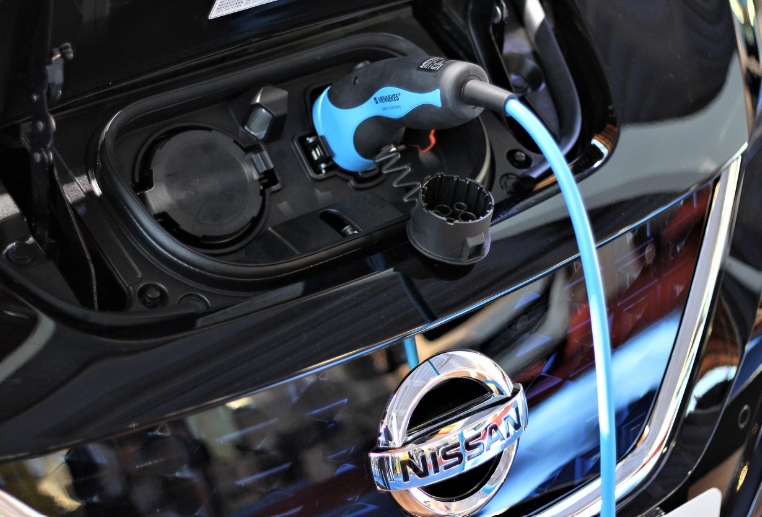
A charging connector is the physical connection between the charging equipment and the electric car.
Different regions and vehicles can use different connector standards.
Some common connector types include Type 1, Type 2, CCS, CHAdeMO, and NACS.
The connector used by a vehicle depends on its market and manufacturer. Before buying an electric car, it is important to understand which charging connector it uses.
Onboard Charger
The onboard charger is an important component inside an electric vehicle.
During AC charging, it converts incoming AC electricity into the form of electricity needed by the battery.
The power rating of the onboard charger affects how quickly the vehicle can charge from an AC source.
This is why two electric cars connected to the same AC charger may not always charge at exactly the same speed.
Regenerative Braking
Regenerative braking is a technology that allows an electric car to recover some energy during deceleration.
When the driver slows down, the electric motor can operate in a way that converts some of the vehicle’s movement back into electrical energy.
That energy can then be stored in the battery.
Regenerative braking can improve energy efficiency and reduce the amount of energy normally lost during braking. It can also create a different driving experience compared with a traditional gasoline car.
One Pedal Driving
One pedal driving is a feature available in many electric vehicles.
It allows the driver to accelerate and slow down using mainly the accelerator pedal.
When the driver releases the accelerator, regenerative braking can slow the vehicle.
The exact behavior varies between different electric cars. Some systems can bring the car close to a complete stop, while others still require the brake pedal for certain situations.
Battery Management System
The Battery Management System, often called BMS, monitors and manages the battery.
It helps monitor factors such as battery temperature, voltage, current, and state of charge.
The system also helps protect the battery from conditions that could cause damage.
The BMS plays an important role in battery safety, performance, and long term operation.
Battery Thermal Management
Battery thermal management refers to systems that help keep the battery within a suitable temperature range.
Extreme heat and cold can affect battery performance and charging behavior.
Some electric vehicles use liquid cooling and heating systems to control battery temperature.
Good thermal management can help maintain performance and support battery durability.
Battery Degradation
Battery degradation means the gradual reduction in a battery’s ability to store energy over time.
All rechargeable batteries experience some level of degradation.
As an electric car battery ages, its maximum usable capacity may decrease. This can eventually reduce the vehicle’s maximum driving range.
Battery degradation depends on many factors, including battery chemistry, temperature, charging habits, usage, and time.
Battery Warranty
A battery warranty is the manufacturer’s coverage for the electric vehicle battery.
Because the battery is one of the most expensive components of an electric car, the battery warranty is important when buying an EV.
Warranty terms vary between manufacturers and markets. They may include a specific number of years, a mileage limit, or a minimum battery capacity requirement.
Always read the warranty details before purchasing an electric vehicle.
All Wheel Drive
All wheel drive, commonly called AWD, means that power can be delivered to all four wheels.
Some electric vehicles achieve AWD by using two electric motors. One motor can power the front wheels while another powers the rear wheels.
AWD can provide additional traction in certain driving conditions and can also improve vehicle performance.
However, an AWD electric vehicle may use more energy than a similar vehicle with one motor.
Front Wheel Drive
Front wheel drive means that the front wheels receive power from the electric motor.
Many electric cars use front wheel drive because it can provide practical performance and efficient packaging.
The exact driving characteristics depend on the vehicle’s design and software.
Rear Wheel Drive
Rear wheel drive means that the rear wheels receive power.
Some electric vehicles use rear wheel drive because it can provide balanced handling and an engaging driving experience.
Rear wheel drive electric cars are available in many different sizes and price ranges.
Energy Consumption
Energy consumption tells you how efficiently an electric car uses electricity.
Depending on the market, it may be shown as kWh per 100 kilometers or another measurement.
A lower energy consumption figure generally means the vehicle uses less electricity to travel a given distance.
For example, two electric cars may have similar battery sizes, but the more efficient car may travel farther using the same amount of energy.
Fast Charging Curve
The charging curve describes how charging power changes during a charging session.
An electric car may accept high charging power when the battery has a low state of charge. As the battery becomes fuller, charging power may decrease.
This means the fastest advertised charging speed does not necessarily describe the speed throughout the entire charging session.
Understanding the charging curve can be useful for people who frequently take long road trips.
Electric Vehicle Supply Equipment
Electric Vehicle Supply Equipment, often called EVSE, refers to equipment that supplies electricity to an electric vehicle.
The equipment may include the charging unit, cable, connector, and safety components.
Many people simply call EVSE a charger, although technically the charger that converts AC electricity is usually located inside the vehicle for AC charging.
Home Charging
Home charging allows an electric car to be charged at your house.
Many EV owners prefer home charging because they can plug in after returning from work or other daily activities and start the next day with a charged battery.
Home charging can be especially convenient for people who have access to suitable parking and electrical equipment.
The appropriate installation depends on the vehicle, charger, electrical system, and local requirements.
Public Charging Network
A public charging network consists of charging stations available to electric vehicle drivers in public locations.
These networks can be especially useful during longer journeys.
Before traveling, EV drivers can use navigation systems or charging applications to locate compatible stations and check available charging options.
Plug In Hybrid
A plug in hybrid electric vehicle, often called a PHEV, combines a gasoline engine with an electric motor and rechargeable battery.
Unlike a fully electric car, a plug in hybrid can use gasoline when its available electric driving range is used.
A PHEV can be charged from an external electrical source and may allow some daily journeys to be completed using electricity alone.
Hybrid Vehicle
A hybrid vehicle combines an internal combustion engine with an electric motor and battery system.
Unlike a fully electric vehicle, a traditional hybrid generally does not need to be plugged into an external charger.
The vehicle can use energy recovered during braking and other methods to recharge its battery.
Fully Electric Vehicle
A fully electric vehicle, often called a BEV, uses electricity as its main source of propulsion.
It does not have a gasoline engine for normal driving.
The vehicle uses a rechargeable battery and electric motor to move the wheels.
When people talk about a pure electric car, they are generally referring to this type of vehicle.
Why Understanding Electric Car Terms Matters
Learning electric car terminology makes it easier to understand vehicle specifications and make better buying decisions.
For example, looking only at battery capacity does not tell you everything about an electric car. You should also consider range, energy consumption, charging speed, connector type, motor power, warranty, and your normal driving requirements.
Understanding these terms can also help you plan road trips, choose home charging equipment, and estimate the time needed for charging.
The more familiar you become with these terms, the easier it becomes to compare different electric vehicles.
Final Thoughts
Electric car terminology may seem complicated when you first start learning about electric vehicles. However, most of the important terms are relatively easy to understand once they are explained clearly.
Terms such as battery capacity, kWh, kW, range, state of charge, regenerative braking, AC charging, DC fast charging, electric motor, and battery degradation are especially useful for beginners.
You do not need to understand every technical detail before driving an electric car. Start with the basic concepts and gradually learn more as you gain experience.
Whether you are planning to buy your first electric car or simply want to understand how EV technology works, knowing these common electric car terms will help you make more informed decisions. As electric vehicles continue to become more popular, this basic knowledge can also help you understand new technologies, charging options, and vehicle features as they develop.