Related Articles
Electric cars are becoming more popular because they can help reduce fuel costs, lower emissions, and make everyday driving more convenient. One of the biggest advantages of owning an electric car is that you can charge it at home instead of visiting a fuel station. Learning how to charge an electric car at home is simple once you understand the available charging options, equipment, safety requirements, and charging times.
For most electric car owners, home charging is one of the easiest and most practical ways to keep an electric vehicle ready for daily travel. Whether you have a fully electric car or a plug in hybrid, understanding home charging can help you save time and use your vehicle more efficiently.
What Is Home Charging for an Electric Car
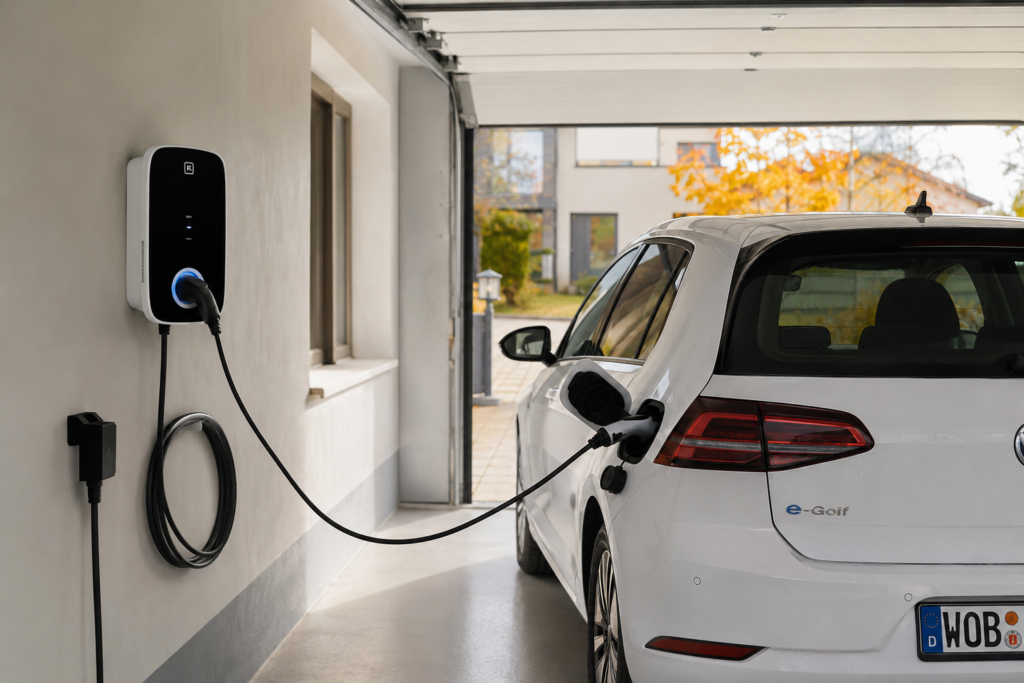
Home charging means supplying electrical energy to your electric car through a charging cable connected to your home’s electrical system. The electricity is stored inside the vehicle battery and later used to power the electric motor.
There are different ways to charge an electric car at home. The simplest option is using a standard household electrical outlet. A faster option is installing a dedicated home electric car charger. The best choice depends on your driving needs, vehicle specifications, electrical system, and budget.
Before installing any charging equipment, always check the charging requirements provided by your vehicle manufacturer.
Types of Electric Car Home Chargers
There are generally two common charging options for home users.
Standard Household Outlet
A standard household outlet can be used with a portable charging cable designed for the vehicle. This is often the easiest option because it does not require a special charging station.
However, charging through a normal outlet is usually slower. It can be useful for drivers who travel short distances each day and have plenty of time to charge overnight.
You should make sure the electrical outlet is suitable for the charging equipment. Avoid using damaged outlets, loose connections, or unsuitable extension cables.
Level 2 Home Charger
A Level 2 charger is a dedicated electric car charging system that provides much faster charging than a standard household outlet. It is usually installed by a qualified electrician and connected to an appropriate electrical circuit.
For people who drive regularly, a Level 2 home charger can be a valuable investment. It can add considerably more driving range during several hours of charging and can make overnight charging much more convenient.
The exact charging speed depends on the vehicle, charger, battery size, and electrical installation.
Check Your Electric Car Before Charging
Before you start charging an electric car at home, read the vehicle owner’s manual. Different electric cars have different charging capacities and connector types.
Check which charging cable is supplied with your vehicle and whether the manufacturer recommends a particular home charger. You should also understand the maximum charging power supported by your car.
If you plan to install a dedicated charger, check whether your home’s electrical system can safely support it. A qualified electrician can inspect the electrical panel, wiring, grounding, and available capacity.
This step is important because safe charging depends on having an electrical installation that can handle the required load.
How to Charge an Electric Car at Home
Charging an electric car at home is generally straightforward.
First, park your vehicle in a safe location close enough to the charging point or electrical outlet. Make sure the charging cable can reach the vehicle without creating a trip hazard.
Next, inspect the charging cable and connector. Do not use equipment that has visible damage, exposed wires, or signs of overheating.
Connect the charging cable to the appropriate electrical supply and then connect the vehicle connector to the car’s charging port. Depending on the vehicle, charging may begin automatically or require you to activate it through the vehicle controls or a charging application.
Once charging begins, the vehicle usually displays information about the battery level and estimated charging progress.
When the battery reaches the desired level, stop charging according to the vehicle manufacturer’s instructions. Unlock the connector if necessary, remove it carefully, and store the charging cable safely.
How Long Does It Take to Charge an Electric Car at Home
Electric car charging time varies significantly. It depends on the battery size, current battery level, charging power, vehicle charging system, and type of charger.
A standard household outlet generally provides slower charging, which means a large battery may require many hours or even more than a day to reach a high charge level.
A Level 2 charger can charge much faster and is often more suitable for regular daily driving.
For example, a driver who uses only a small amount of range each day may not need to fully recharge the battery every night. Adding the required amount of energy overnight can be enough for the next day’s journey.
Because charging times vary between vehicles, it is best to check the specifications of your particular electric car and charger.
The Best Time to Charge an Electric Car at Home
The best charging time depends on your electricity plan and daily driving schedule. Many drivers prefer to charge overnight because the car is usually parked at home for several hours.
Some electricity providers offer different rates during different periods of the day. If your electricity plan provides cheaper rates during certain hours, charging during those periods may reduce your home charging costs.
Some modern electric cars and home chargers allow you to schedule charging. You can set the vehicle to begin charging at a particular time and stop when the desired battery level is reached.
Scheduled charging can be especially useful for people who want to reduce electricity expenses and avoid unnecessary charging during expensive periods.
How Much Does It Cost to Charge an Electric Car at Home
The cost of home charging depends mainly on the amount of electricity used and the electricity price in your area.
You can estimate charging cost by multiplying the electricity used in kilowatt hours by your electricity rate. For example, if your car uses 40 kilowatt hours and your electricity rate is 30 units per kilowatt hour, the basic energy cost would be about 1,200 units.
Actual costs can vary because charging involves some energy losses and electricity prices can change.
Compared with gasoline or diesel vehicles, home charging may offer lower energy costs in many situations. However, the total cost depends on the vehicle, electricity rates, driving habits, and local fuel prices.
Electric Car Charging Safety at Home
Safety should always be a priority when charging an electric car at home.
Use charging equipment that is designed for your vehicle and electrical system. Follow the manufacturer’s instructions and have dedicated charging equipment installed by a qualified professional.
Never charge through damaged electrical equipment. Keep connectors dry and protect charging equipment from conditions that could damage it.
Avoid using unsuitable extension cords or adapters unless they are specifically approved for the charging equipment. High electrical loads can cause overheating when an unsuitable connection is used.
If you notice unusual heat, burning smells, sparks, damaged cables, or repeated electrical problems, stop using the equipment and contact a qualified electrician or the equipment manufacturer.
Choosing the Right Home Charger
When choosing a home electric car charger, consider your daily driving distance, vehicle charging capacity, available electrical power, installation cost, and future needs.
A basic portable charger may be enough for someone who drives only short distances. A dedicated Level 2 charger may be more suitable for someone who drives long distances or wants faster overnight charging.
Smart chargers can provide additional features such as charging schedules, energy monitoring, mobile applications, and remote control. These features can make home charging easier and help users understand their electricity consumption.
It is also important to choose equipment from a reliable manufacturer and make sure it is compatible with your vehicle.
Can You Charge an Electric Car Every Night
Yes, many electric car owners charge their vehicles regularly at home. However, you do not always need to charge the battery to 100 percent.
The ideal charging routine depends on the vehicle manufacturer’s recommendations and your driving requirements. For everyday driving, many owners charge enough to cover their normal trips and then recharge when necessary.
Some electric vehicles allow drivers to set a maximum charging level through the vehicle settings. This can make it easier to follow the manufacturer’s recommended battery management practices.
If you are planning a long journey, you may choose a higher charge level before leaving.
Benefits of Charging an Electric Car at Home
Home charging offers several important benefits. The first is convenience. You can plug in your car while it is parked at home instead of making a separate trip to a charging station.
Home charging can also save time because the vehicle can charge while you sleep, work from home, or perform other activities.
Another benefit is predictable energy cost. If you know your electricity rate, you can estimate how much charging will cost.
Home charging can also make electric car ownership easier for people who have regular daily driving routines. Instead of waiting for a public charger, you can start each day with the battery level you need.
Final Thoughts
Learning how to charge an electric car at home is an important part of owning an electric vehicle. The process is generally simple, but choosing the right charging equipment and following electrical safety practices is essential.
A standard household outlet can work for slower charging, while a dedicated Level 2 home charger can provide faster and more convenient charging for regular drivers. Before installing any equipment, check your vehicle requirements and have your home’s electrical system inspected by a qualified professional when necessary.
With the right setup, home electric car charging can become a simple part of your daily routine. By charging at suitable times, using compatible equipment, and following safety instructions, electric car owners can enjoy a convenient and efficient way to keep their vehicles ready for the road.