Related Articles
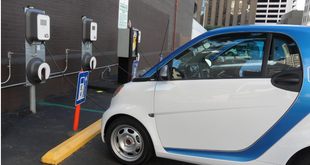
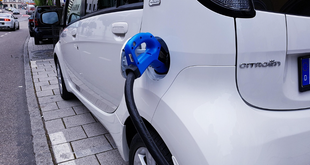
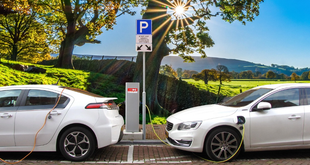
Fast charging has changed the way people use electric cars. Instead of waiting several hours to add useful driving range, a fast charger can provide a large amount of energy in a much shorter time. This makes electric cars more convenient for long trips, busy drivers, and people who do not have enough time to charge their vehicles slowly at home.
However, many electric car owners have an important question. Does fast charging damage the battery?
The simple answer is that frequent fast charging can place more stress on an electric car battery than slower charging. Modern electric vehicles are designed to handle fast charging safely, and occasional use is generally not a major concern. The real effect depends on factors such as charging speed, battery temperature, charging habits, battery design, and how often fast charging is used.
Understanding these factors can help electric car owners protect battery health while still enjoying the convenience of fast charging.
What Is Fast Charging?
Fast charging is a method of charging an electric car at a much higher power level than normal home charging. Most home charging uses alternating current, commonly called AC charging. Fast public chargers usually provide direct current, known as DC, directly to the battery.
A typical home charger may take several hours to provide a full charge. A powerful DC fast charger can add a significant amount of range within a short period.
The exact charging speed depends on the vehicle and charger. Some electric cars accept much higher charging power than others. The battery management system also controls how much power the battery receives at different stages of charging.
Fast charging is especially useful during road trips. A driver can stop at a charging station, connect the vehicle, take a short break, and continue the journey with additional range.
Why Does Fast Charging Put More Stress on a Battery?
An electric car battery contains many individual battery cells. These cells store and release electrical energy through chemical reactions.
When a battery is charged quickly, electrical energy enters the cells at a high rate. This can create more heat and place additional chemical stress on the battery.
Heat is one of the most important factors affecting battery health.
When battery temperature rises too much, unwanted chemical reactions can occur more quickly. Over a long period, these reactions can contribute to battery degradation.
This does not mean that every fast charging session damages the battery. Modern electric cars use sophisticated battery management systems to monitor temperature, voltage, current, and other conditions.
If the system detects that the battery is becoming too hot or is receiving too much power, it can automatically reduce the charging speed.
Does Fast Charging Reduce Battery Life?
Fast charging can contribute to battery degradation, especially when it is used very frequently under demanding conditions. However, the effect is usually gradual rather than sudden.
Battery degradation means that the battery slowly loses some of its original ability to store energy. For example, a battery that originally provided a certain driving range may provide slightly less range after several years of use.
Many factors contribute to battery degradation. Fast charging is only one of them.
Battery age, temperature, charging level, driving conditions, and the design of the battery all matter.
Research and real world experience suggest that modern electric vehicle batteries can last for many years even when fast charging is part of normal use. The difference between frequent fast charging and slower charging may become more noticeable over a long period rather than after a few charging sessions.
The Role of Battery Temperature
Temperature is one of the biggest factors connecting fast charging and battery health.
During fast charging, the battery can become warmer because a large amount of electrical energy is entering the cells quickly. Electric cars often have liquid cooling systems or other temperature management systems to keep the battery within a suitable operating range.
Some electric vehicles can also prepare the battery before reaching a fast charging station. This process is often called battery preconditioning.
Battery preconditioning adjusts the battery temperature so that it can accept fast charging more efficiently when the vehicle reaches the charger.
This is useful because a battery that is too cold or too hot may not be able to accept high charging power safely.
Charging a Cold Battery
Cold temperatures can affect charging performance.
When a battery is very cold, its internal chemical processes slow down. The vehicle may reduce charging power until the battery reaches a suitable temperature.
Trying to force a high charging rate into a cold battery can increase stress on the cells. For this reason, many electric cars automatically control charging power during cold conditions.
If your electric car has a battery preconditioning feature, using it before fast charging can be helpful. Following the vehicle manufacturer’s recommendations is usually the best approach.
Charging a Hot Battery
High temperatures can also affect fast charging.
If the battery is already hot after driving in very warm weather, fast charging may increase its temperature further. The vehicle can respond by reducing charging power.
This is called charging power reduction or charging throttling.
Although slower charging may seem inconvenient, it is an important protection feature. The car is essentially controlling the charging process to prevent excessive battery stress.
This is one reason why drivers should not assume that the highest possible charging speed is always available.
Why Charging Speed Changes During a Session
Many people notice that an electric car charges very quickly at a low battery percentage but becomes slower as the battery gets fuller.
This is normal.
The battery management system usually allows higher charging power when the battery has plenty of room for additional energy. As the battery approaches a high state of charge, the charging power gradually decreases.
This charging pattern helps protect the battery.
For example, an electric car may charge rapidly from a low percentage to a moderate percentage. Once the battery reaches a higher level, charging may become significantly slower.
This is why fast charging is often most useful for adding enough range to continue a journey rather than charging from a low percentage all the way to 100 percent.
Why Charging to 100 Percent Matters
The state of charge also affects battery stress.
Keeping a battery at a very high charge level for long periods can place additional stress on some lithium ion battery chemistries.
This does not mean that electric car owners should never charge to 100 percent. Charging to full capacity can be useful before a long journey.
The more important issue is how long the battery remains at a very high state of charge.
If you do not need the maximum range, charging to the level recommended by your vehicle manufacturer may be more practical for everyday driving.
Different electric cars use different battery chemistries and have different recommendations, so the owner’s manual should always be considered.
Is Fast Charging Every Day Bad?
Using a fast charger every day is not automatically harmful.
Some electric cars are designed for frequent fast charging, and their battery cooling systems are built to manage the heat produced during high power charging.
However, if you have access to slower home charging and do not need fast charging every day, slower charging can be a gentler option.
For everyday driving, many owners can use home charging overnight and reserve DC fast charging for road trips or situations where they need additional range quickly.
This approach can reduce unnecessary exposure to high charging power while still allowing convenient fast charging when needed.
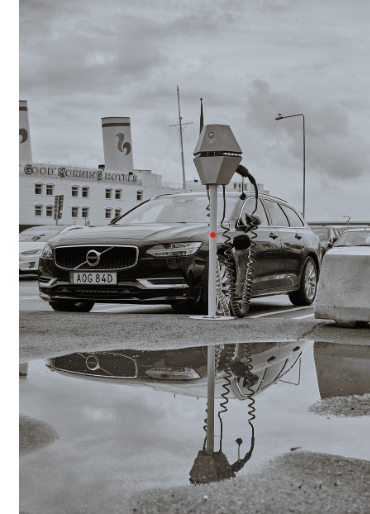
How Modern Electric Cars Protect Their Batteries
Modern electric vehicles have battery management systems that continuously monitor the battery.
The system can measure battery temperature, voltage, current, and state of charge. It can then adjust charging power according to the battery’s condition.
The battery management system can also communicate with the charging equipment.
If the battery becomes too warm, the vehicle may reduce charging speed. If the battery is extremely cold, the system may also limit charging power.
These protections are important because the driver does not have to manually control every part of the charging process.
The technology is designed to make fast charging both convenient and safe.
Battery Chemistry Makes a Difference
Not every electric car battery behaves in exactly the same way.
Different electric vehicles use different lithium based battery chemistries. Some batteries are designed to provide high energy density, while others prioritize durability, cost, or charging performance.
For example, lithium iron phosphate batteries, commonly known as LFP batteries, have characteristics that differ from nickel rich lithium ion batteries.
Because battery chemistry varies, charging recommendations also vary.
It is therefore better to follow the charging instructions provided by the vehicle manufacturer rather than applying one rule to every electric car.
How Driving Habits Affect Battery Health
Fast charging is only one part of battery health.
Driving at very high speeds for long periods can create more heat and consume more energy. Very hot or very cold weather can also affect the battery.
Frequent deep discharges may have an effect as well.
A balanced approach is usually best.
Avoid treating the battery harshly when it is not necessary. Use the charging method that suits your daily routine, keep the vehicle within its recommended operating conditions, and follow the manufacturer’s maintenance instructions.
Tips for Using Fast Charging Safely
There are several simple ways to use fast charging while taking good care of your electric car battery.
Use Fast Charging When You Need It
Fast charging is especially useful for long journeys and unexpected situations.
If you can charge comfortably at home overnight, there may be little reason to use a fast charger for every daily charging session.
Avoid Keeping the Battery at 100 Percent for Long Periods
If you do not need the full range, consider using the daily charging limit recommended by your vehicle manufacturer.
Before a long trip, charging to 100 percent may be completely reasonable if the vehicle manufacturer allows it.
Pay Attention to Temperature
Extreme heat and cold can affect charging performance.
If your vehicle provides battery preconditioning, use it when appropriate, especially before a fast charging session in difficult weather.
Do Not Worry About Occasional Fast Charging
There is usually no reason to be afraid of fast charging.
If you are traveling and need additional range, using a DC fast charger is a normal part of electric vehicle ownership.
Modern electric cars are designed with fast charging in mind.
Follow the Manufacturer’s Recommendations
The best charging advice for your particular vehicle will come from its manufacturer.
Battery chemistry, cooling systems, charging limits, and recommended state of charge can differ between models.
Can Fast Charging Cause Permanent Damage?
A single fast charging session is very unlikely to cause noticeable permanent damage to a properly functioning modern electric car battery.
The concern is more about long term battery degradation.
Repeated exposure to high temperatures and high charging power can contribute to battery aging. However, manufacturers design battery systems to manage these conditions.
The vehicle may reduce charging power when necessary, which helps protect the cells.
It is useful to think of battery degradation as a gradual process rather than something that happens immediately after using a fast charger.
How Long Can an Electric Car Battery Last?
Electric car batteries can last for many years.
Their useful life depends on battery chemistry, climate, driving habits, charging behavior, and the quality of the battery management system.
As the battery ages, its available capacity gradually decreases.
Many electric vehicle manufacturers provide long battery warranties because modern batteries are expected to remain useful for a substantial period.
A well maintained electric car battery can continue providing useful service long after the vehicle has passed its early years.
Fast Charging vs Home Charging
Home charging is generally slower but convenient.
A driver can connect the vehicle at night and allow it to charge while sleeping. This means there is often no need to wait at a public charging station.
Fast charging provides speed and flexibility.
The two charging methods serve different purposes.
Home charging is excellent for routine use, while fast charging is valuable when time matters.
Using both methods according to your needs can be a practical strategy for electric vehicle ownership.
Does Fast Charging Increase Charging Cost?
Fast charging can also affect the cost of driving an electric car.
Public fast charging stations may charge more per unit of electricity than home charging, although prices vary by location, provider, membership plan, and time of use.
Home charging is often more convenient for daily use because the vehicle can remain plugged in for several hours.
Fast charging is valuable because you are paying not only for electricity but also for speed and convenience.
For many drivers, the higher cost can be worthwhile during a long journey when waiting several hours is not practical.
What Electric Car Owners Should Remember
The most important point is that fast charging is not something electric car owners need to fear.
Modern electric cars are designed to manage fast charging. The battery management system monitors conditions and adjusts charging power when necessary.
Frequent fast charging may contribute to faster battery degradation under some conditions, especially when combined with high temperatures and other stressful operating conditions.
However, occasional fast charging is a normal and useful part of electric vehicle ownership.
For everyday driving, slower home charging can be a convenient choice when available. For long trips, fast charging provides the freedom to travel farther without spending excessive time at a charging station.
Frequently Asked Questions
Does fast charging damage electric car batteries?
Frequent fast charging can contribute to battery degradation over time, but modern electric cars are designed to handle fast charging safely. The vehicle’s battery management system controls charging power and temperature to protect the battery.
Is slow charging better for battery health?
Slow charging is generally gentler on the battery because it produces less heat and places less stress on the cells. However, modern batteries can safely use fast charging when the vehicle is designed for it.
Can I fast charge my electric car every day?
Many electric cars can handle frequent fast charging, but using slower home charging for routine charging may be gentler on the battery. Always follow the recommendations for your specific vehicle.
Should I charge my electric car to 100 percent?
Charging to 100 percent can be useful before a long journey. For everyday use, the recommended charging limit may be lower depending on the battery chemistry and vehicle manufacturer.
Does heat affect electric car battery life?
Yes. High temperatures can accelerate battery aging. Electric vehicles use cooling and battery management systems to control temperature during driving and charging.
Is fast charging safe in hot weather?
Fast charging can be used in hot weather, but the vehicle may reduce charging speed if the battery becomes too warm. This is a normal protective function.
Does fast charging reduce driving range?
Fast charging itself does not suddenly reduce driving range. Over a long period, frequent high power charging under stressful conditions may contribute to battery degradation, which can gradually reduce maximum range.
Final Thoughts
Fast charging is one of the most useful technologies in the electric vehicle world. It makes long distance travel easier and reduces the amount of time drivers need to spend charging their vehicles.
At the same time, fast charging can place more thermal and chemical stress on a battery than slower charging. The good news is that modern electric cars are equipped with battery management and temperature control systems that help manage these conditions.
The best approach is to use fast charging when it provides real value. For daily driving, home charging can be a convenient choice when available. For road trips, busy schedules, and unexpected situations, fast charging can save valuable time.
Electric car batteries are designed to work for many years, and sensible charging habits can help maintain their performance. Instead of avoiding fast charging completely, electric car owners should understand how it works and use it wisely.
With the right charging habits, drivers can enjoy the convenience of fast charging while taking good care of their electric car battery for the long term.