Related Articles
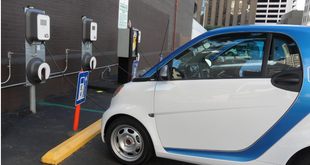
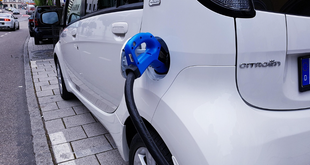
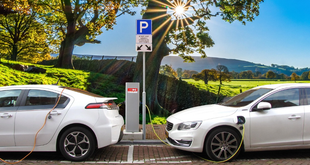
Charging an electric car at home is one of the easiest ways to keep your vehicle ready for daily travel. Unlike visiting a fuel station, home charging allows you to connect your car when you return home and let it charge while you sleep, work, or relax. However, safe electric car charging requires more than simply plugging the vehicle into a socket. The charger, electrical wiring, outlet, and charging location all need to be suitable for the job.
Learning how to charge an electric car safely at home can help prevent electrical problems, protect your vehicle, and make charging more convenient. Whether you have recently purchased an electric vehicle or are considering one, understanding basic home charging practices is useful.
This guide explains the main steps involved in safe electric car charging at home, including choosing the right charger, checking your electrical system, selecting a suitable location, and following good charging habits.
Understand Your Electric Car Charging Requirements
Before installing or using a home charger, learn what your electric car requires. Different electric vehicles have different battery capacities, charging speeds, connector types, and maximum charging rates.
Your vehicle manual normally provides information about the recommended charging equipment. You can also check the manufacturer’s official information for details about compatible chargers and charging limits.
Some electric cars can use a standard household outlet for slow charging. This may be suitable when the vehicle is driven only a short distance each day. Other drivers may prefer a dedicated home electric vehicle charger because it can provide faster and more reliable charging.
Understanding your vehicle’s requirements is important because using unsuitable equipment can create safety problems and may reduce charging performance.
Choose the Right Home EV Charger
A proper home EV charger is one of the most important parts of safe electric car charging. Chargers are available in different power levels and designs.
A basic household outlet can provide relatively slow charging. This option can be useful in certain situations, but the outlet and wiring must be capable of handling the continuous electrical load.
A dedicated home charging unit is usually a better choice for regular charging. These units are designed specifically for electric vehicles and are generally connected to a suitable electrical circuit.
When choosing a charger, consider your vehicle’s charging capacity, your home’s electrical supply, your daily driving distance, and where you want the charger installed.
Do not choose a charger only because it offers the highest charging speed. A qualified electrician should make sure that the home’s electrical system can safely support the selected equipment.
Have the Electrical System Checked
Electric car charging can place a significant and continuous load on an electrical circuit. For this reason, it is important to have your home’s electrical system checked before installing a dedicated charger.
A qualified electrician can inspect the wiring, electrical panel, circuit capacity, grounding, and protective devices. They can determine whether a dedicated circuit is required and whether any upgrades are necessary.
Older homes may have electrical systems that were not designed for the demands of modern electric vehicle charging. Even if other household appliances work normally, the system may still need additional capacity for an EV charger.
Never assume that an available wall outlet is automatically suitable for charging an electric vehicle. Professional inspection is especially important when you plan to charge frequently or use a higher power charger.
Install a Dedicated Charging Circuit
A dedicated circuit can help provide a safer and more reliable charging setup. It allows the EV charger to operate without competing with other high power appliances connected to the same circuit.
A qualified electrician should select the appropriate circuit protection and wiring according to local electrical requirements and the charger’s specifications.
Avoid using extension cords, homemade wiring, or improvised adapters for regular electric car charging. These solutions may not be designed for the continuous load created during charging.
Professional installation may cost more initially, but it can provide greater peace of mind and reduce the risk of electrical problems.
Select a Safe Charging Location
The location of your home EV charger matters. Ideally, the charging equipment should be installed in a convenient area where the cable can reach the vehicle without creating a trip hazard.
A garage can be a practical location if it has suitable electrical service and enough space. An outdoor charger can also be installed when it is specifically designed and rated for outdoor use.
Keep the charger away from areas where it can easily be hit by vehicles, exposed to unnecessary moisture, or damaged by household activities.
If the charger is installed outside, make sure the equipment is designed for the local weather conditions. Do not cover the charger with materials that interfere with ventilation or are not recommended by the manufacturer.
Keep Charging Equipment Dry
Electricity and water can be a dangerous combination. Modern EV charging equipment is designed with safety protections, but users should still avoid unnecessary exposure to water.
Do not handle electrical connections with wet hands. Keep plugs and connectors away from standing water, flooding, and damaged outdoor surfaces.
If you are charging outdoors during rain, follow the manufacturer’s instructions for your particular charging equipment. Equipment specifically designed for outdoor use can normally operate in appropriate weather conditions, but damaged cables or connectors should never be used.
If water enters an electrical component or you notice unusual damage, stop using the equipment and have it inspected by a qualified professional.
Inspect the Charging Cable Regularly
The charging cable is an important safety component. Before charging, look for cuts, exposed wires, crushed sections, melted plastic, or other visible damage.
Pay attention to the connectors as well. They should be clean, intact, and free from signs of overheating.
Do not continue using a cable simply because the car still appears to charge normally. Electrical damage may not always be immediately obvious.
If you notice burning smells, discoloration, excessive heat, sparks, or physical damage, disconnect the charger safely if possible and stop using it until it has been inspected.
Avoid Overloading Household Outlets
One common mistake is using a household outlet for electric vehicle charging without considering what else is connected to the same circuit.
Electric car charging can continue for several hours, which means the electrical system may remain under load for a long period. Adding other high power appliances to the same circuit can increase the possibility of overheating or tripping the circuit breaker.
If you are using a household outlet for temporary or occasional charging, understand how the circuit is configured and follow the vehicle and charger manufacturer’s instructions.
For regular home charging, a properly installed dedicated EV charging circuit is generally the more practical solution.
Do Not Use Damaged Outlets
The condition of the electrical outlet is extremely important when using a portable charger.
Avoid outlets that are loose, cracked, discolored, burned, or unusually warm. A loose connection can create resistance and heat, especially when electricity flows continuously for several hours.
If an outlet becomes hot during charging, stop charging and have the outlet checked by a qualified electrician.
A normal charging connection should not produce unusual heat, burning smells, or visible signs of damage.
Follow the Manufacturer’s Instructions
Every electric car and charger has specific instructions. These instructions should be treated as the main guide for safe operation.
Read the vehicle manual and charger documentation before using the equipment. Pay attention to information about charging limits, connector handling, installation requirements, storage, and error messages.
Manufacturers may also provide recommendations for charging schedules and battery care.
Do not modify the charger or attempt to repair electrical components yourself unless you are properly qualified to do so.
Use Proper Grounding and Protection
A safe home EV charging installation should include appropriate electrical protection. Depending on the equipment and local requirements, this may include circuit breakers, residual current protection, grounding, and other protective systems.
These devices are designed to help reduce the risk of electric shock, short circuits, and electrical faults.
Because electrical standards vary between countries and installations, a qualified electrician should determine which protections are required for your home.
Never remove or bypass a protective device because it repeatedly trips. A tripping breaker or protection device may indicate an electrical problem that needs professional attention.
Charge When Electricity Demand Is Lower
Some electric vehicle owners choose to charge at night because the car is parked for many hours. In areas where electricity prices vary by time of day, charging during lower cost periods may also reduce charging expenses.
If your vehicle or charger supports scheduled charging, you may be able to select a charging period that fits your daily routine.
Scheduled charging can also make home charging more convenient because you can plug in when you arrive home and allow the vehicle to begin charging later.
However, safety should always come before electricity savings. Do not use an unsuitable timer, adapter, or electrical device simply to change the charging schedule.
Keep the Charging Area Organized
A clean charging area can reduce accidents. Make sure the charging cable does not lie across a walking path where people can trip over it.
Do not place heavy objects on the cable or drive over it with a vehicle. Store portable charging equipment according to the manufacturer’s recommendations when it is not being used.
If the charger is mounted on a wall, use the proper cable management system when available. Keeping the cable organized can protect it from unnecessary bending and physical damage.
Monitor the First Few Charging Sessions
When you install a new home EV charger, it is sensible to pay attention during the first few charging sessions.
Check whether the charger operates normally and whether the electrical equipment remains at a normal temperature. Watch for unusual smells, sounds, error messages, or repeated circuit breaker trips.
This does not mean you need to stand beside the vehicle during every charging session. Instead, become familiar with how your charging equipment normally behaves.
If something seems unusual, stop using the charger and seek professional advice.
Understand Battery Charging Levels
Electric vehicle batteries do not always need to be charged to their maximum level for everyday driving. Many manufacturers provide recommended charging ranges for regular use.
The ideal charging routine depends on the vehicle and battery technology. Some cars allow owners to set a charging limit through the vehicle’s touchscreen or mobile application.
For everyday driving, following the manufacturer’s recommended battery charging limit may help support long term battery health.
When you need the maximum available driving range for a longer trip, you can follow the manufacturer’s instructions for a higher charge level.
Avoid Unnecessary Fast Charging at Home
Fast charging can be useful when you need to add a large amount of energy quickly, but home charging is often focused on convenience rather than speed.
A slower overnight charge may be perfectly adequate for many drivers. The best charging speed depends on your daily driving needs and the vehicle’s capabilities.
If you regularly drive a long distance, a professionally installed higher power home charger may be useful. If your daily driving is limited, slower charging may meet your needs without requiring a more powerful electrical installation.
The goal is to choose a charging setup that fits your actual driving routine.
Keep Children Away From Charging Equipment
Electric vehicle charging equipment should be treated as electrical equipment, not as a toy.
Keep children from playing with charging cables, connectors, outlets, or control units. When the charger is not being used, store portable equipment safely.
Children should also understand that they should not touch electrical connectors or insert objects into outlets.
Simple safety habits can prevent accidents and protect expensive charging equipment.
Be Careful With Pets
Pets can also damage charging cables by chewing or scratching them. Keep charging equipment away from animals whenever possible.
A damaged cable should not be used until it has been professionally inspected or replaced.
Cable management is useful because it keeps the charging equipment organized and reduces the opportunity for pets to reach it.
What to Do If the Charger Stops Working
Sometimes an electric car charger may stop charging because of a temporary communication problem, vehicle setting, power interruption, or fault.
First, check the vehicle’s display and charger indicators. The vehicle manual may explain common warning messages.
Do not repeatedly reset equipment if there is an obvious electrical problem. If a breaker continues to trip, the cable becomes hot, or there is a burning smell, stop using the charger.
Electrical faults should be investigated by a qualified professional.
Safe Electric Car Charging During Power Outages
If the electricity supply goes out while your electric car is charging, follow the instructions provided by your charger and vehicle manufacturer.
Once power returns, check that the equipment appears normal before continuing to charge.
If there has been flooding, electrical damage, or a serious power event, do not assume that the charger is safe simply because the electricity has returned. Professional inspection may be necessary.
Common Home EV Charging Mistakes
Several mistakes are worth avoiding when charging an electric car at home.
Using an unsuitable extension cord is one common problem. Extension cords are not automatically safe for the continuous electrical load involved in EV charging.
Another mistake is ignoring a warm or damaged outlet. Heat can indicate an electrical connection problem.
Some people also install powerful charging equipment without checking whether the home’s electrical system can support it.
Ignoring manufacturer instructions is another avoidable mistake. Your vehicle and charger are designed to work within specific electrical and environmental conditions.
Finally, never attempt complicated electrical work without proper training. Electrical installation should be handled by a qualified professional.
How to Create a Simple Home Charging Routine
A simple charging routine can make electric vehicle ownership easier.
When you arrive home, park in the normal charging position. Inspect the cable and connector if necessary. Connect the charger according to the manufacturer’s instructions and confirm that charging has started.
If your vehicle supports scheduled charging, you can set an appropriate charging period.
Before leaving in the morning, disconnect the vehicle as instructed, return the cable to its storage position, and check the battery level.
This routine takes very little time once you become familiar with your equipment.
Benefits of Safe Home EV Charging
Safe home charging provides several benefits. The biggest advantage is convenience. You can charge your vehicle while it is parked at home rather than making a separate trip to a public charging station.
Home charging can also fit naturally into your daily routine. Many drivers simply connect their vehicle after arriving home and start the next day with enough battery for their planned journey.
A properly installed charging system can also provide predictable charging performance.
Most importantly, safe charging protects your vehicle, your home’s electrical system, and the people who live in the house.
Final Thoughts
Learning how to charge an electric car safely at home does not have to be complicated. The most important principles are to use suitable charging equipment, make sure the electrical system can handle the load, keep cables and connectors in good condition, and follow the vehicle and charger manufacturer’s instructions.
For regular charging, a professionally installed home EV charger can provide a convenient and reliable solution. A qualified electrician can check your electrical system and install the appropriate circuit and protective equipment.
Avoid damaged cables, unsuitable extension cords, overloaded outlets, and DIY electrical modifications. Keep the charging area clean and dry, protect the cable from physical damage, and pay attention to unusual heat, smells, or electrical faults.
With the right equipment and sensible habits, home electric car charging can become a simple part of everyday life. Safe charging is not only about protecting the battery. It is also about creating a reliable electrical setup that keeps your vehicle and household safe every time you plug in.