
Related Articles
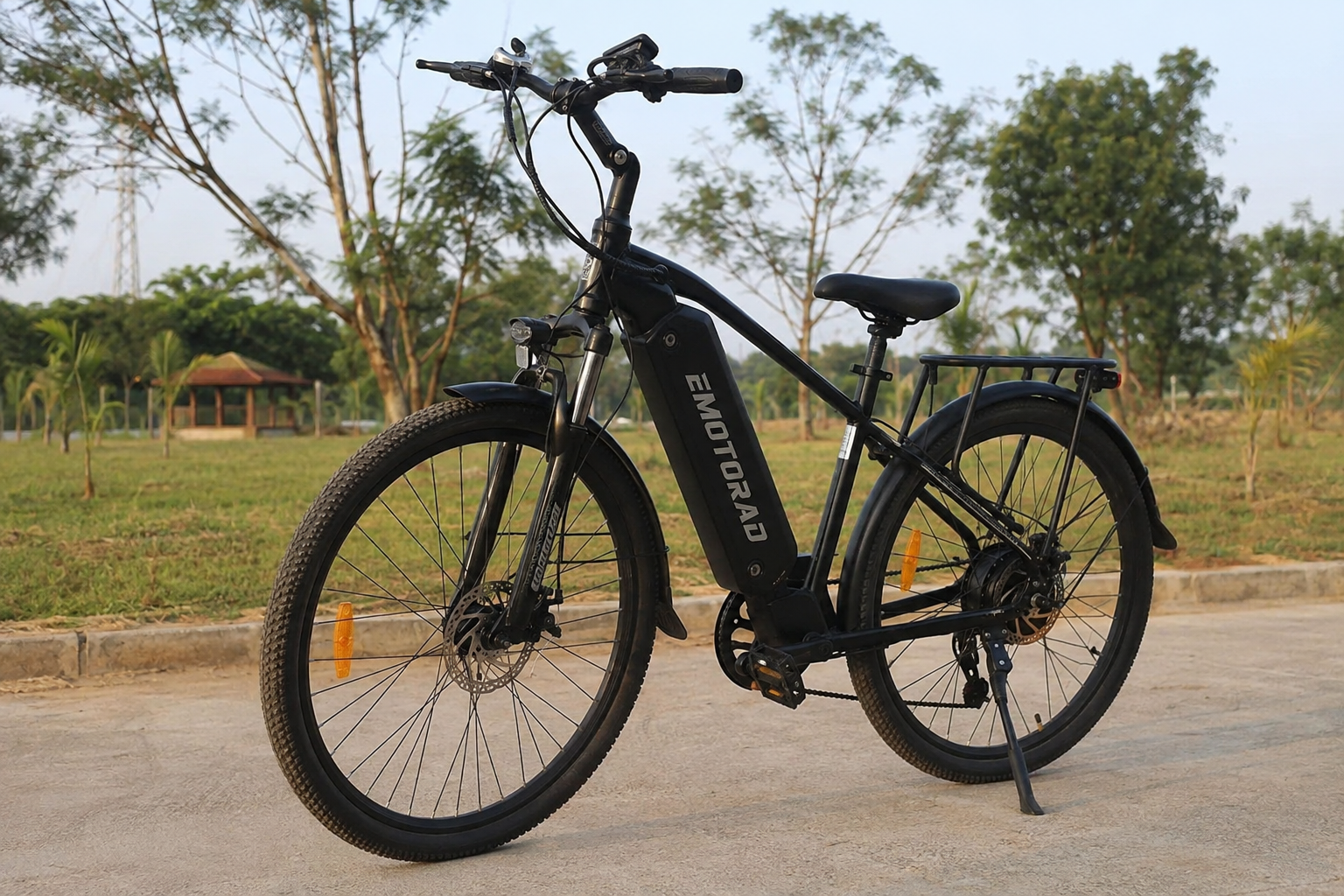
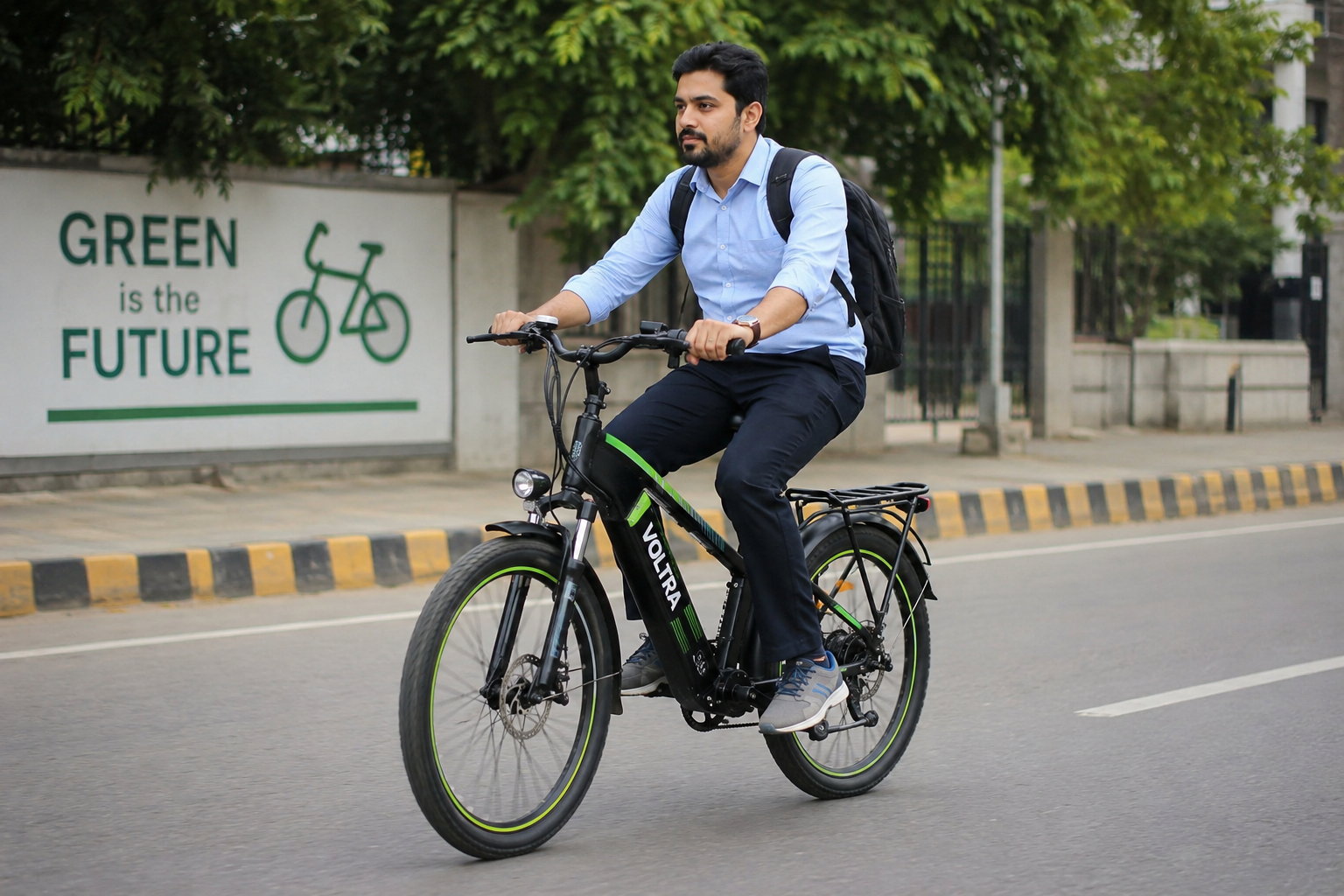
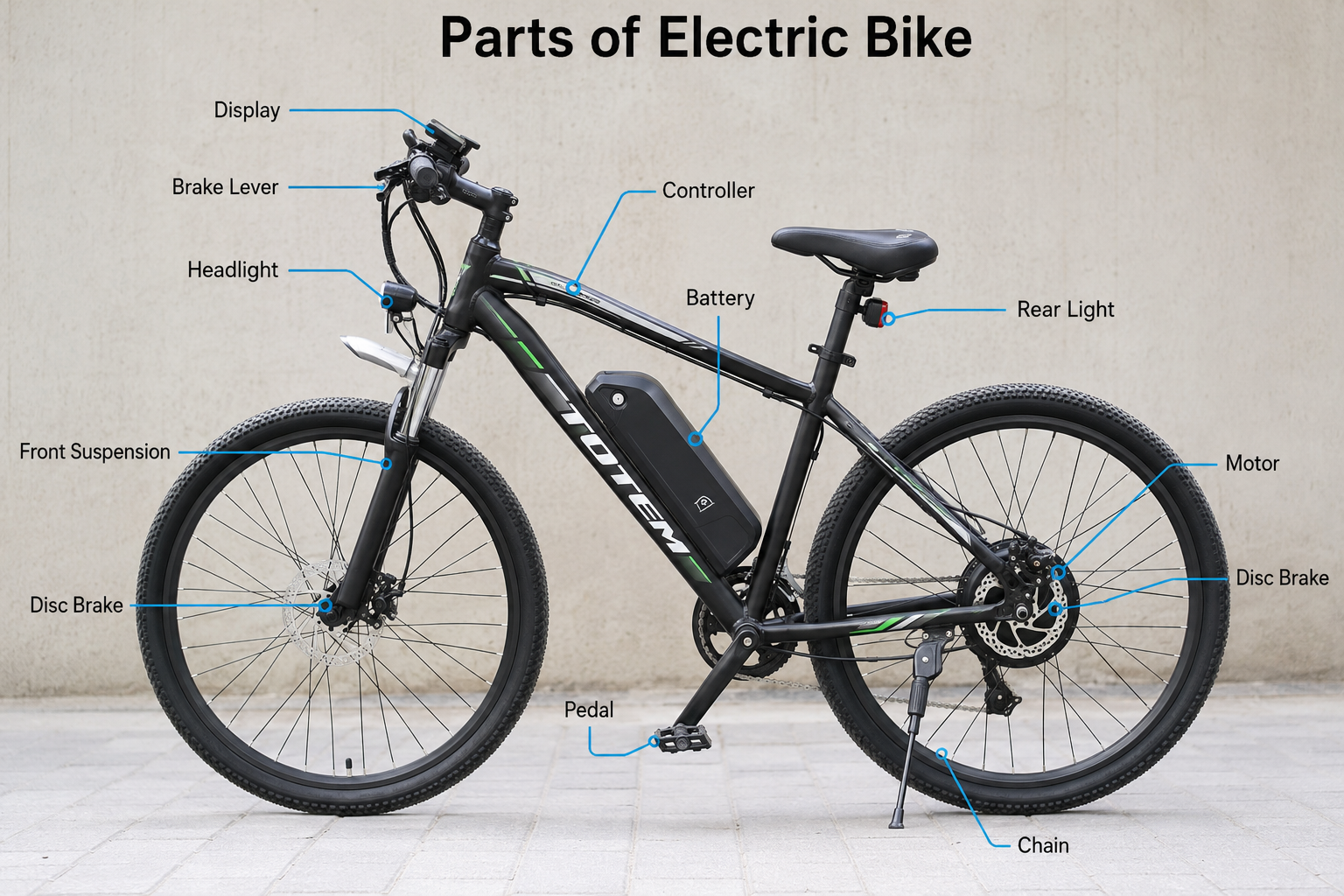
Electric bikes have become a popular choice for daily transportation, exercise, short trips, and weekend adventures. One of the most common questions people ask before buying an electric bike is how far it can travel on one charge. The answer depends on several factors, including the battery capacity, motor power, rider weight, riding conditions, terrain, and riding style.
The electric bike range can be different from one model to another. Some electric bikes can travel around 20 to 40 miles on a single charge, while some high capacity models can reach 50 miles or more under suitable conditions. Understanding what affects electric bike range can help you choose the right model and get the most distance from every charge.
Average Electric Bike Range
The average electric bike can usually travel between 20 and 50 miles on one full battery charge. However, this is only a general range because real world performance can vary. A lightweight electric bike with a smaller battery may provide around 20 to 30 miles, while an electric bike with a larger battery can provide 40 to 60 miles or even more.
Manufacturers often provide estimated range figures based on controlled testing conditions. In everyday use, your actual electric bike range may be lower or higher depending on how and where you ride.
For example, riding on flat roads at a moderate speed with low motor assistance can help you travel farther. Riding at high speed, climbing hills, carrying extra weight, or using maximum motor assistance can reduce the distance you can travel on one charge.
Battery Capacity and Electric Bike Range
Battery capacity is one of the most important factors affecting electric bike range. Electric bike batteries are commonly measured in watt hours, usually written as Wh. A battery with a higher watt hour rating generally stores more energy and can provide a longer range.
For example, a 400 Wh battery may provide a shorter range than a 600 Wh battery when other conditions are similar. However, battery size alone does not determine the exact distance. The efficiency of the motor and the way you ride also have a major effect.
A larger battery can be useful for people who travel long distances or do not want to charge their electric bike frequently. If you mainly use your bike for short city trips, a smaller battery may be enough.
Motor Power and Energy Consumption
The motor also affects how far an electric bike can travel on one charge. A powerful motor can provide strong assistance, especially when climbing hills or carrying additional weight. However, using more motor power can also consume more battery energy.
If you regularly use maximum assistance, your battery may run down faster. Using a lower assistance level when the road is flat can help conserve energy and increase your electric bike range.
This does not mean that a powerful motor is always a bad choice. Riders who live in hilly areas or carry heavy loads may benefit from additional motor power. The important thing is to understand how motor usage affects battery consumption.
Rider Weight and Electric Bike Range
Rider weight can also influence electric bike range. A heavier combined load requires more energy from the motor, particularly when starting from a stop or climbing hills.
The total load includes the rider, luggage, accessories, and anything else being carried on the bike. Keeping unnecessary weight to a minimum can help improve efficiency.
This does not mean you need to avoid carrying useful items. Instead, try to carry only what you need and make sure the electric bike is suitable for the total weight you expect to carry.
Terrain Makes a Big Difference
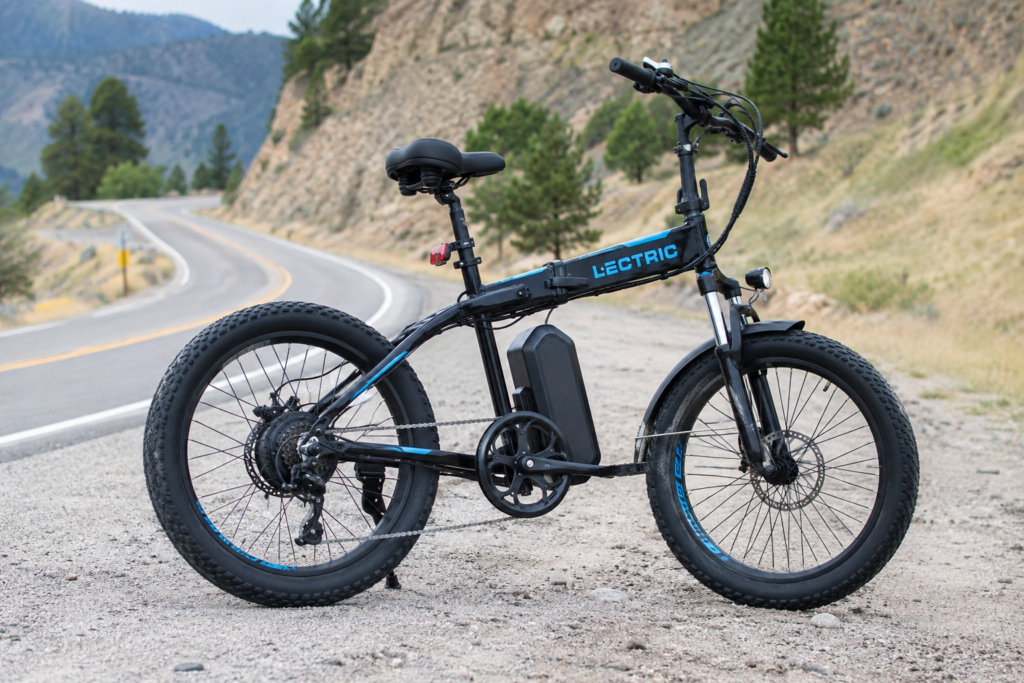
The type of road you ride on can have a major impact on how far an electric bike travels on one charge. Flat roads generally require less energy than steep hills.
If you ride mostly on smooth and level streets, you may get close to the estimated range provided by the manufacturer. If your route includes many steep climbs, rough surfaces, or frequent stops, your actual range may be significantly lower.
Off road riding can also consume more battery power because uneven surfaces create additional resistance. Riders who frequently travel on trails should consider an electric bike with a suitable battery capacity for their typical route.
Riding Speed and Battery Usage
Speed is another important factor in electric bike range. Riding faster usually requires more energy because the motor has to work harder to overcome air resistance.
A moderate riding speed can help you use battery power more efficiently. If you constantly ride at the highest assisted speed, you may notice that your battery does not last as long as expected.
For riders who want maximum range, a comfortable and steady pace is often better than constantly riding at maximum speed.
Pedaling Can Increase Range
One major advantage of an electric bike is that you can combine motor assistance with your own pedaling. Pedaling can reduce the amount of work required from the motor and help conserve battery power.
Using pedal assist instead of relying entirely on the motor can make a noticeable difference during longer rides. You can use stronger assistance when climbing hills or starting from a stop and lower assistance on flat roads.
This approach can make your ride more efficient while still providing the convenience of electric assistance.
Weather and Temperature
Weather conditions can also affect electric bike range. Strong winds can make the motor work harder, especially when riding against the wind. Cold temperatures may also reduce battery performance temporarily.
Hot weather can create challenges as well, particularly if the battery is exposed to extreme temperatures for long periods. Following the battery storage and charging recommendations provided by the manufacturer can help maintain good performance.
If you are planning a long ride, checking the weather beforehand can help you estimate how much battery power you may need.
Tire Pressure and Electric Bike Efficiency
Tire pressure is an easy factor to overlook, but it can affect electric bike efficiency. Tires that are underinflated can create more rolling resistance, making the motor work harder.
Keeping your tires properly inflated according to the manufacturer’s recommendations can help improve efficiency. It can also provide better handling and reduce unnecessary wear.
Regularly checking tire pressure before longer rides is a simple habit that can help you get more from your battery.
How to Increase Electric Bike Range
There are several simple ways to improve electric bike range. Start by using the appropriate pedal assist level for the road conditions. Use higher assistance when you need it and lower assistance when you can comfortably pedal.
Maintain proper tire pressure and keep the bike in good mechanical condition. A clean and properly lubricated drivetrain can help reduce unnecessary resistance.
Avoid carrying unnecessary weight and maintain a steady riding speed. Planning your route can also help because a route with fewer steep climbs may use less battery power.
It is also a good idea to avoid allowing the battery to become completely empty during every ride. Follow the charging recommendations provided by the manufacturer and store the battery properly when the bike is not being used.
How Long Does an Electric Bike Battery Last?
Electric bike battery life and electric bike range are two different things. Range refers to how far the bike can travel on one charge. Battery life refers to how long the battery remains useful over many charging cycles.
With proper care, a quality electric bike battery can provide useful service for several years. Over time, battery capacity naturally decreases, which means an older battery may not provide the same range it offered when it was new.
Proper charging, storage, and avoiding extreme temperatures can help maintain battery performance for longer.
Choosing an Electric Bike for Your Needs
When choosing an electric bike, think about your normal riding distance rather than choosing a model only because it has the highest advertised range.
If your daily journey is only 10 miles, an electric bike with a moderate range may be more than enough. If you regularly travel 30 or 40 miles without access to charging, choosing a larger battery may be a better option.
Consider the terrain, rider weight, weather, riding speed, and amount of motor assistance you normally use. These factors will give you a more realistic idea of the range you need.
Final Thoughts
So, how far can an electric bike travel on one charge? In general, many electric bikes can travel around 20 to 50 miles, while some models can travel considerably farther under ideal conditions. The actual electric bike range depends on battery capacity, motor efficiency, rider weight, terrain, speed, weather, tire pressure, and riding habits.
The best way to get longer range is to use the battery efficiently. Combine motor assistance with pedaling, maintain the bike properly, keep the tires correctly inflated, and choose an electric bike with a battery capacity that matches your normal travel needs.
Understanding these factors makes it easier to estimate how far your electric bike can travel and helps you plan your rides with greater confidence. Whether you use an electric bike for commuting, exercise, shopping, or weekend trips, knowing your expected range can make every journey more convenient and enjoyable.
