
Related Articles
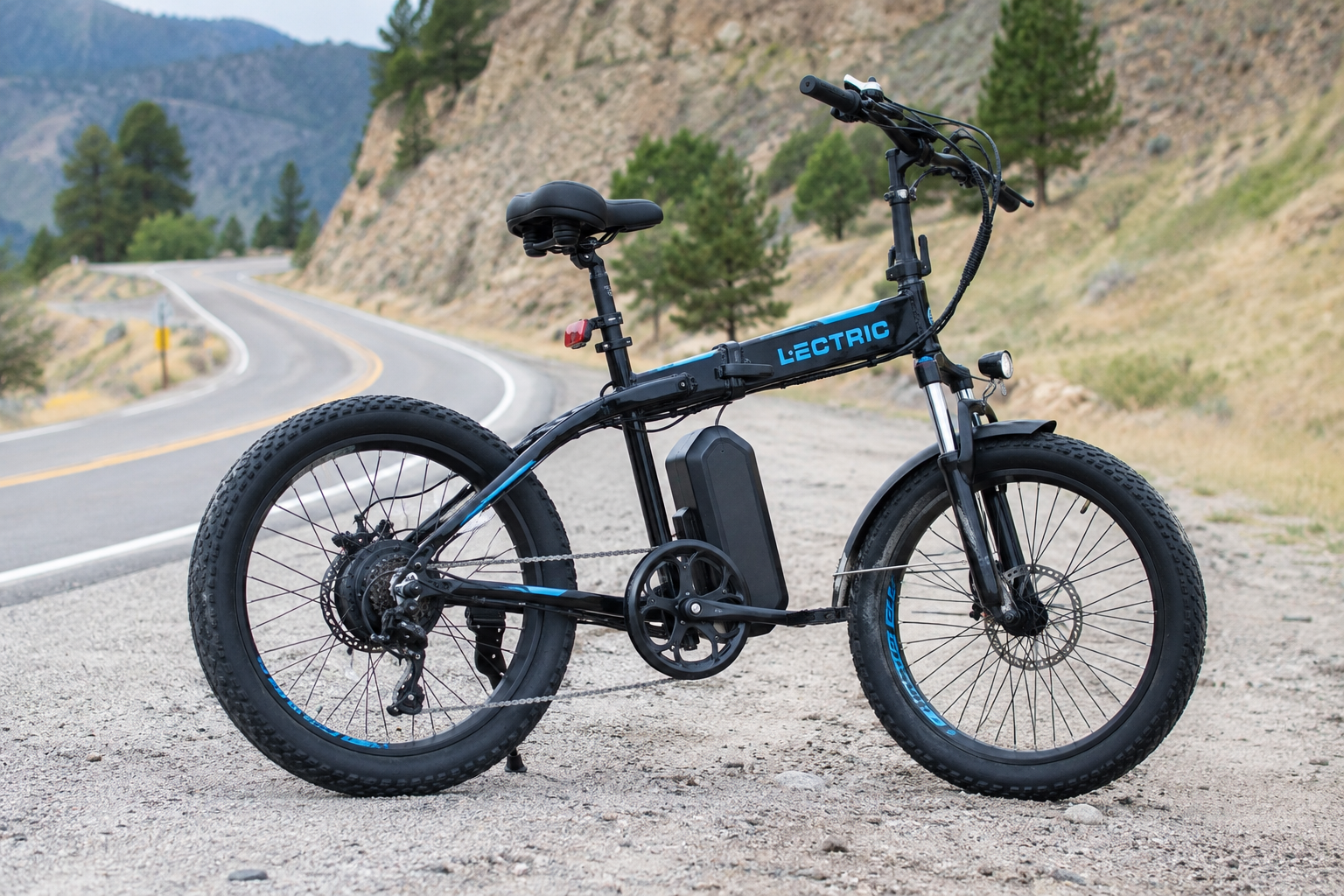
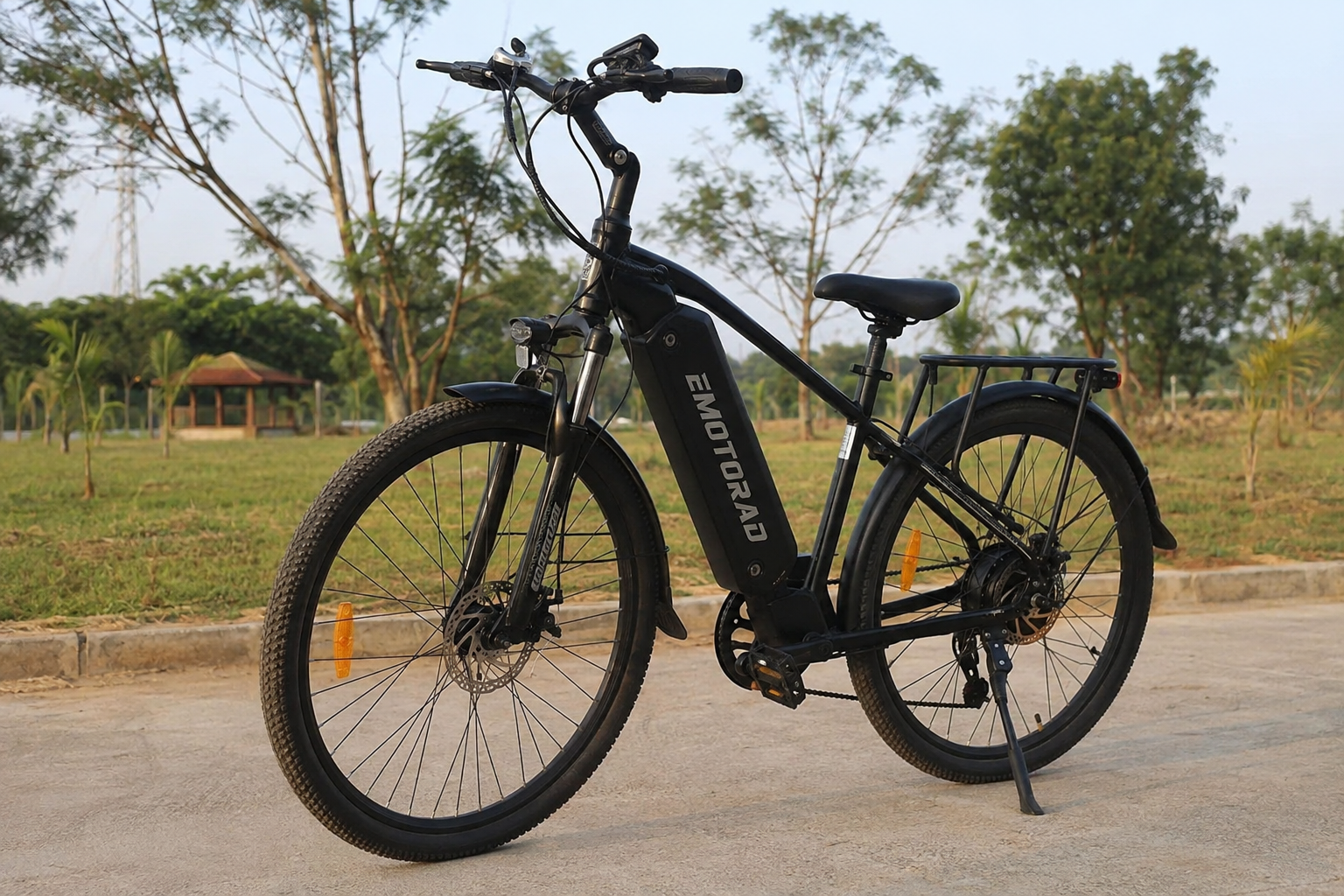
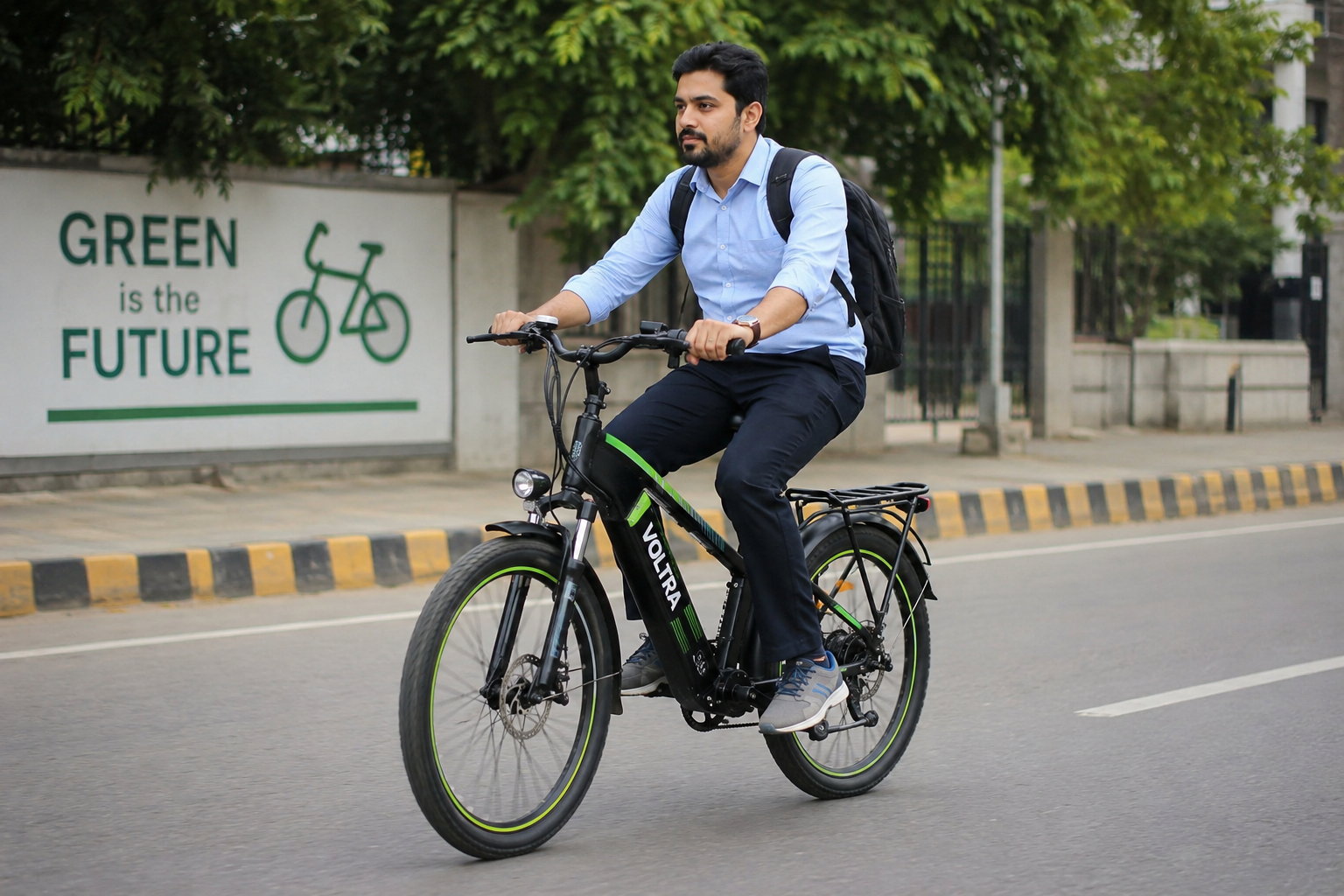
Electric bikes have become increasingly popular among people who want a simple, affordable, and convenient way to travel. They look similar to traditional bicycles, but they include an electric motor and battery that help the rider move with less effort. Whether you are traveling to work, going to college, shopping, or enjoying a weekend ride, an electric bike can make cycling easier and more comfortable.
Understanding what an electric bike is and how it works can help you decide whether it is the right transportation option for you. In this article, we will explain the main parts of an electric bike, how the electric motor works, how the battery provides power, and what makes electric bikes different from regular bicycles.
What Is an Electric Bike
An electric bike, commonly called an e bike, is a bicycle equipped with an electric motor that provides assistance while the rider is cycling. Unlike a motorcycle or scooter, an electric bike normally still requires the rider to pedal. The electric system simply gives additional power when needed.
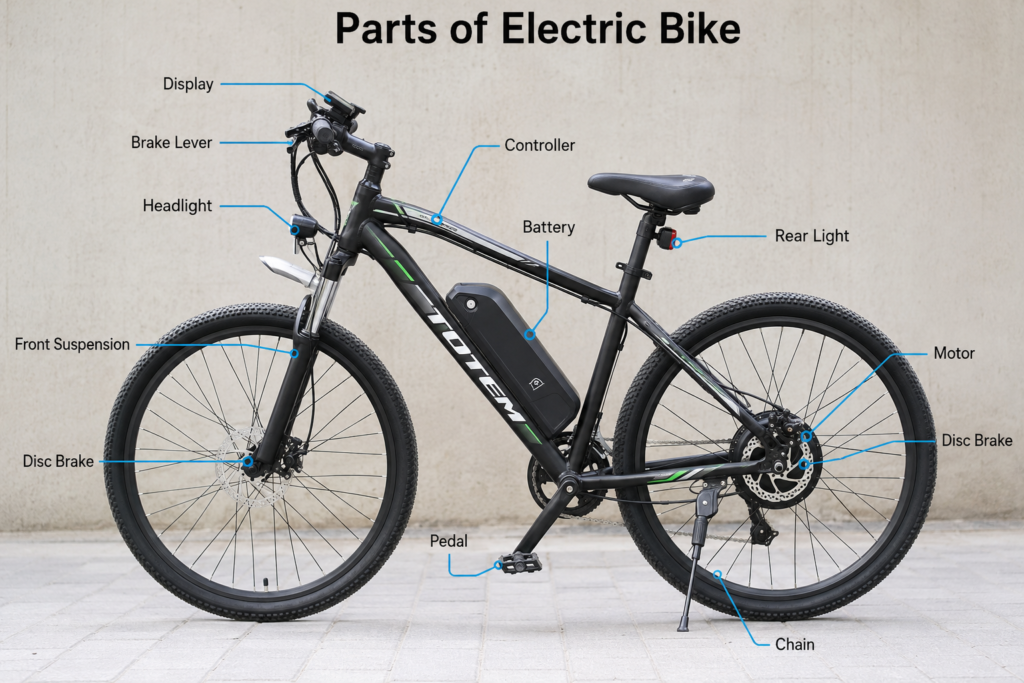
Most electric bikes include a rechargeable battery, electric motor, controller, sensors, display, and standard bicycle components such as pedals, wheels, brakes, and gears. The combination of these parts allows the bike to provide extra assistance while maintaining the basic riding experience of a bicycle.
Electric bikes are available in many different designs. Some are made for city commuting, while others are designed for mountain trails, long distance travel, folding transportation, or everyday use.
How Does an Electric Bike Work
The working process of an electric bike is relatively simple. When the rider starts pedaling, sensors detect the movement and send information to the controller. The controller then tells the electric motor how much power to provide.
The motor receives electricity from the rechargeable battery and uses that energy to help rotate the wheels. This assistance reduces the amount of physical effort needed from the rider.
Many electric bikes allow the rider to select different assistance levels. A low assistance setting may provide a small amount of motor power, while a higher setting can provide stronger assistance when climbing hills or traveling against the wind.
The rider can usually control these settings through a small display or control panel mounted on the handlebars.
Main Parts of an Electric Bike
An electric bike contains several important components. Each part has a specific job, and all of them work together to provide electric assistance.
Electric Motor
The electric motor is one of the most important parts of an electric bike. It provides the additional power that helps the bicycle move.
There are two common types of electric bike motors. These are hub motors and mid drive motors.
A hub motor is located inside one of the bicycle wheels, usually the front or rear wheel. It directly helps rotate the wheel when electric assistance is activated.
A mid drive motor is positioned near the pedals and bicycle crank. It provides power through the bicycle drivetrain. Mid drive systems are often preferred for climbing hills because they can work efficiently with the bike gears.
Battery
The battery stores electrical energy that powers the motor. Most modern electric bikes use rechargeable lithium ion batteries because they offer a good combination of energy capacity, weight, and durability.
The battery is usually attached to the frame, although some electric bikes have batteries integrated into the frame for a cleaner appearance.
Battery capacity affects how far an electric bike can travel on a single charge. A larger battery can generally provide more energy, although actual riding range also depends on factors such as rider weight, terrain, speed, weather, tire pressure, and assistance level.
Controller
The controller acts like the brain of the electric system. It manages the flow of electricity between the battery, motor, and other electrical components.
When the sensors detect that the rider is pedaling, the controller determines how much power the motor should receive. This helps create a smooth riding experience instead of delivering power randomly.
Pedal Assist Sensor
A pedal assist sensor detects when the rider is pedaling. Once pedaling is detected, the system activates the motor according to the selected assistance level.
Some electric bikes use cadence sensors, which mainly detect whether the pedals are moving. Other bikes use torque sensors, which measure how hard the rider is pushing the pedals.
Torque sensors can provide a more natural riding experience because the motor assistance can increase when the rider applies more pressure to the pedals.
Display
Many electric bikes have a small digital display on the handlebars. The display may show information such as battery level, speed, riding mode, distance, and estimated remaining range.
Depending on the model, the display may also allow the rider to change assistance levels and access other settings.
How Electric Bike Pedal Assist Works
Pedal assistance is one of the main features that makes an electric bike different from a regular bicycle. When the rider starts pedaling, the sensor detects the movement and activates the motor.
For example, imagine that you are riding up a steep hill. On a traditional bicycle, you need to use more physical strength to keep moving. With an electric bike, the motor provides additional power, making the hill easier to climb.
When you stop pedaling, the motor usually stops providing assistance. This means the rider remains in control of the bicycle throughout the journey.
Some electric bikes also include a throttle. A throttle can provide motor power without requiring continuous pedaling, depending on the design and local regulations. However, the availability and legal requirements for throttles vary by location.
How Long Does an Electric Bike Battery Last
Electric bike battery life can be considered in two ways. The first is how long the battery can power the bike during one ride. The second is how many charging cycles the battery can handle before its capacity begins to decrease significantly.
A single charge may provide enough energy for a short daily commute or a much longer recreational ride, depending on the battery and riding conditions.
Battery lifespan depends on factors such as charging habits, storage conditions, temperature, usage, and battery quality. Taking care of the battery can help maintain its performance for a longer period.
It is generally useful to follow the charging and storage instructions provided by the manufacturer.
How Far Can an Electric Bike Travel
The riding range of an electric bike depends on many factors. Battery capacity is important, but it is not the only factor.
Riding at high speeds usually consumes more energy. Steep hills also require more motor power. A heavier load can increase energy consumption, while strong winds can make the motor work harder.
Using a lower assistance level and maintaining proper tire pressure can help improve efficiency. Riders who plan longer journeys should also consider battery capacity and charging availability.
Because conditions vary, it is better to treat the advertised range of an electric bike as an estimate rather than a guaranteed distance.
Benefits of Electric Bikes
Electric bikes offer several advantages for everyday transportation. One major benefit is that they can make cycling easier. Riders can travel longer distances without becoming as tired as they might on a traditional bicycle.
Electric bikes can also be useful for people who live in areas with hills. Motor assistance makes climbing easier and can make cycling more practical for daily transportation.
Another benefit is convenience. Electric bikes are generally smaller than cars and can be easier to park in crowded areas.
They can also be useful for short trips where using a car may feel unnecessary. Commuting, shopping, visiting nearby locations, and recreational riding are common uses for electric bikes.
Electric Bike vs Regular Bicycle
A regular bicycle depends entirely on human power, while an electric bike combines human pedaling with motor assistance.
A traditional bicycle can be lighter and mechanically simpler. It does not require a battery or electric motor. An electric bike, however, can reduce physical effort and make longer or hillier journeys easier.
The right choice depends on the rider’s needs. People who enjoy physical exercise may prefer a traditional bicycle, while people looking for additional assistance may find an electric bike more practical.
Are Electric Bikes Easy to Maintain
Electric bikes require many of the same maintenance tasks as traditional bicycles. Tires should be properly inflated, brakes should be checked, chains should be cleaned and lubricated, and moving components should be inspected regularly.
The electrical system also needs proper care. The battery should be charged using the recommended charger, and electrical components should be protected according to the manufacturer’s instructions.
Regular maintenance can improve safety, performance, and the overall lifespan of an electric bike.
Is an Electric Bike Worth Buying
For many riders, an electric bike can be a practical transportation option. It can make cycling easier while still allowing the rider to pedal and remain active.
Before buying an electric bike, consider how you plan to use it. Think about your daily travel distance, road conditions, hills, storage space, battery capacity, motor type, comfort, and available charging options.
It is also important to choose a bike that fits your body and riding style. A comfortable seat, suitable frame size, reliable brakes, and good tires can make a significant difference in everyday use.
Conclusion
An electric bike is a bicycle that combines traditional cycling with electric motor assistance. Its main components include the battery, motor, controller, sensors, display, pedals, gears, and braking system. When the rider pedals, sensors detect the movement and the controller sends power from the battery to the motor.
This simple system can make cycling easier, especially on hills, during longer trips, or when carrying additional weight. Electric bikes are becoming an attractive option for commuting, recreation, shopping, and everyday transportation.
By understanding how an electric bike works, how its battery and motor provide assistance, and what factors affect its range, you can make a better decision when choosing an electric bike for your needs. With proper use and regular maintenance, an electric bike can provide a convenient and enjoyable way to travel.
