
Electric cars have become a popular choice for people who want cleaner and more efficient transportation. As concerns about air pollution, climate change, and rising fuel consumption continue to grow, many drivers are asking an important question: are electric cars better for the environment? The short answer is yes, electric cars can be better for the environment than traditional petrol and diesel cars, especially when they are charged using cleaner sources of electricity.
However, the environmental benefits of electric vehicles are not as simple as saying they produce zero pollution. Electric cars still require raw materials, energy, manufacturing, and electricity. Their batteries also have an environmental impact. To understand the real benefits, it is important to look at the complete life cycle of an electric car, from manufacturing to daily driving and eventually recycling.
Electric Cars Produce No Tailpipe Emissions
One of the biggest environmental benefits of electric cars is that they do not produce tailpipe emissions while driving. Traditional petrol and diesel cars burn fuel inside an engine. This process releases carbon dioxide, nitrogen oxides, and other pollutants into the air.
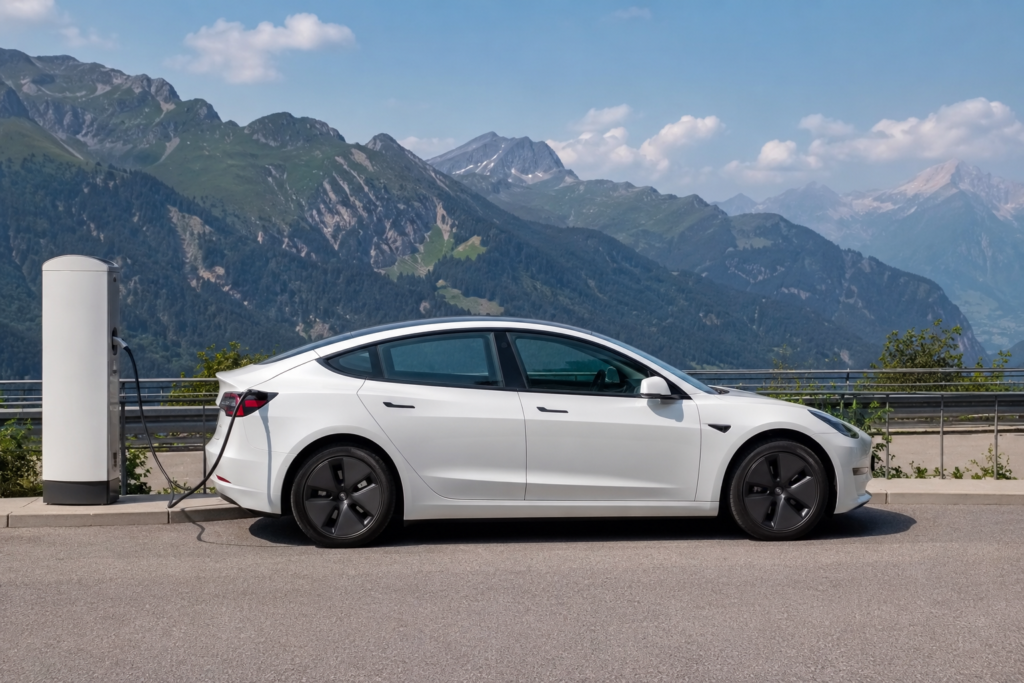
Electric cars use an electric motor powered by a rechargeable battery. Because there is no traditional combustion engine burning petrol or diesel, an electric car does not release exhaust gases from a tailpipe during normal operation.
This can make a major difference in cities where large numbers of vehicles contribute to poor air quality. Cleaner local air can be especially valuable in crowded urban areas where people live and work close to busy roads.
Electric Cars Can Reduce Carbon Emissions
Another important reason electric cars can be better for the environment is their potential to reduce greenhouse gas emissions. Petrol and diesel vehicles release carbon dioxide every time they burn fuel. Electric cars can also be responsible for carbon emissions, but these emissions usually come from electricity generation rather than from the vehicle itself.
The environmental advantage becomes stronger when an electric car is charged using renewable energy such as solar, wind, or hydropower. If the electricity comes mostly from cleaner sources, the overall carbon footprint of driving an electric car can be significantly lower.
Even when electricity comes partly from fossil fuels, electric vehicles can still offer environmental benefits because electric motors are highly efficient compared with combustion engines.
Electric Motors Are More Efficient
Electric cars are generally more efficient at converting energy into movement than petrol or diesel cars. A combustion engine loses a large amount of energy as heat during operation. An electric motor can use a much larger percentage of the energy stored in the battery to move the vehicle.
This high efficiency means less energy is wasted during everyday driving. Electric vehicles also use regenerative braking, which can recover some energy when the car slows down and send it back to the battery.
This combination of efficient electric motors and regenerative braking helps electric cars use energy more effectively. Over thousands of kilometers, this efficiency can contribute to a lower overall environmental impact.
Battery Production Has an Environmental Cost
Although electric cars have several environmental advantages, their batteries also create challenges. Electric vehicle batteries require materials such as lithium, nickel, cobalt, manganese, graphite, and other minerals.
Mining and processing these materials can require significant amounts of energy and water. Mining operations can also affect local ecosystems if they are not properly managed. This means an electric car is not completely free from environmental damage.
Battery production can create a larger environmental impact during the manufacturing stage compared with some conventional vehicles. However, this initial impact needs to be considered over the entire lifetime of the vehicle.
As battery technology improves and manufacturers develop better production methods, the environmental impact of battery manufacturing can continue to decrease.
What Happens to Electric Car Batteries?
Battery recycling is an important part of making electric vehicles more environmentally friendly. Electric car batteries are designed to last for many years, but eventually their performance may decrease.
An old battery does not necessarily become useless immediately. Batteries that are no longer ideal for vehicle use may sometimes be used for stationary energy storage. They can store electricity generated by solar panels or other renewable sources.
Battery recycling can also allow valuable materials to be recovered and used again. Better recycling systems can reduce the need for new mining and help create a more sustainable electric vehicle industry.
As the number of electric cars increases, battery recycling will become even more important.
Electricity Source Matters
The environmental benefits of electric cars depend partly on where their electricity comes from. An electric car charged with electricity generated mostly from renewable energy can have a much smaller carbon footprint than one charged from a grid that depends heavily on coal.
This does not mean electric cars are environmentally beneficial only when renewable energy is available. Electric vehicles can still improve energy efficiency and reduce direct pollution compared with combustion vehicles.
The cleaner the electricity grid becomes, however, the cleaner electric transportation can become. This is an important advantage because an electric car can benefit from improvements in the energy system without requiring the vehicle itself to be replaced.
Electric Cars Can Improve Urban Air Quality
Air pollution is a major environmental and public health concern in many cities. Cars, buses, trucks, and motorcycles can contribute to pollution through exhaust emissions.
Electric cars can help reduce local air pollution because they have no tailpipe emissions. This is particularly useful in busy areas where traffic is heavy and ventilation may be limited.
Electric cars are not completely pollution free because tires and brakes still produce particles. However, regenerative braking can reduce the use of traditional friction brakes in many driving situations. This can help reduce some brake related particle emissions.
Manufacturing Improvements Can Make Electric Cars Greener
The environmental impact of electric cars can also be reduced through better manufacturing methods. Car manufacturers are increasingly looking for ways to use recycled materials, improve factory efficiency, reduce waste, and use renewable energy in production.
Battery factories can also become more efficient over time. Improvements in battery chemistry can reduce dependence on certain raw materials and increase energy density.
A battery that stores more energy using fewer materials can potentially reduce the environmental impact associated with producing the battery.
These improvements show that electric vehicle technology is still developing. The environmental performance of future electric cars may be better than that of today’s models.
Electric Cars Compared With Petrol Cars
When comparing electric cars with petrol cars, it is important to consider the entire life cycle rather than only the manufacturing stage.
A petrol car usually has a lower manufacturing impact in some areas, but it continues producing emissions every time it is driven. It also requires a continuous supply of petrol, which involves extracting crude oil, transporting it, refining it, and delivering it to fuel stations.
An electric car requires more energy and resources during battery production, but it does not need petrol or diesel during operation. Instead, it uses electricity that can increasingly come from renewable sources.
Over many years of driving, these differences can make electric vehicles a more environmentally friendly option.
Are Electric Cars Completely Environmentally Friendly?
No, electric cars are not completely environmentally friendly. They still require metals, plastics, glass, electronics, energy, and other materials. Their batteries require mining and manufacturing processes that can affect the environment.
It is more accurate to say that electric cars can have a lower environmental impact than conventional petrol and diesel vehicles when their complete life cycle is considered.
The exact environmental benefit depends on several factors, including the size of the vehicle, battery size, electricity source, driving habits, manufacturing process, and how long the vehicle is used.
For this reason, choosing a reasonably sized electric vehicle and keeping it for many years can be a better environmental choice than frequently replacing vehicles.
How Drivers Can Make Electric Cars Even Greener
Electric car owners can take several simple steps to reduce their environmental impact. Charging with electricity generated from solar or other renewable sources is one of the best options.
Using an electric car efficiently can also help. Avoiding unnecessary trips, maintaining correct tire pressure, driving smoothly, and using public transportation when practical can reduce overall energy consumption.
Keeping an electric vehicle for a longer period can also spread the environmental cost of manufacturing over more years and kilometers.
Finally, responsible battery recycling at the end of the battery’s useful life is important for recovering valuable materials and reducing waste.
The Future of Electric Transportation
The future of electric transportation looks promising. Battery technology continues to improve, charging infrastructure is expanding, and renewable energy is becoming an increasingly important part of electricity generation in many regions.
Electric cars could become even more environmentally friendly as manufacturers improve battery production, increase recycling, use cleaner factories, and develop new battery technologies.
Governments and communities can also support cleaner transportation by expanding renewable energy, improving public charging networks, and encouraging efficient vehicles.
Electric cars are only one part of the solution to transportation related environmental problems. Walking, cycling, public transportation, car sharing, and reducing unnecessary travel can also play important roles.
Conclusion
So, are electric cars better for the environment? In most cases, yes. Electric cars can reduce tailpipe pollution, improve energy efficiency, and lower greenhouse gas emissions compared with traditional petrol and diesel vehicles. Their environmental benefits can become even greater as electricity grids use more renewable energy.
At the same time, electric cars are not completely free from environmental impact. Battery production, mining, manufacturing, electricity generation, and recycling all matter. The best way to understand an electric vehicle is to consider its entire life cycle.
Overall, electric cars represent an important step toward cleaner transportation. With better batteries, cleaner electricity, improved manufacturing, and stronger recycling systems, electric vehicles can become an even more sustainable choice for everyday driving.
