Related Articles
Choosing between an electric bike and a traditional bike can be difficult, especially when both options offer useful benefits for daily transportation, exercise, and outdoor travel. Electric bikes have become increasingly popular because they provide motor assistance and make cycling easier for many people. Traditional bikes, on the other hand, have been trusted for generations and remain a simple, affordable, and healthy way to travel.
The better choice depends on your lifestyle, budget, fitness goals, travel distance, and personal preferences. In this article, we will compare electric bikes and traditional bikes in detail to help you decide which one is right for you.
What Is an Electric Bike
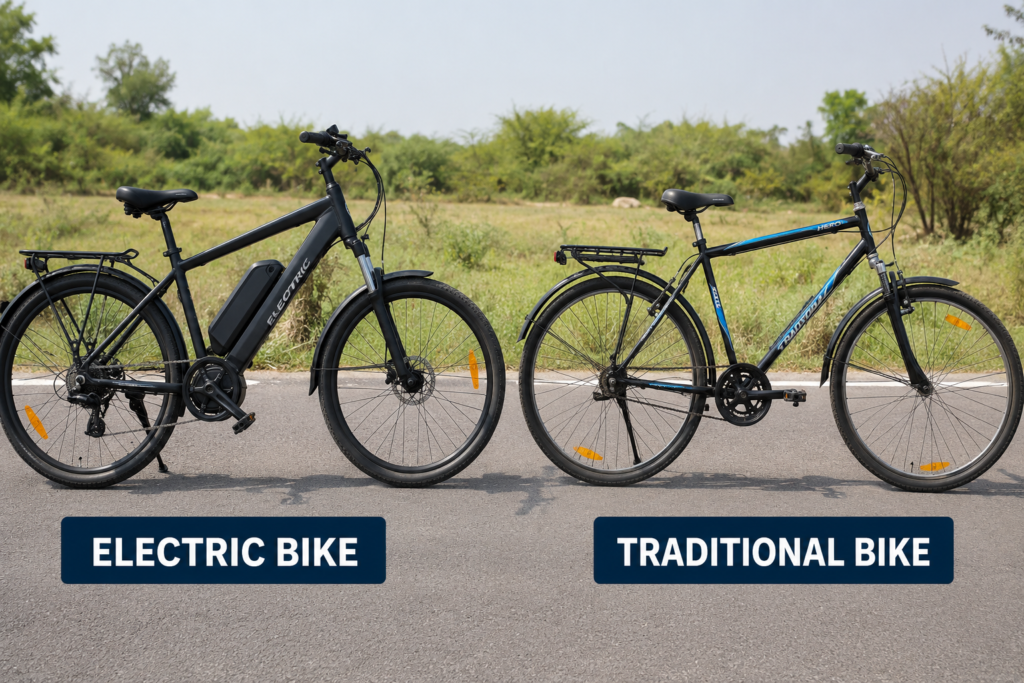
An electric bike, commonly called an e bike, is a bicycle equipped with an electric motor and rechargeable battery. The motor provides assistance while you pedal, allowing you to travel with less physical effort. Most electric bikes include different assistance levels, so riders can choose how much motor support they need.
Electric bikes are available in many styles, including city bikes, mountain bikes, folding bikes, and commuter bikes. Some models are designed for short daily trips, while others are built for longer journeys and rougher roads.
The main advantage of an electric bike is that it combines traditional cycling with electric assistance. You still pedal the bike, but the motor helps reduce the effort required, particularly when riding uphill or traveling long distances.
What Is a Traditional Bike
A traditional bike is powered entirely by the rider. It does not have an electric motor or battery, so your legs provide all the energy needed to move forward.
Traditional bikes come in many designs, including road bikes, mountain bikes, hybrid bikes, city bikes, and touring bikes. They are popular because they are simple to operate, easy to maintain, and generally less expensive than electric bikes.
For people who enjoy physical activity, traditional bikes can provide an excellent full body and cardiovascular workout. They are also useful for commuting, shopping, recreation, and short trips.
Electric Bike vs Traditional Bike for Exercise
Exercise is one of the biggest differences between an electric bike and a traditional bike. A traditional bicycle usually requires more physical effort because the rider must provide all the power.
This can make traditional cycling an excellent choice for people who want to improve their cardiovascular fitness, strengthen their legs, and burn more calories. The amount of exercise depends on speed, distance, terrain, and riding intensity.
An electric bike can also provide exercise because most electric bikes require pedaling. However, motor assistance reduces the amount of effort needed. Riders can adjust the assistance level according to their needs.
For maximum physical effort, a traditional bike may be the better option. For people who want moderate exercise while making cycling easier, an electric bike can be a great choice.
Electric Bike vs Traditional Bike for Commuting
For daily commuting, an electric bike can have several advantages. Motor assistance makes it easier to travel longer distances without becoming extremely tired. This can be especially helpful when commuting through hilly areas or when carrying a bag.
Another benefit is that electric bikes can make cycling more practical for people who do not have a high fitness level. Riders can arrive at work with less physical exhaustion while still enjoying the advantages of cycling.
Traditional bikes are also excellent for commuting, especially for short distances. They do not require charging and can be ready to use whenever needed.
If your daily commute is short and relatively flat, a traditional bike may be enough. If you regularly travel longer distances or face hills, an electric bike may provide greater comfort.
Cost of Electric Bikes and Traditional Bikes
Price is another important factor when comparing electric bikes and traditional bikes. Traditional bikes are generally more affordable because they have fewer mechanical and electrical components.
A traditional bicycle does not require a battery, motor, charger, or electronic control system. This can make the initial purchase price lower and maintenance simpler.
Electric bikes usually cost more because of their motor, battery, electronics, and additional components. Battery replacement can also become an expense after several years of use.
However, an electric bike can still provide good long term value for people who use it regularly instead of a car or other motor vehicle. Lower transportation costs can help balance the higher purchase price over time.
Maintenance and Repairs
Traditional bikes are relatively simple to maintain. Common maintenance tasks include checking tire pressure, adjusting brakes, lubricating the chain, and replacing worn parts.
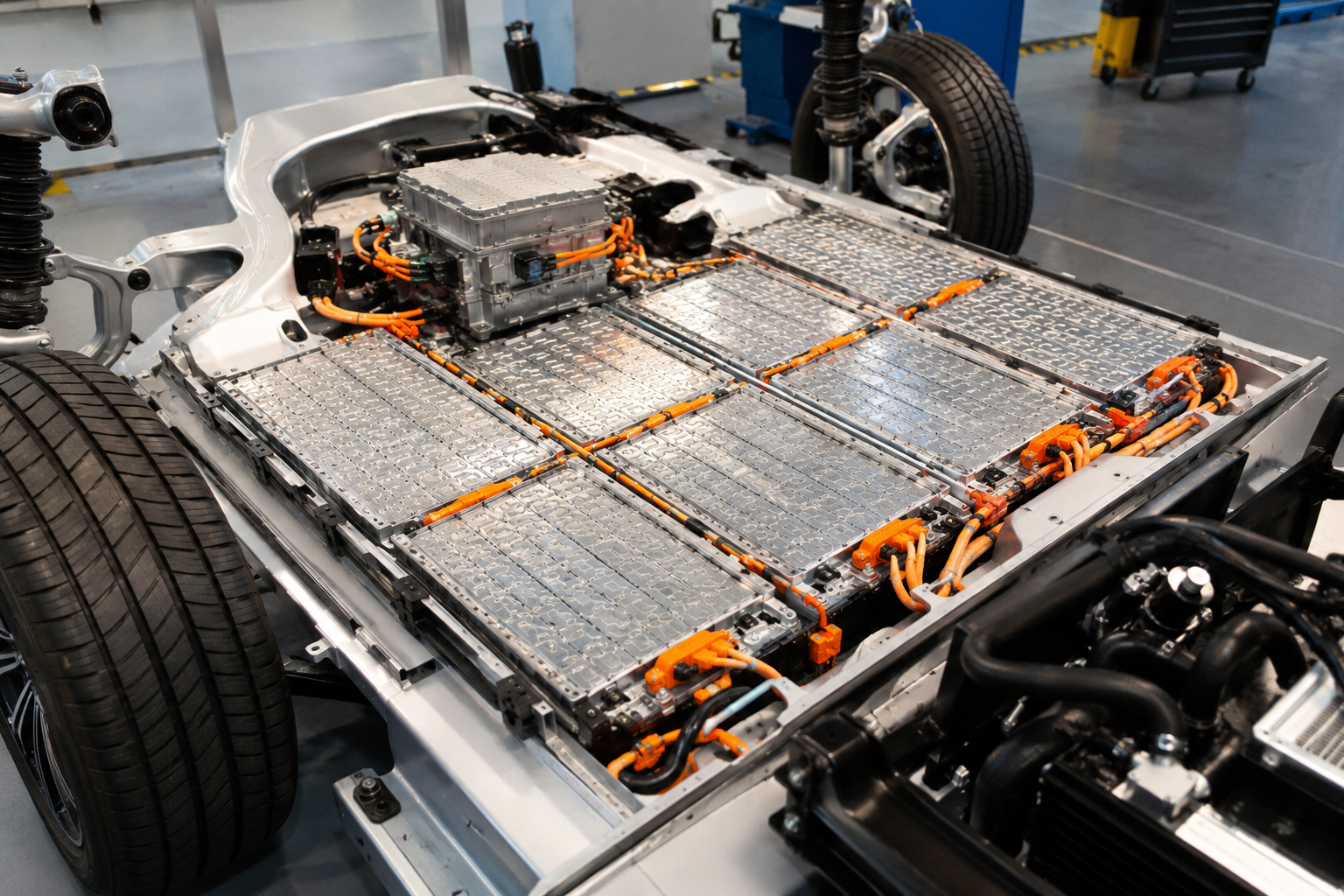
Electric bikes require many of the same maintenance tasks, but they also have electrical components that need attention. The battery, motor, display, wiring, and electronic controls can require specialized service if something goes wrong.
This means traditional bikes are usually easier and cheaper to repair. Electric bikes may require a qualified technician for certain electrical or motor related problems.
If simplicity is important to you, a traditional bike has a clear advantage.
Battery and Charging
One major difference between an electric bike and a traditional bike is the need for charging. Electric bikes use rechargeable batteries, which means riders need access to electricity.
Depending on the battery, riding conditions, assistance level, and bike design, the riding range can vary significantly. Riders need to remember to charge the battery before longer trips.
Traditional bikes do not have this limitation. You can ride a traditional bicycle whenever you want without worrying about battery percentage or charging time.
For people who prefer complete independence from electricity, a traditional bike is more convenient.
Speed and Travel Distance
Electric bikes can make longer rides easier because the motor provides additional assistance. This does not mean every electric bike is faster than every traditional bike, but electric assistance can make it easier to maintain a comfortable speed with less physical effort.
Traditional bikes can also cover long distances, especially when ridden by experienced cyclists. However, longer rides can require more physical energy.
For casual riders and commuters, an electric bike may make longer journeys feel more manageable. Traditional bikes can be better for cyclists who enjoy challenging themselves physically.
Environmental Benefits
Both electric bikes and traditional bikes are environmentally friendly alternatives to many cars and motorcycles.
Traditional bikes have almost no direct energy consumption during use because they are powered by the rider. They do not require fuel or electricity.
Electric bikes also produce no exhaust emissions while being ridden. However, they require electricity for charging and use batteries that require responsible manufacturing, recycling, and disposal.
Both options can help reduce dependence on fuel powered transportation. Choosing either type of bicycle for short trips can contribute to lower traffic and reduced transportation emissions.
Comfort and Ease of Riding
Comfort is another area where electric bikes can have an advantage. Motor assistance reduces the physical effort required, particularly when climbing hills or traveling against strong wind.
This can make cycling more accessible to older riders, beginners, and people who may struggle with intense physical effort.
Traditional bikes provide a more direct cycling experience. Some riders enjoy the physical challenge and connection with the road that comes from riding without motor assistance.
The best choice depends on whether you prioritize easier riding or greater physical involvement.
Which Bike Is Better for Beginners
For beginners, an electric bike can be easier to use because the motor assistance helps reduce physical strain. New riders may find it easier to travel farther without feeling exhausted.
However, beginners should still learn basic cycling skills, traffic awareness, braking, turning, and safe riding practices.
Traditional bikes are also excellent for beginners because their design is simple and straightforward. Learning on a traditional bike can help riders develop strong cycling skills and physical confidence.
Which Bike Is Better for Fitness Goals
If your primary goal is fitness, a traditional bike may be the better choice. Since all movement comes from the rider, it can provide a stronger workout when riding at higher intensity.
An electric bike can still support an active lifestyle. Riders can reduce motor assistance when they want more exercise and increase assistance when they need help.
For this reason, an electric bike can be a flexible option for people who want transportation and exercise in the same activity.
Which Bike Is Better for Daily Use
For everyday use, both types of bikes can be excellent. The right option depends on how and where you plan to ride.
A traditional bike may be ideal for short trips, exercise, simple transportation, and riders who want low purchase and maintenance costs.
An electric bike may be better for longer commutes, hilly routes, frequent transportation, and people who want to reduce the effort required for cycling.
Think about your daily routine before making a purchase. Consider your average travel distance, road conditions, storage space, budget, and fitness goals.
Final Verdict
So, which is better, an electric bike or a traditional bike? There is no single answer for everyone.
A traditional bike is usually better for people who want affordable transportation, simple maintenance, physical exercise, and a lightweight cycling experience. It does not need charging and can be used whenever you want.
An electric bike is better for riders who want easier commuting, longer rides, hill assistance, and a more comfortable cycling experience. It can make cycling accessible to people who might otherwise avoid riding because of distance or physical effort.
Ultimately, the best bike is the one that fits your lifestyle and encourages you to ride regularly. If you want maximum simplicity and exercise, choose a traditional bike. If you want extra assistance and easier long distance travel, an electric bike may be the better choice.
Both electric bikes and traditional bikes offer an affordable and practical way to travel while reducing dependence on cars. By considering your budget, riding habits, fitness goals, and daily transportation needs, you can choose the bike that provides the greatest value and enjoyment for your lifestyle.
