
Related Articles
Electric cars are becoming more popular because they offer lower running costs, quiet driving, and a cleaner alternative to traditional petrol and diesel vehicles. One of the most important parts of an electric car is its battery. The battery stores the energy needed to power the electric motor, and its condition can have a major effect on driving range, performance, and the overall value of the vehicle.
Many electric car owners ask how to improve electric car battery life and keep the battery working efficiently for many years. The good news is that simple daily habits can help reduce battery wear. Proper charging, sensible driving, temperature management, and regular vehicle care can all help extend the useful life of an electric car battery.
Understand How Electric Car Batteries Work
Most modern electric cars use lithium ion batteries. These batteries are designed to handle many charging and discharging cycles, but their capacity naturally decreases over time. This process is called battery degradation.
Battery degradation does not mean that the battery suddenly stops working. Instead, the battery gradually stores slightly less energy than it did when the car was new. For example, an older battery may provide less driving range after a full charge compared with its original capacity.
Understanding this natural process is important because the goal is not to prevent degradation completely. The goal is to slow it down as much as reasonably possible through good charging and driving habits.
Avoid Charging to 100 Percent Every Day
One of the simplest ways to improve electric car battery life is to avoid keeping the battery at a very high charge level for long periods. Charging to 100 percent can be useful before a long journey, but regularly charging to full capacity when you do not need the extra range may increase battery stress.
For everyday driving, many electric car manufacturers recommend using a moderate charging range. Depending on the vehicle and battery chemistry, keeping the battery somewhere around the middle of its available capacity can help reduce unnecessary stress.
However, always check your vehicle manual because recommended charging limits can differ between electric car models and battery types.
Do Not Regularly Let the Battery Reach Very Low Levels
Just as keeping the battery at 100 percent for long periods may not be ideal, repeatedly allowing the battery to become extremely low can also increase stress.
Try to recharge your electric car before the battery reaches a very low percentage whenever practical. You do not need to charge every time the battery drops slightly, but avoiding frequent deep discharges can be a useful habit for long term battery care.
A balanced charging routine is generally better than repeatedly going from nearly empty to completely full.
Use Fast Charging When You Need It
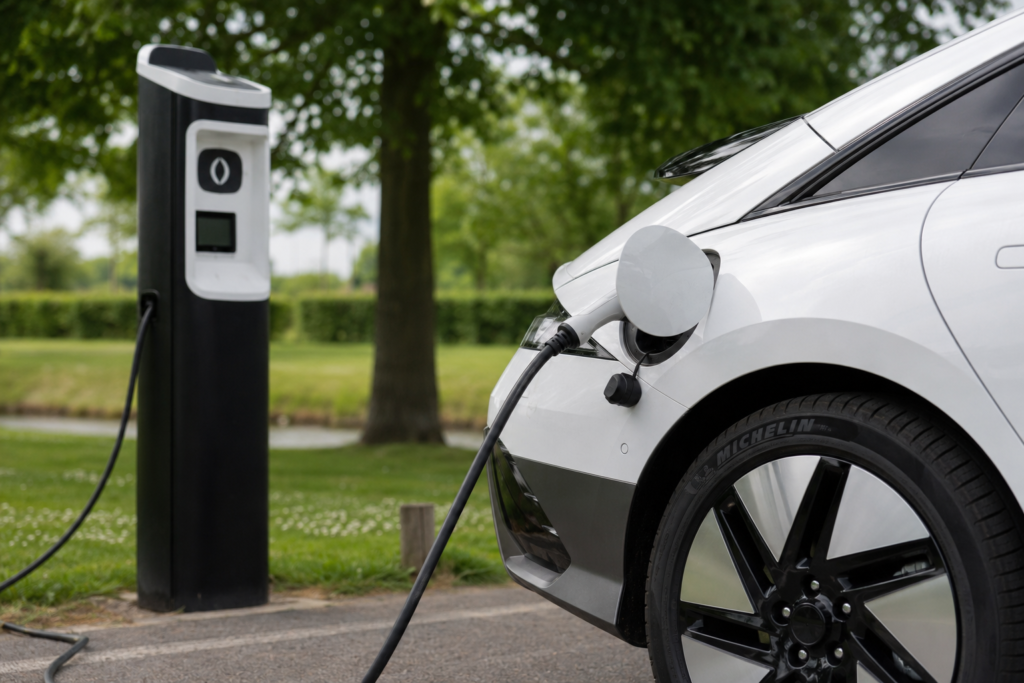
Fast charging is one of the most useful features of modern electric cars. It allows drivers to add a significant amount of range in a relatively short time, making long distance travel much easier.
However, frequent high power charging can create more heat and stress compared with slower charging. For this reason, it is sensible to use fast charging when it is convenient or necessary, while using slower home charging for regular daily charging when possible.
This does not mean that you should completely avoid fast chargers. Electric cars are designed to support them. The main idea is to use the charging method that fits your situation instead of relying on high speed charging for every charging session.
Keep the Battery at a Comfortable Temperature
Temperature has a major influence on electric car battery performance and longevity. Extremely high and extremely low temperatures can affect battery efficiency and charging performance.
During very hot weather, parking in a shaded or covered location can help reduce exposure to extreme heat. During very cold weather, keeping the vehicle plugged in when appropriate and using the car’s built in battery temperature management system can help.
Many modern electric cars have battery thermal management systems that automatically control battery temperature. These systems are designed to protect the battery and maintain better performance.
Avoid Extreme Heat Whenever Possible
High temperatures can accelerate battery aging. If an electric car is regularly exposed to intense heat for long periods, the battery may experience additional stress.
When possible, park your electric car in a garage, covered parking area, or shaded location during very hot weather. If those options are not available, following the manufacturer’s recommendations for charging and battery care becomes even more important.
Using the vehicle’s climate control features responsibly can also help manage cabin temperature without unnecessarily stressing the battery.
Drive Smoothly
Driving style can also influence electric car efficiency. Rapid acceleration, aggressive driving, and frequent hard braking can increase energy consumption.
Smooth acceleration and steady speeds can reduce energy use and help you travel farther on the same battery charge. Regenerative braking can also recover some energy when the vehicle slows down.
This does not mean you must drive extremely slowly. Instead, avoid unnecessary aggressive acceleration and maintain a consistent driving style whenever traffic conditions allow.
Efficient driving is useful not only for electric car battery life but also for improving your everyday driving range.
Use Regenerative Braking Properly
Regenerative braking is a major advantage of electric vehicles. When the vehicle slows down, the electric motor can work as a generator and send some energy back into the battery.
Using regenerative braking can reduce the need for traditional friction brakes and improve overall energy efficiency. Many electric cars allow drivers to select different levels of regenerative braking.
The best setting depends on the vehicle and the driver’s preference. Learning how regenerative braking works and using it smoothly can make driving more efficient.
Do Not Leave the Car at a High Charge for a Long Time
If you are going on vacation or leaving your electric car unused for several weeks, battery storage becomes important. Leaving the battery at a very high or very low charge level for an extended period is generally not ideal.
Before storing an electric car, check the manufacturer’s recommended storage charge level. Many manufacturers recommend leaving the battery somewhere around the middle of its capacity rather than completely full or nearly empty.
If the vehicle will remain unused for a long time, follow the specific instructions in the owner’s manual.
Follow the Manufacturer’s Charging Recommendations
Every electric car is slightly different. Battery chemistry, charging systems, software, and thermal management technology can vary between manufacturers and models.
Because of this, one of the best ways to improve electric car battery life is to follow the instructions provided by the manufacturer. The owner’s manual may include specific recommendations about charging limits, fast charging, long term storage, and battery maintenance.
Modern electric vehicles use sophisticated battery management systems that monitor temperature, voltage, charging, and other conditions. Keeping the vehicle’s software updated can also be helpful because manufacturers sometimes improve battery management through software updates.
Maintain the Entire Vehicle
Battery health is important, but the rest of the vehicle should also be maintained properly. Correct tire pressure, wheel alignment, brake condition, cooling systems, and software can all affect efficiency.
Underinflated tires can increase rolling resistance and require more energy to move the vehicle. Regularly checking tire pressure according to the manufacturer’s recommendations can therefore improve efficiency.
Scheduled servicing can also help identify problems before they become more serious.
Plan Long Trips Carefully
Long distance driving can require more frequent charging, especially when using high speed chargers. Planning your journey in advance can help you avoid unnecessary charging stress and improve overall efficiency.
Use navigation systems and charging apps to identify suitable charging locations along your route. Avoid arriving at a charger with an extremely low battery whenever possible.
During long trips, charging only as much as you need to reach the next suitable charging location can sometimes be more efficient than waiting for a completely full battery.
Avoid Unnecessary Battery Stress
Several small habits can make a difference over the long term. Avoid repeatedly performing extreme acceleration when it is not necessary. Do not leave the vehicle sitting at a very high or very low charge for extended periods. Protect the vehicle from extreme temperatures when practical and use the recommended charging settings.
The most important point is consistency. You do not need to worry about every individual charging session. Battery degradation happens gradually, and sensible habits over thousands of miles are more important than one occasional fast charge or one full charge.
Monitor Battery Performance
Modern electric cars provide useful information about energy consumption and battery performance. Pay attention to changes in driving range, charging behavior, and energy efficiency.
A gradual reduction in range is normal as the battery ages. However, if you notice an unusual change in battery performance, charging speed, or estimated range, it may be worth contacting an authorized service center.
Regular monitoring can help you understand how your battery is performing and identify possible problems early.
Conclusion
Learning how to improve electric car battery life does not require complicated maintenance. Simple habits can help reduce unnecessary battery stress and support long term performance.
Avoid keeping the battery at extremely high or low charge levels for extended periods, use fast charging when necessary, take advantage of slower charging for everyday use, protect the vehicle from extreme temperatures, and drive smoothly. Regular vehicle maintenance and following the manufacturer’s recommendations are equally important.
Electric car batteries are built to last for many years, and modern battery management systems provide additional protection. By developing sensible charging and driving habits, electric car owners can help maintain battery capacity, preserve driving range, and get more value from their electric vehicles over the long term.
The best approach is to treat the battery as an important part of the vehicle rather than something that needs constant attention. With regular care and responsible charging habits, an electric car battery can continue providing reliable performance for a long time.