Related Articles

Electric cars are becoming a popular choice for people who want a cleaner, quieter, and more convenient way to travel every day. As technology continues to improve, electric vehicles are no longer limited to early adopters or people interested in new technology. They are becoming practical options for daily commuting, shopping, family trips, and general transportation.
The benefits of electric cars for everyday driving include lower running costs, reduced emissions, smooth performance, less maintenance, and a more comfortable driving experience. For many drivers, an electric car can make daily travel easier while also helping reduce the environmental impact of transportation.
Lower Daily Driving Costs
One of the biggest benefits of electric cars is the potential to reduce everyday driving expenses. Electric vehicles use electricity instead of gasoline or diesel, and charging an electric car at home can often be less expensive than regularly purchasing fuel.
Drivers who travel to work every day can benefit significantly from lower energy costs. Instead of visiting a fuel station several times a month, an electric car owner can plug the vehicle in at home and start the next day with a charged battery.
The actual savings depend on local electricity and fuel prices, vehicle efficiency, driving habits, and charging options. However, for many people, lower energy costs are an important reason to consider an electric vehicle.
Reduced Environmental Impact
Electric cars can help reduce pollution from everyday transportation. Unlike conventional gasoline cars, fully electric vehicles do not produce exhaust emissions while driving. This can help improve local air quality, especially in busy urban areas where large numbers of vehicles travel every day.
Electric cars can also produce fewer total greenhouse gas emissions over their lifetime compared with conventional vehicles, although the exact benefit depends on how the electricity used for charging is generated.
As electricity systems include more renewable energy sources, the environmental benefits of electric vehicles can become even greater. This makes electric cars an attractive choice for drivers who want to make more environmentally responsible transportation decisions.
Easy Home Charging
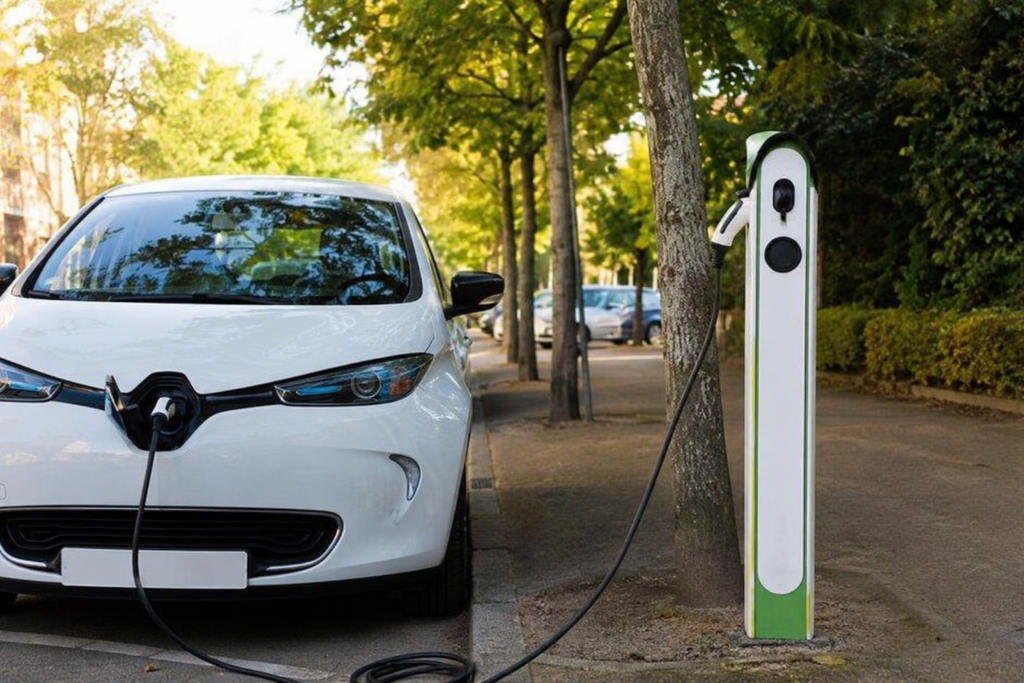
Another major benefit of electric cars is the convenience of home charging. Many electric vehicle owners can charge their cars overnight while the vehicle is parked.
This means there is often no need to make a special trip to a fuel station. A driver can return home after work, connect the car to a charger, and have the vehicle ready for the next day.
Home charging can be particularly convenient for people who have predictable daily driving routines. Workplace charging and public charging stations can provide additional options when home charging is not available or when a longer trip requires extra energy.
Less Maintenance
Electric cars generally have fewer mechanical components than traditional gasoline vehicles. A conventional car has an engine, transmission, exhaust system, fuel system, and many other components that require regular maintenance.
A fully electric car does not need engine oil changes, spark plug replacements, or many other engine related services. Electric vehicles also use regenerative braking, which can reduce wear on traditional brake components.
This does not mean electric cars require no maintenance. Tires, brakes, suspension components, cooling systems, and other parts still need attention. Battery health and manufacturer recommended service should also be considered. However, the simpler electric powertrain can reduce some routine maintenance requirements.
Smooth and Quiet Driving
Electric cars offer a different driving experience because electric motors deliver power smoothly and quietly. There is no traditional engine noise during normal electric driving, which can make city travel more peaceful.
The smooth power delivery is especially useful in traffic. Drivers can accelerate without the gear changes commonly experienced in vehicles with conventional automatic or manual transmissions.
The quieter cabin can also make conversations and entertainment more enjoyable. For people who spend a significant amount of time commuting, a calm driving environment can make daily journeys feel more comfortable.
Quick Acceleration
Many electric cars provide strong acceleration because electric motors can deliver substantial torque quickly. This can make merging onto roads, moving through traffic, and entering highways feel responsive.
Not every electric car is designed as a performance vehicle, but even practical electric models can offer quick and predictable acceleration. This responsive behavior can make everyday driving more enjoyable without requiring aggressive driving.
Regenerative Braking
Regenerative braking is another useful feature of electric vehicles. When the driver slows down, the electric motor can work as a generator and recover some energy that would otherwise be lost as heat through conventional braking.
The recovered energy can be sent back to the battery. Regenerative braking can also provide a smooth driving experience, especially in stop and go traffic.
Some electric vehicles offer different levels of regenerative braking, allowing drivers to choose how strongly the car slows when they release the accelerator. With experience, drivers can learn to use this feature effectively during everyday journeys.
Convenient City Driving
Electric cars can be particularly useful for urban driving. City journeys often involve frequent stops, traffic lights, and slow moving traffic. Electric motors perform efficiently in these conditions because they do not need to idle like traditional gasoline engines.
The smooth acceleration and regenerative braking can make repeated stops and starts easier. Electric vehicles are also available in different sizes, including compact models that can be practical for crowded city streets and parking areas.
For people who mainly drive short or medium distances each day, modern electric cars can provide enough range for routine transportation without requiring frequent public charging.
Lower Noise in Urban Areas
Traffic noise is a common problem in busy cities. Electric cars can contribute to lower road noise because they do not have conventional engine and exhaust noise during normal operation.
At higher speeds, tire and wind noise still remain, so electric vehicles do not make roads completely silent. However, the reduction in powertrain noise can make a noticeable difference, particularly at lower speeds.
A quieter transportation system can contribute to a more comfortable environment for drivers, passengers, pedestrians, and people living near busy roads.
Modern Technology and Features
Electric cars often come with modern technology designed to improve convenience and efficiency. Depending on the model, drivers may find smartphone connectivity, navigation systems, charging schedules, energy monitoring, driver assistance features, and remote vehicle controls.
Many electric vehicles allow owners to check battery levels or charging status through a mobile application. Some models also allow charging to be scheduled for certain times.
These technologies can help drivers manage their daily transportation more easily. However, technology features vary between manufacturers and models, so buyers should compare the features that are actually useful for their lifestyle.
Good Choice for Daily Commuting
For people who drive a similar distance every day, an electric car can be a practical commuting vehicle. Daily commuting usually follows a predictable pattern, making it easier to plan charging and energy use.
A driver may leave home with a full battery, travel to work, complete other daily activities, and return home with enough remaining range. Charging overnight can then prepare the vehicle for the following day.
The suitability of an electric car depends on the person’s driving distance, access to charging, climate, vehicle range, and local charging infrastructure. Understanding these factors before buying is important.
Growing Charging Infrastructure
Public charging infrastructure continues to expand in many regions. Fast charging stations can be useful for drivers who need additional range during longer journeys.
Charging speeds vary considerably between vehicles and charging stations. Some stations can add a significant amount of range in a relatively short period, while slower chargers are better suited to longer parking periods.
As more charging locations become available, electric vehicle ownership can become easier for people who regularly travel outside their normal daily routes.
Long Term Financial Benefits
Electric cars can offer financial benefits beyond fuel savings. Lower routine maintenance costs may help reduce ownership expenses over time. Some regions also provide incentives for electric vehicle purchases, charging equipment, or other clean transportation programs.
However, buyers should consider the complete cost of ownership rather than focusing only on fuel savings. Purchase price, insurance, financing, charging equipment, electricity costs, depreciation, and maintenance should all be included when comparing an electric car with a gasoline vehicle.
Final Thoughts
The benefits of electric cars for everyday driving make them an increasingly practical option for modern transportation. Lower energy costs, reduced exhaust emissions, convenient home charging, less routine maintenance, quiet operation, smooth acceleration, and regenerative braking can all improve the daily driving experience.
Electric cars are especially attractive for people who have predictable commuting routines and convenient access to charging. At the same time, drivers who regularly take long trips should carefully consider vehicle range and public charging availability before making a purchase.
As battery technology, charging infrastructure, and electric vehicle choices continue to improve, electric cars are likely to become an even more common part of everyday transportation. For drivers looking for a convenient and efficient alternative to traditional vehicles, an electric car can offer a combination of comfort, technology, and practical long term benefits.