
Related Articles
Electric cars are becoming more popular every year because they offer a cleaner and quieter way to travel. One of the most common questions people ask before buying an electric vehicle is how long the battery will last. Since the battery is one of the most important and expensive parts of an electric car, understanding its lifespan can help buyers make a better decision.
In general, an electric car battery can last between 8 and 15 years, depending on the vehicle, battery technology, driving habits, climate, charging methods, and regular maintenance. Many modern electric car batteries are designed to remain useful for hundreds of thousands of miles before their capacity drops significantly.
What Is an Electric Car Battery
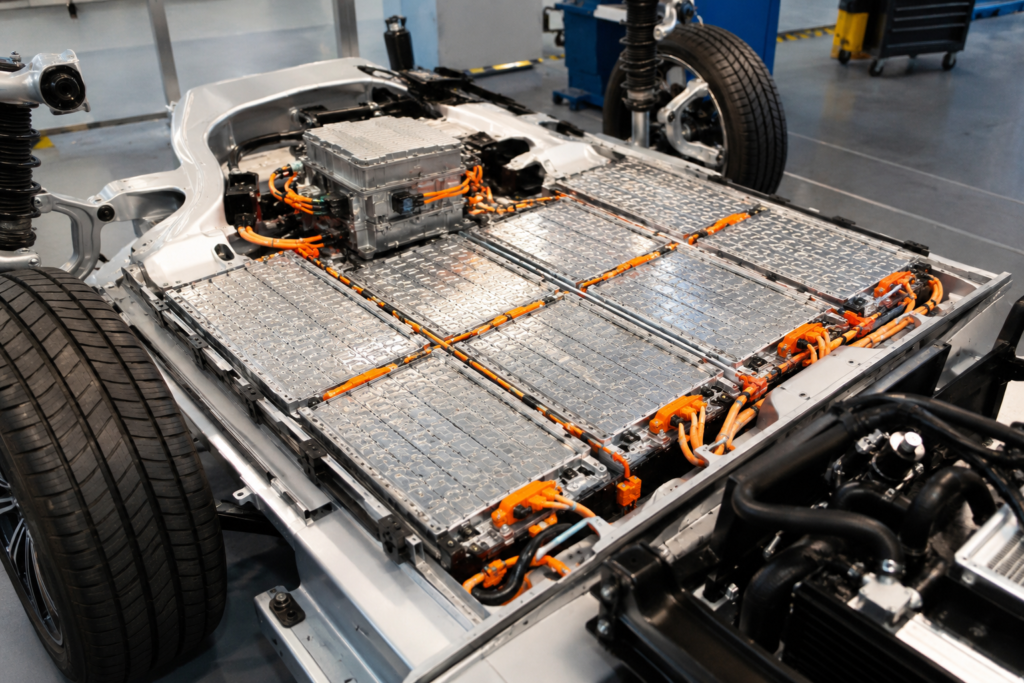
An electric car battery is a rechargeable energy storage system that powers the electric motor. Most modern electric vehicles use lithium ion battery technology. The battery contains many individual cells that work together to store and deliver electricity.
Unlike a traditional gasoline car that uses a fuel tank, an electric car depends on its battery for energy. As the vehicle is driven, the stored electricity is used by the motor. When the battery becomes low, it can be recharged using a home charger, public charging station, or another compatible charging system.
The battery does not usually stop working suddenly after a certain number of years. Instead, its capacity slowly decreases over time. This means an electric car that originally had a driving range of 300 miles might provide a lower range after many years of use.
Average Electric Car Battery Lifespan
The average electric car battery lifespan is commonly estimated at around 8 to 15 years. However, the actual lifespan can be shorter or much longer depending on how the vehicle is used.
Many manufacturers provide battery warranties lasting around 8 years or a specific mileage limit. These warranties often cover battery capacity falling below a certain level during the warranty period.
For example, some electric car manufacturers guarantee that the battery will retain at least a certain percentage of its original capacity during the warranty period. This gives buyers additional confidence when purchasing an electric vehicle.
It is important to understand that a battery reaching the end of its warranty does not mean that it suddenly becomes useless. An electric car battery can continue working for many years after the warranty expires.
How Many Miles Can an Electric Car Battery Last
Mileage is another useful way to understand electric car battery life. Many electric vehicle batteries can potentially last between 100,000 and 200,000 miles or more.
Some batteries may continue to operate beyond 200,000 miles while still providing useful performance. The exact mileage depends heavily on battery chemistry, charging habits, weather conditions, driving style, and how frequently the vehicle is used.
Battery technology is also improving. Newer electric cars are being designed with better thermal management systems and improved battery chemistry. These developments can help batteries maintain their capacity for longer periods.
What Causes Battery Degradation
Battery degradation is the gradual loss of battery capacity. It is normal and happens with almost every rechargeable battery.
When an electric car is new, its battery can store a certain amount of energy. After years of charging and discharging, the battery may not be able to store the same amount of energy as it did when new.
For example, a battery that originally provided a driving range of 300 miles might eventually provide 250 or 270 miles under similar conditions. The vehicle can still be useful, but the owner may need to charge it more often.
Battery degradation is influenced by several factors, including charging frequency, temperature, driving habits, and battery age.
Effect of Fast Charging on Battery Life
Fast charging is convenient because it can add a significant amount of energy to an electric car battery in a relatively short time. However, frequent use of high power charging can create more heat and stress on the battery.
This does not mean that fast charging should never be used. Modern electric vehicles are designed to support fast charging and include battery management systems to protect the battery.
For everyday charging, many owners prefer slower home charging because it is convenient and can be gentler on the battery. Fast charging is particularly useful during long trips when saving time is important.
How Temperature Affects Electric Car Batteries
Temperature can have a major effect on electric car battery performance and lifespan. Extremely hot or extremely cold conditions can affect battery efficiency.
High temperatures can accelerate battery degradation over time. Very cold temperatures can temporarily reduce driving range and charging performance.
Modern electric cars often use thermal management systems to control battery temperature. These systems help keep the battery within a suitable operating range.
If you live in a very hot climate, parking the vehicle in a shaded or covered area when possible can be helpful. Following the charging and storage recommendations provided by the manufacturer is also important.
Does Charging to 100 Percent Reduce Battery Life
Charging an electric car to 100 percent is not automatically harmful, but keeping the battery at a very high state of charge for long periods may contribute to faster degradation in some battery types.
Many electric vehicles allow owners to set a daily charging limit. For regular driving, using a moderate charging range can help reduce unnecessary battery stress.
However, charging to 100 percent can still be useful before a long journey. The best approach is to follow the recommendations provided by the vehicle manufacturer because different battery chemistries can have different charging requirements.
How Driving Habits Affect Battery Life
Driving style can also influence electric car battery life. Aggressive acceleration, frequent high speed driving, and heavy loads can increase energy consumption.
Smooth acceleration and moderate driving can reduce energy use and may help improve overall vehicle efficiency.
Regenerative braking is another important feature of electric cars. It allows the vehicle to recover some energy during deceleration and send it back to the battery.
Good driving habits can help you get more range from each charge while reducing unnecessary energy consumption.
How to Make an Electric Car Battery Last Longer
There are several simple ways to help extend electric car battery life.
First, avoid exposing the vehicle to extreme temperatures whenever possible. Using a garage or shaded parking area can help protect the battery from excessive heat.
Second, follow the charging recommendations in the vehicle manual. Avoid making maximum charging the normal routine unless the manufacturer recommends it for your specific battery.
Third, use fast charging when it is genuinely useful rather than relying on it for every charging session.
Fourth, avoid leaving the vehicle parked for very long periods with an extremely low or extremely high battery level.
Finally, keep the vehicle software updated and follow recommended maintenance procedures. Modern electric cars use sophisticated battery management systems, and software updates can sometimes improve efficiency and battery management.
Signs of an Aging Electric Car Battery
An aging electric car battery may show several signs. The most noticeable sign is reduced driving range. If the car consistently travels fewer miles on a full charge than it did when new, the battery may have experienced normal degradation.
Charging behavior can also change. An older battery may take longer to reach a high state of charge, depending on the vehicle and battery condition.
Other signs can include reduced performance under certain conditions and greater sensitivity to temperature.
However, reduced range does not always mean the battery needs to be replaced. Tires, weather, driving style, heating, air conditioning, and other factors can also affect electric car range.
Can an Electric Car Battery Be Replaced
Yes, an electric car battery can usually be replaced. However, battery replacement can be expensive because the battery pack is a large and complex component.
The cost depends on the vehicle model, battery size, battery technology, labor costs, and whether the battery is new or refurbished.
Fortunately, complete battery replacement is not something most electric car owners need during the normal early life of the vehicle. Battery technology continues to improve, and manufacturers are working to make batteries more durable and affordable.
What Happens to Old Electric Car Batteries
An electric car battery that is no longer suitable for vehicle use may still have value. Some batteries can be repaired or reused for stationary energy storage.
For example, older electric vehicle batteries may be used to store electricity from solar panels or provide backup power for buildings.
Eventually, battery materials can also be recycled. Recycling can help recover valuable materials and reduce the need for new raw materials.
This means the useful life of an electric car battery can potentially continue even after it is no longer ideal for powering a vehicle.
Electric Car Battery Life Compared With Gasoline Cars
Electric cars have fewer moving parts than traditional gasoline vehicles. They do not need many of the components associated with internal combustion engines, such as spark plugs, engine oil, fuel injectors, and exhaust systems.
This can reduce some maintenance requirements.
However, the battery is a major component of an electric vehicle, so its condition is important. While battery degradation is normal, modern electric cars are designed to provide reliable performance for many years.
For many drivers, an electric car battery can last long enough to cover a significant portion of the vehicle’s useful life.
Conclusion
So, how long do electric car batteries last? In many cases, an electric car battery can last around 8 to 15 years and may cover well over 100,000 miles. Some batteries can last considerably longer depending on the vehicle, battery technology, climate, charging habits, and driving conditions.
Battery degradation is a normal process, but it does not mean that an electric car suddenly becomes unusable. The battery usually loses capacity gradually, allowing the vehicle to continue operating for many years.
Taking care of the battery by following proper charging practices, avoiding extreme temperatures, maintaining sensible driving habits, and following manufacturer recommendations can help maximize electric car battery life.
As battery technology continues to improve, future electric vehicles are expected to offer even better durability, longer driving ranges, faster charging, and lower battery costs. For people considering an electric vehicle, battery lifespan should be an important factor, but it should not be a reason to avoid the technology. With proper care, an electric car battery can provide reliable service for many years.
